GPC Biotech Announces Initiation of Phase 1 Human Clinical Trial with 1D09C3 Anticancer Monoclonal Antibody
Advertisement


GPC Biotech AG announced the initiation of a Phase 1 human clinical study with its anticancer monoclonal antibody - 1D09C3. 1D09C3 is GPC Biotech's first internal R&D anticancer program to enter human clinical testing. The study is an open label, Phase 1 study that is evaluating 1D09C3 in patients with relapsed or refractory B-cell lymphomas who have failed prior standard therapy. The goal of the study is to determine the safety and tolerance of the antibody in patients and to recommend a dose and schedule for subsequent Phase 2 studies.
1D09C3 is an anti-MHC (major histocompatibility complex) class II monoclonal antibody. The antibody was isolated in collaboration with MorphoSys from its HuCAL® library of human antibodies. 1D09C3 binds to certain cell surface receptors, selectively killing activated, proliferating MHC class II-positive tumor cells, which include those in B-cell and T-cell lymphomas.


Other news from the department science













Most read news









More news from our other portals















See the theme worlds for related content
Topic world Antibodies
Antibodies are specialized molecules of our immune system that can specifically recognize and neutralize pathogens or foreign substances. Antibody research in biotech and pharma has recognized this natural defense potential and is working intensively to make it therapeutically useful. From monoclonal antibodies used against cancer or autoimmune diseases to antibody-drug conjugates that specifically transport drugs to disease cells - the possibilities are enormous
Topic world Antibodies
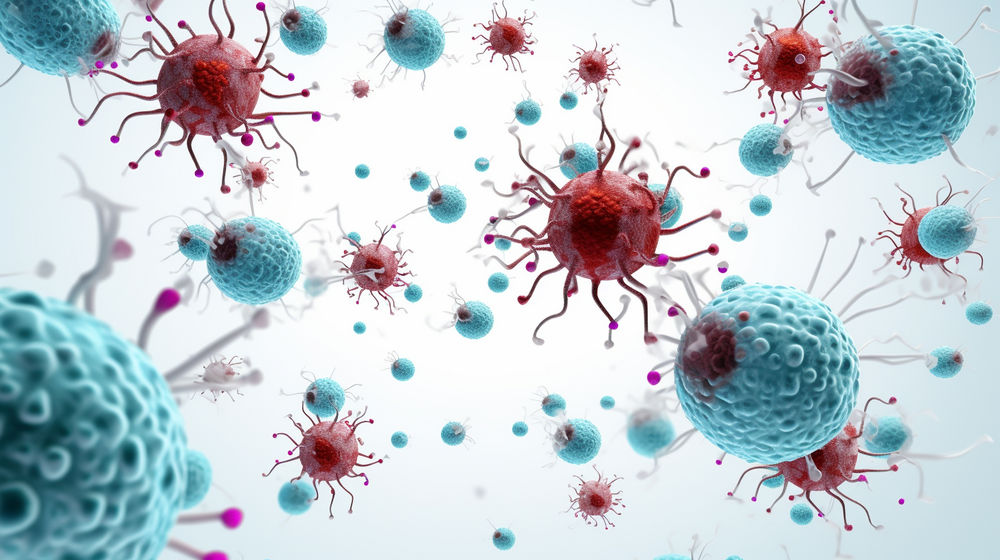
Antibodies are specialized molecules of our immune system that can specifically recognize and neutralize pathogens or foreign substances. Antibody research in biotech and pharma has recognized this natural defense potential and is working intensively to make it therapeutically useful. From monoclonal antibodies used against cancer or autoimmune diseases to antibody-drug conjugates that specifically transport drugs to disease cells - the possibilities are enormous