New method enables kidney research at record speed using 3D microscopy
Potential created for faster drug development
Advertisement


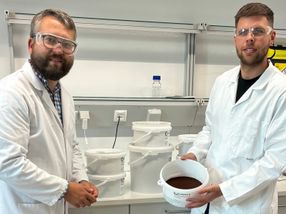
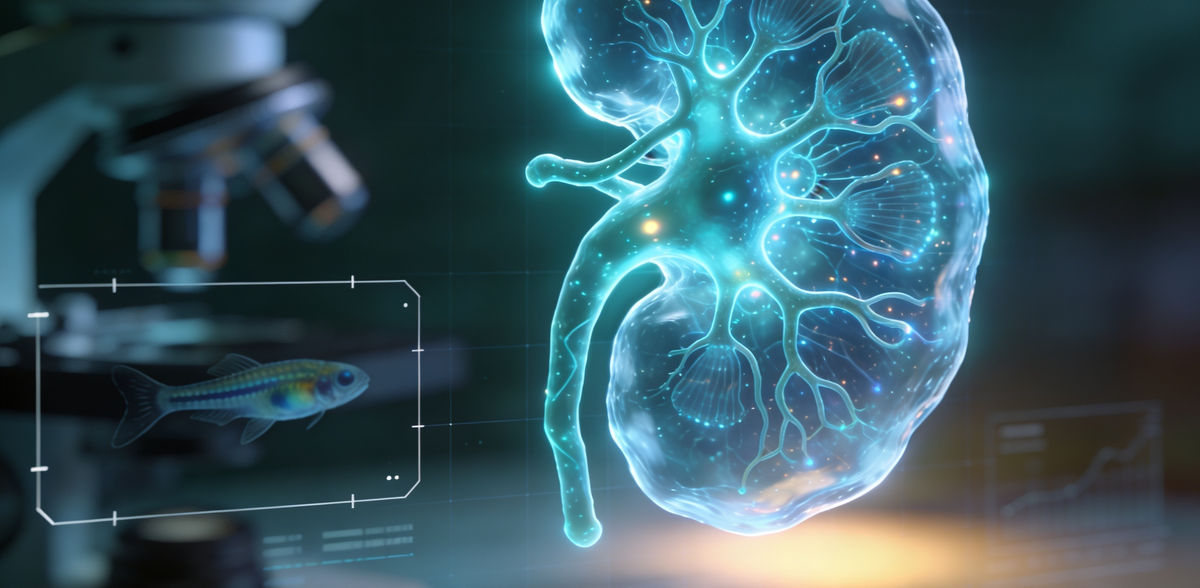
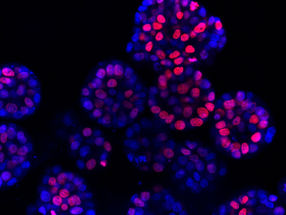
For faster development of drugs and knowledge: The PodoHealthX research team at Greifswald University Medicine has developed a method that uses 3D microscopy to provide fast and precise insights into kidney corpuscles.
The method makes it possible to isolate animal kidney corpuscles in the shortest possible time, which are then examined with the help of AI-supported image analysis. The Greifswald team from the Institute of Anatomy and Cell Biology at the University Medical Center worked closely with the Institute of Anatomy at the University of Zurich. The study has now been published in the international journal Advanced Science.
The renal corpuscle called the glomerulus is responsible for the correct filtration of blood. Podocytes form a unique barrier that determines what remains in the blood and what is excreted in the urine. The problem is that a loss of podocytes is permanent, as they cannot regenerate. The fewer podocytes there are in the renal corpuscles, the worse the kidney filters the blood. This can lead to chronic kidney disease and even complete loss of kidney function. Researcher Dr. Maximilian Schindler from Professor Nicole Endlich's PodoHealthX research team at the Institute of Anatomy and Cell Biology has now developed a method using zebrafish larvae to isolate and analyze these renal corpuscles in their entirety. "For the first time, we were able to create a complete three-dimensional model of the glomerulus, which is only 30-40 micrometers in size," says Schindler. "Using the new method called 'glomage', we can now determine the exact number of vital podocytes, for example." In this context, the research team also tested a new type of drug to prevent or stop the loss of podocytes, which proved to be particularly promising.
The new "glomage" method could also be transferred to mouse kidneys, which as mammals are more similar to the anatomy of humans than zebrafish. Previously, these findings could only be obtained either through complicated and lengthy experiments lasting around three weeks or through error-prone extrapolations. The PodoHealthX team shortened this process to two to three days. "This makes the method interesting for many research groups," says Schindler.
The work was supported by a collaboration with Professor Soeren Lienkamp from the Institute of Anatomy at the University of Zurich. "With the artificial intelligence analysis developed in the collaboration, we obtained even more precise data on the number of podocytes than before," explains Schindler. "We have now been able to show for the first time that the exact number of podocytes is significantly reduced in old mice compared to younger mice." The analysis of the renal corpuscles also revealed another discovery: "We were able to isolate highly pure RNA from the glomeruli. This means that we can not only carry out three-dimensional microscopy analyses, but also take a very specific look at what happens in the cells at a molecular level."
"Our newly developed "Glomage" method will provide us with a great deal of knowledge in a short space of time, enabling us to quickly and reliably investigate many potential drugs with regard to their effect on chronic kidney disease," says Professor Nicole Endlich, kidney researcher and Managing Director of the Institute of Anatomy and Cell Biology at Greifswald University Medical Center and last author of the study. "Basic research often takes a long time, but we are just getting off the main road and onto the highway."
Note: This article has been translated using a computer system without human intervention. LUMITOS offers these automatic translations to present a wider range of current news. Since this article has been translated with automatic translation, it is possible that it contains errors in vocabulary, syntax or grammar. The original article in German can be found here.
Original publication



Other news from the department science











These products might interest you