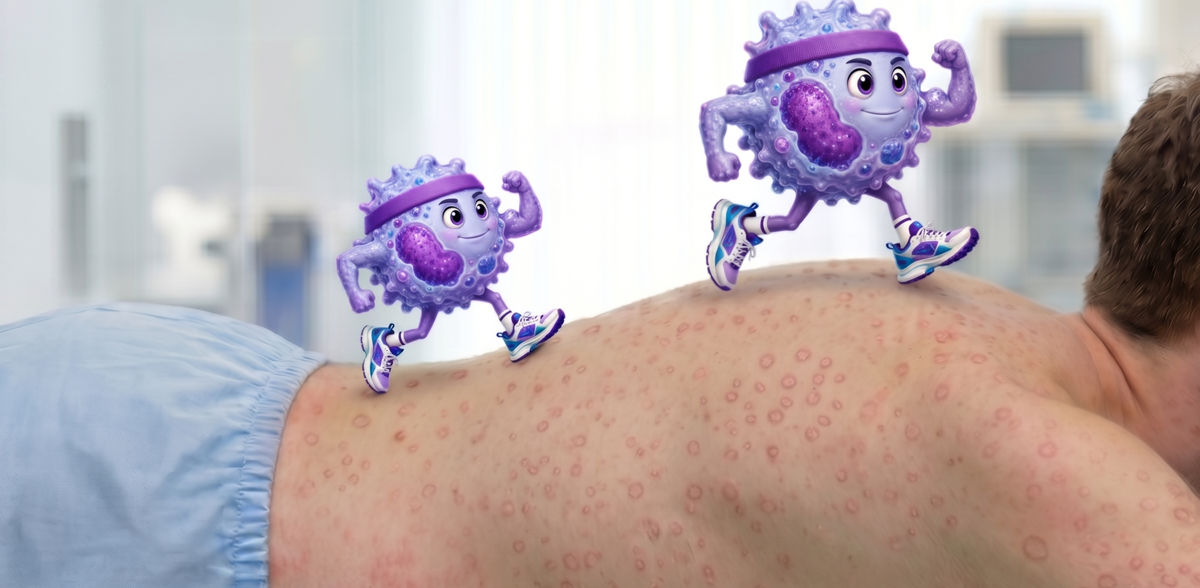
Macrophages in Marathon Mode
Macrophage metabolism identified as the key to granulomatous skin diseases
Advertisement


An international research team has succeeded in elucidating key immunological and biochemical mechanisms underlying granulomatous skin diseases. The findings, recently published in “Science Advances”, identify new therapeutic targets for these chronic inflammatory diseases.
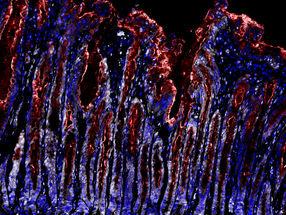
It is actually a defensive reaction: When the phagocytes produced by the immune system are unable to eliminate pathogens or other foreign material, these so-called macrophages clump together, encapsulate the foreign substances, and thus isolate them from the surrounding tissue. This process results in small nodules known as granulomas. However, granulomas can also occur in a wide range of chronic inflammatory skin conditions even in the absence of invaders or foreign material. Other organs, such as the lungs, liver, or spleen, are sometimes affected as well. What triggers the immune response in these conditions remains a mystery.
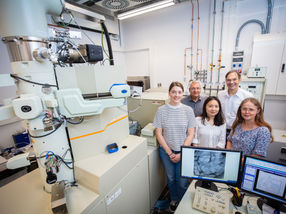
“Patients often suffer significantly—both physically and psychologically—from the extensive skin inflammation, which we can currently treat only symptomatically, as the disease mechanisms are not yet fully understood,” says Prof. Dr. Mario Fabri, director of the Department of Dermatology at Jena University Hospital. He heads a team with the University Hospitals of Cologne and Jena, in collaboration with many international partners, that has been researching granulomatosis for years.
Using two typical representatives of these diseases, the team investigated the metabolism of the immune cells involved. In granuloma annulare, a benign but chronic skin inflammation, and in cutaneous sarcoidosis, they tracked the signaling pathway of macrophage activation by interferon-gamma. The result: The signaling molecule intensifies the process of cellular respiration in macrophages—much like marathon runners, it ramps up oxygen-dependent energy production in these cells. Manuel Huerta, one of the two first authors: “For both diseases, we were also able to identify the protein GBP1 as a key player in this signaling process.”
These findings are of immediate relevance for the treatment of cutaneous granulomatosis. They support early clinical trials testing JAK inhibitors in granulomatosis to block interferon gamma signals. Moreover, the researchers reveal further therapeutical approaches in their study. In tissue cultured from patient samples, they were able to reduce granuloma formation both by inhibiting the protein GBP-1 and by using the diabetes drug metformin, which interferes with the respiratory chain. “Our research opens up new targets for causal therapy in granulomatous diseases. In particular, drug repurposing of metformin is a possible strategy,” summarizes Henning Klapproth, the other first author of the paper.
Original publication
Manuel Huerta Arana, Henning Klapproth, Michal A. Stanczak, Luisa Bopp, Karla Witschurke, Robert Seitz, Maria Lopéz Martinez, Jan Zamek, Sinika Henschke, Nisha Rana, David O’Sullivan, Joy Steinkamp, Jan-Wilm Lackmann, William Damsky, Esther von Stebut, David E. Sanin, Paola Zigrino, Ramon I. Klein Geltink, Edward J. Pearce, Erika L. Pearce, Mario Fabri; "A STAT1/ETC/GBP1 axis represents a potential therapeutic target for noncommunicable granulomatous skin disease"; Science Advances, Volume 12


Other news from the department science