Chance discovery : oxygenic photosynthesis is possible with only one photosystem
A research group at LMU led by molecular biologist Dario Leister is overturning long-held textbook wisdom
Advertisement


A scientific team at LMU has demonstrated for the first time that oxygenic photosynthesis is possible using only one photosystem. Their findings challenge one of the most fundamental concepts in biology and have now been published in Nature Communications.
Few biological principles have remained as firmly established as the idea that oxygenic photosynthesis requires two photosystems. For more than half a century, this concept has been regarded as a cornerstone of biology and has appeared virtually unchanged in textbooks worldwide. The new findings from LMU show that this long-standing principle is not universally valid.
A central dogma of biology challenged
“When a textbook paradigm collapses, it does not merely change a detail of our knowledge – it fundamentally reshapes our understanding of a biological process,” says Professor Dario Leister, Chair of Plant Molecular Biology at LMU and lead researcher of the study. “Our results reveal that nature is much more flexible than we previously believed.”

Photosynthesis supplies Earth’s atmosphere with oxygen and forms the foundation of almost all food chains. Plants, algae, and cyanobacteria convert sunlight into chemical energy through this process. According to the prevailing model, this requires the coordinated action of two large protein complexes: photosystem II and photosystem I. This concept has been regarded as a fundamental principle of biology for more than half a century.
A discovery by pure chance
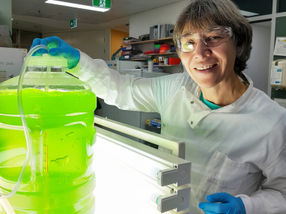
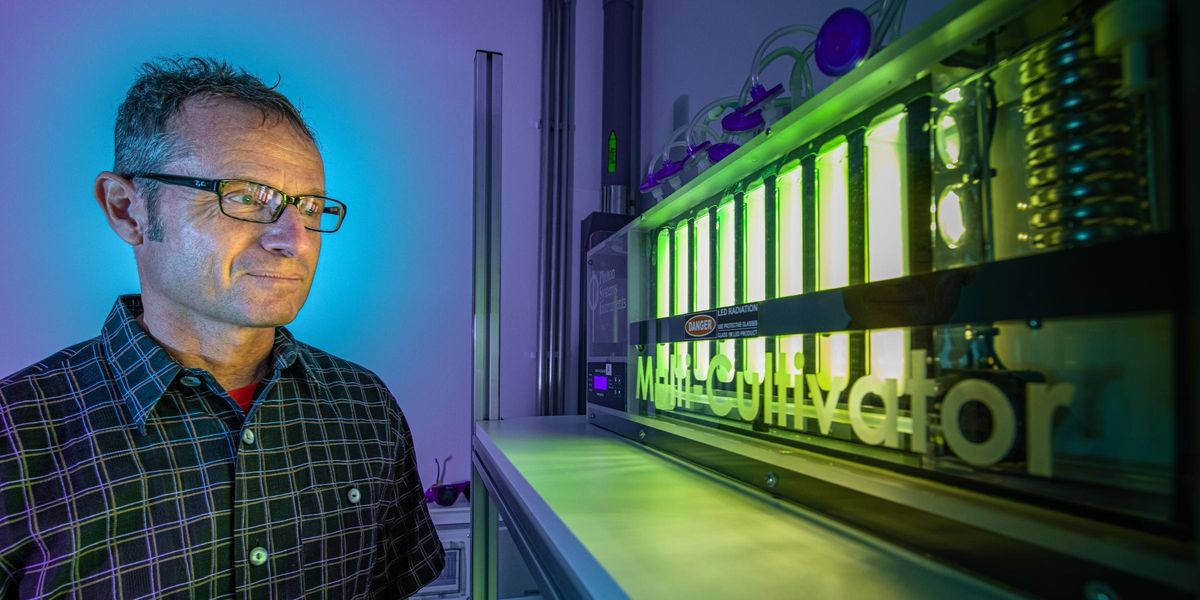
Dario Leister’s research group was not originally searching for an alternative form of photosynthesis. Their objective was to introduce a plant version of photosystem I into the cyanobacterium Synechocystis. Using a combination of genetic engineering and adaptive laboratory evolution, however, they produced organisms in which photosystem I had disappeared completely.
“We were aiming to achieve something entirely different,” says Leister. “We certainly did not expect to obtain organisms that can grow, fix carbon dioxide, and produce oxygen without photosystem I.”
Despite the absence of photosystem I, these new evolved cyanobacterial strains carry out complete oxygenic photosynthesis. Their existence overturns the long-held assumption that photosystem I is indispensable for the synthesis of the reducing agent NADPH.
An alternative route for energy conversion
The team was also identified the mechanism that enables these bacteria compensate for the missing photosystem. During adaptive evolution, the photosynthetic electron transport chain underwent extensive reorganization. A particularly steep proton gradient enables the NDH-1 complex to operate in reverse, thereby generating NADPH – a function that had previously been considered exclusive to photosystem I.
Implications far beyond photosynthesis research
According to Leister, the discovery fundamentally transforms our understanding of how oxygenic photosynthesis may have evolved and shows that even one of the best investigated processes in biology can still reveal profound surprises. Beyond opening up new insights into the evolutionary origins of oxygenic photosynthesis, the findings raise fundamental questions regarding the emergence and adaptability of photosynthetic systems. In the long term, the findings may also inspire new strategies for engineering more efficient photosynthetic organisms and developing innovative biotechnological applications.
“Our work reminds us that even firmly established textbook concepts can be overturned by new experimental evidence,” observes Leister. “This is precisely what makes fundamental research so exciting.”
Original publication



Other news from the department science