LMU Munich and Life Science Factory Join Forces to Drive Innovation in the Biotech Sector
The collaboration aims to accelerate the translation of biotechnology research and connect startups with infrastructure, networks, and expertise at an earlier stage

Advertisement


Ludwig Maximilian University of Munich (LMU) and the life science Factory Munich (LSF) have entered into a strategic partnership. The goal is to more closely integrate research, startup activities, and entrepreneurial implementation in the life sciences sector. Through this partnership, both partners aim to help biotechnological innovations move more quickly from the lab to practical application and to provide young startup teams with better access to infrastructure, networks, and support services.
Four Pillars for Greater Impact in the Ecosystem
The collaboration is structured around the following four areas: scouting, validation, networking, and visibility. The goal is to identify scientifically driven startup potential at an early stage, evaluate it jointly, connect it with relevant networks, and increase its visibility. This is intended to help researchers, startups, and partners within the ecosystem connect more effectively.
Input from the startup, investor, and industrial communities is continuously incorporated into the process. The collaboration is not intended to be a static model, but rather an open exchange process that responds to the needs of the biotech ecosystem and is designed to evolve alongside its development.

Two Strong Partners for Research and Startup Development
Ludwig Maximilian University of Munich ranks among Europe’s leading research universities. In the field of life sciences, it is a key player at the intersection of basic research and applied science. The Life Science Factory, an initiative of the life sciences group Sartorius, supports startups and science-driven founding teams by providing lab and coworking spaces, mentoring, and access to industry and investor networks. Together, the two institutions aim to combine their respective strengths to facilitate the translation of scientific findings into startups, products, and economic value creation.
“Through the collaboration between LMU and the Life Science Factory, we are creating a link between scientific excellence and entrepreneurial implementation that is crucial for the life sciences,” says Ellen Goel, Managing Director of the Life Science Factory. “We want to support researchers and startup teams with the structures they need to put their ideas into practice.” Goel herself brings international experience from Singapore to the collaboration and understands the requirements for how translation can be approached globally and effectively implemented within a local innovation ecosystem.
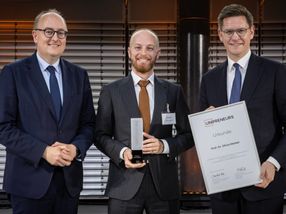
Philipp Baaske, Vice President for Entrepreneurship at LMU Munich and co-founder of NanoTemper Technologies GmbH, a leading global provider of biophysical measurement devices, adds: “The transfer of science to industry doesn’t happen by chance—it requires reliable and streamlined structures, strong networks, and close collaboration between science and entrepreneurship. Together with the Life Science Factory, we are creating exactly the ecosystem that startup teams need to turn their ideas into market-ready solutions more quickly and build the companies of tomorrow.”
Creating Structures for Translation Together
The collaboration is designed for long-term exchange. Plans include joint initiatives, networking among the respective communities, and establishing access points for researchers, startups, investors, and other partners in the biotech ecosystem. The goal is to systematically strengthen the bridge between academic research and commercial application.
Through this partnership, LMU and the Life Science Factory are making a practical contribution to translating the goals of the EU Biotech Act into concrete formats and sustainable structures. The European legal framework is intended to improve conditions for clinical trials, innovation, and scaling up, and to strengthen Europe’s competitiveness in the biotech sector.
Note: This article has been translated using a computer system without human intervention. LUMITOS offers these automatic translations to present a wider range of current news. Since this article has been translated with automatic translation, it is possible that it contains errors in vocabulary, syntax or grammar. The original article in German can be found here.



Other news from the department science












Most read news








More news from our other portals


















Something is happening in the life science industry ...
This is what true pioneering spirit looks like: Plenty of innovative start-ups are bringing fresh ideas, lifeblood and entrepreneurial spirit to change tomorrow's world for the better. Immerse yourself in the world of these young companies and take the opportunity to get in touch with the founders.