Thinking beyond antibiotics in the treatment of urinary tract infections
Advertisement


A Swiss and German research team has explored the combined use of phage and fecal microbiota therapy to treat female patients with recurrent urinary tract infections that do not respond to conventional therapies. The promising first results were published in “Nature Microbiology” and laid the foundation for a planned comprehensive clinical trial.
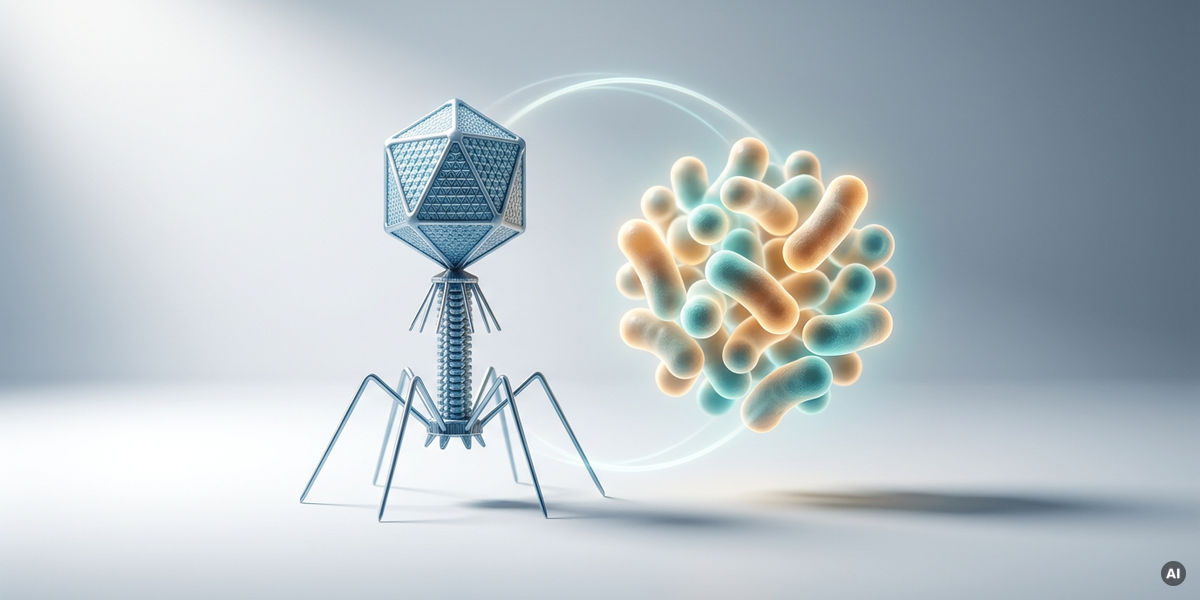
Recurrent urinary tract infections (rUTIs) are among the most common bacterial infections worldwide and primarily affect women. While antibiotics remain the standard treatment, frequent recurrences and rising antibiotic resistance highlight the need for alternative therapeutic approaches such as phage therapy. Phages are little viruses, which selectively target bacteria and effectively destroy even multi-drug resistant bacteria. Researchers from University Hospital Balgrist and University of Zurich, the University of Cologne and University Hospital Cologne, Goethe University Frankfurt and the German Center for Infection Research (DZIF) have for the first time administered a combined phage therapy (PT) with fecal microbiota transplantation (FMT) to decolonize urinary and intestinal reservoirs of rUTI patients. The results of the study “Combined Phage therapy and fecal microbiota transplantation to treat recurrent urinary tract infection: a case series” have been published in Nature Microbiology.
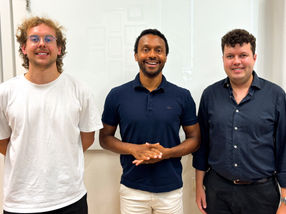
The main researchers involved in this project were medical biologist Dr Shawna McCallin and urologist Dr Lorenz Leitner at the Balgrist University Hospital in Zurich. The project also included infectious disease researchers PD Dr Lena Biehl and Dr Annika Y. Classen from University Hospital Cologne, as well as Professor Dr Maria Vehreschild from Goethe University Frankfurt. Vehreschild is the deputy coordinator of the DZIF Healthcare-Associated Infections research area, while Biehl and Classen are scientists in the same area. The DZIF strongly supported the sample analyses in the described research project.
The novel treatment approach, combining PT and elective FMT, was administered to three female patients with rUTI that did not respond to antibiotics and commonly used non-antibiotic strategies. All had microbiologically confirmed Escherichia coli (E. coli) in multiple infections. The treatments occurred between May and July 2023. All three women received PT orally and intravesically, i.e., locally applied to the bladder via catheter, for eight days outside of acute episodes at Balgrist. Two of these three patients were elected to receive subsequent FMT in Cologne. Since the bacteria causing the recurring infections often reside in the gut as well as the urinary tract, the FMT treatment targeted the intestinal reservoirs of E. coli that survive antibiotic treatment of acute infections and can become increasingly resistant.
The treatments were well tolerated and did not result in noticeable side effects. The two patients who received the combination therapy have experienced a long-term reduction of UTIs over the course of two years, while the one patient with PT only has experienced further episodes but with reduced symptoms. For all patients, quality of life improved significantly, while the need for antibiotic treatment was substantially reduced. “Three patients are not a sufficiently large sample to establish this new therapy, and control groups were lacking. However, this experience has helped to lay the foundation for a clinical trial in order to test the clinical utility of this treatment approach and make it more widely available and sustainable for patients,” comments Shawna McCallin. “While phage therapy acts to remove the pathogen, FMT aims to restore a healthy microbiome, combining both immediate and long-term effects,” Lena Biehl from University Hospital Cologne adds.
The clinical trial is scheduled to begin in June 2027 at the participating institutions as part of the REPhRAME project, which is funded by the European Commission through the Horizon Europe funding programme.
Original publication



Other news from the department science