Study by University Medical Center Mainz shows acute effects of tobacco heaters on the cardiovascular system
Advertisement


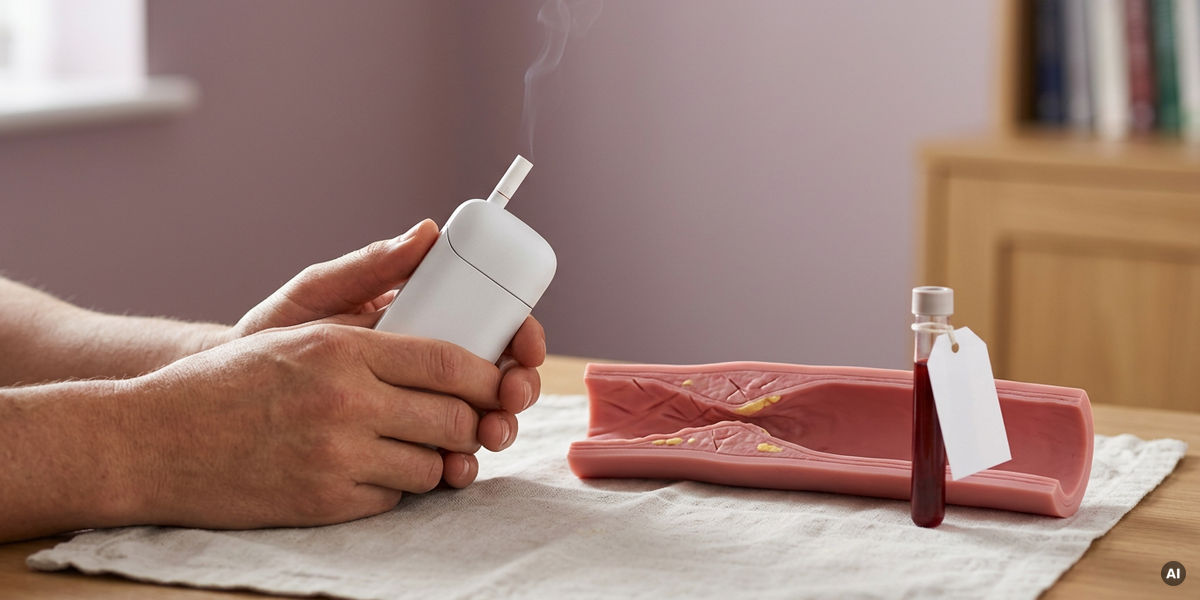
Even a single use of heated tobacco can immediately impair blood vessel function, raise blood pressure, and cause DNA damage to blood cells. This is shown by a new study led by University Medical Center Mainz. The researchers investigated the immediate effects of consuming two tobacco sticks in succession among otherwise healthy smokers. The findings challenge claims that tobacco heaters are significantly less harmful to the cardiovascular system than conventional cigarettes. The research results were published in the European Journal of Preventive Cardiology.
The use of tobacco and nicotine harm health in many ways. For example, tobacco smoke can cause various types of cancer, is responsible for up to 90 percent of all lung cancer cases, increases the risk of respiratory and cardiovascular diseases, and can shorten life expectancy by an average of five to 10 years. Heated tobacco products, which heat tobacco rather than burn it, are often marketed as a less harmful alternative to conventional cigarettes. However, independent evidence regarding their immediate health effects has been limited to date.
The new study “Cardiovascular and metabolic acute effects of heated tobacco products in healthy smokers” demonstrated the immediate effects that occurred after just a single use of heated tobacco. “Our results show that acute exposure was sufficient to trigger vascular dysfunction, metabolic disorders, and genetic damage in otherwise healthy smokers,” says Dr. Lea Strohm, study lead and a research fellow at the Department of Cardiology at University Medical Center Mainz. “The study thus challenges claims that heated tobacco products are less harmful to the cardiovascular system than conventional cigarettes.”
Thirty healthy adult smokers participated in the study. The participants provided blood samples, had their blood pressure measured, and underwent an ultrasound examination of their blood vessels. They then consumed two tobacco sticks using a tobacco heating device. Afterward, the researchers repeated the examinations and compared the results with the baseline values. Following this one-time consumption phase, the participants’ blood pressure rose, their blood vessels became less elastic, and oxygen saturation in the veins dropped from 71 to 46 percent. In addition, the researchers found DNA damage in blood cells as well as evidence of oxidative stress. This is a condition in which cells increasingly activate defense responses in reaction to damaging processes. According to the researchers, larger long-term studies are needed to investigate how long these observed effects last.
Although heated tobacco produces fewer combustion byproducts, the nicotine consumed still damages the inner lining of blood vessels, raises blood pressure, and promotes atherosclerosis, explains co-author Univ.-Prof. Dr. Thomas Münzel, senior professor at the Department of Cardiology at University Medical Center Mainz. “No nicotine-containing product – whether smoked, heated, vaporized, or absorbed – can be considered safe for the heart and blood vessels,” says Thomas Münzel. The study authors therefore advocate for the inclusion of all nicotine-containing products in health policy, as well as for a uniform regulatory framework for all nicotine products. Thomas Münzel includes among these measures flavor restrictions, advertising bans, and smoking bans that apply to all products.


Other news from the department science