New cell therapy aims to provide targeted protection for transplanted organs
Localised immunosuppression
Advertisement


A heart or lung transplant can save lives. However, to prevent the body from rejecting the donor organ, patients must take medication that suppresses the immune system for the rest of their lives. These immunosuppressants are effective, but they do not provide reliable protection against chronic organ rejection and can cause significant side effects. With the aim of enabling children in particular who have undergone a heart or lung transplant to benefit from reduced immunosuppression and longer-lasting organ function in future, a research team at Hannover Medical School (MHH) is developing a bespoke cell therapy as part of the ‘AgEndo’ project.
Rather than suppressing the immune system across the board, the aim is for the body’s own immune cells – known as regulatory T cells (Tregs) – to provide targeted protection for the transplanted organ, thereby reducing the need for immunosuppressive therapy and ensuring longer organ function. This is intended to improve the lives of the children affected and their families. The State of Lower Saxony and the Volkswagen Foundation are funding the project with around 2.4 million euros over three years.
Localised immunosuppression
Tregs are part of our immune system’s natural control mechanisms. As counterparts to effector T cells, they bring immune responses to an end once infections have been overcome. They also play a key role in preventing autoimmune diseases – that is, when the immune system turns against the body’s own tissues. Tregs are produced in the thymus, which lies above the heart. In many paediatric heart surgery procedures, a small section of the thymus must be removed to gain access to the heart. Researchers extract the Tregs from this tissue sample, which they then select and multiply in the laboratory, preparing them to specifically recognise the donor organ. As they originate from the organ recipient’s own body, they are particularly well tolerated.
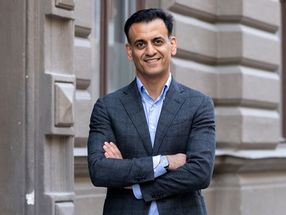
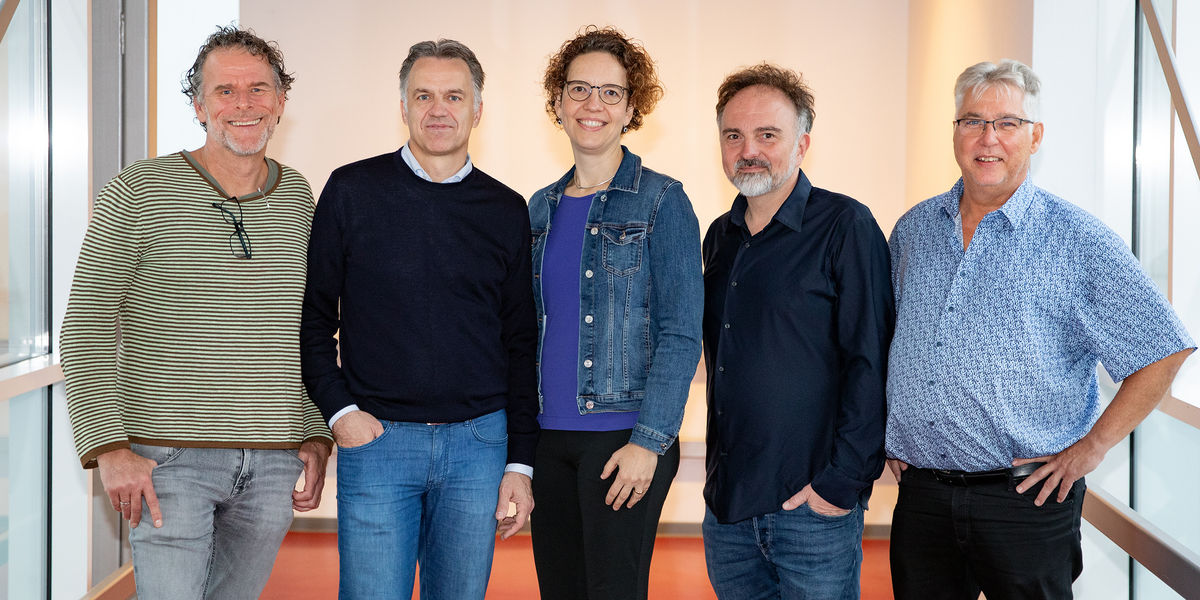
“We encourage these tailor-made Tregs to settle in the transplanted organ. With our AgEndo project, we are therefore pursuing an approach that uses the body’s own cells to protect the organ from immune reactions directed against the transplant, rather than suppressing the immune system across the board,” explains Privatdozent (PD) Dr. Fatih Noyan from the MHH Department of Gastroenterology, Hepatology, Infectious Diseases and Endocrinology and researcher at the German Centre for Lung Research (DZL) in Hanover, BREATH. He initiated the project together with PD Dr. Alexander Horke from the MHH Department of Cardiac, Thoracic, Transplant and Vascular Surgery. In addition to PD Dr. Noyan and PD Dr. Horke, the application team includes PD Dr. Sybille Landwehr-Kenzel, PD Dr. Nikolaus Schwerk and Prof. Dr. Martin Böhne.
A better quality of life for children and their families
“Donor-specific regulatory T cells have the potential to revolutionise transplant medicine. They promise a reduced need for immunotherapy and longer organ survival. For the children affected and their families, this means fewer side effects, fewer hospital stays and a more carefree everyday life,” says PD Dr. Horke, explaining the vision behind AgEndo. The results are intended to lay the foundations for clinical trials involving the Tregs that have been developed. In the long term, this approach could also be used in other organ transplants, for autoimmune diseases, and for graft- versus-host disease – an immunological reaction in which donor T-cells attack the recipient following a bone marrow or stem cell transplant.
The MHH is Germany’s largest transplant centre. Between 300 and 400 organs are transplanted at the MHH every year. Organ recipients include people of all ages – from infants to the elderly. However, there are far more people on the waiting list for a donor organ than there are organs available. In Germany alone, around 8,200 people are currently waiting for donor organs – particularly kidneys, hearts, livers and lungs.


Other news from the department science