Visugromab Overcomes Resistance to Cancer Immunotherapy
Antibody Shows Long-Lasting Remissions After Failure of Established Cancer Immunotherapies
Advertisement


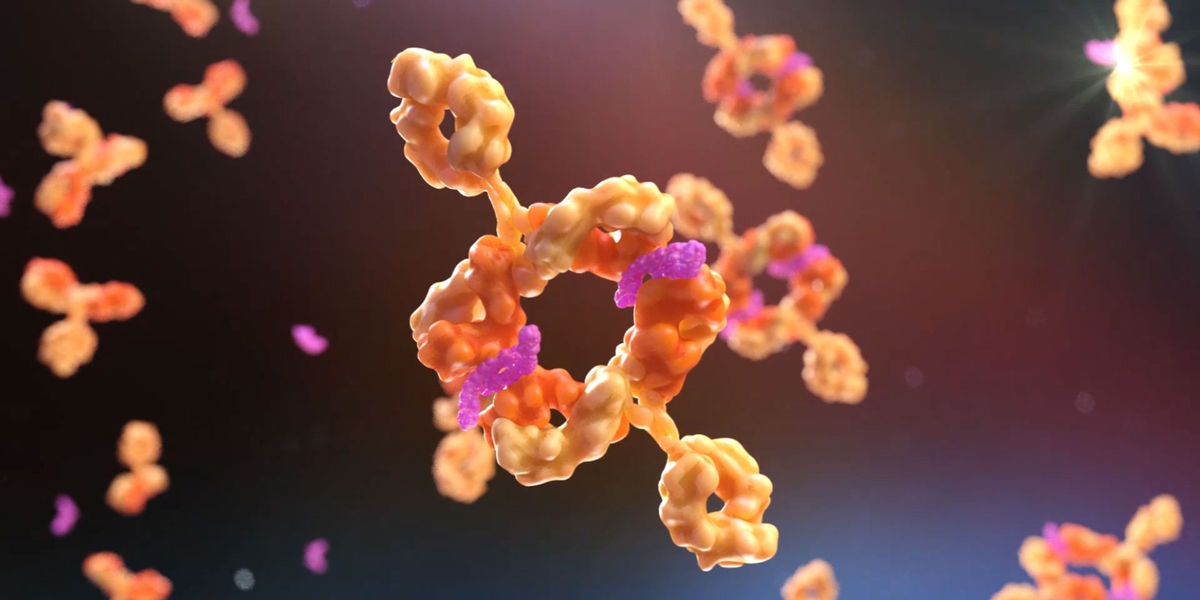
Tumors can outsmart the immune system by producing the surface protein PD-L1. When this protein binds to the PD-1 receptor on T cells, it inhibits the T cells’ attack on the tumor. Modern immunotherapies release this brake, thereby reactivating the body’s own cancer defense mechanisms. Nevertheless, many patients do not respond adequately to this treatment. One reason for this is the presence of additional immunosuppressive mechanisms, such as the signaling molecule GDF-15, which is produced by many tumors. The tumor immunology research group led by Prof. Dr. Jörg Wischhusen at the Würzburg Women’s Hospital, in collaboration with its spin-off CatalYm, was able to demonstrate in preclinical models that blocking GDF-15 can significantly enhance the efficacy of established immunotherapies. Visugromab, an antibody developed in Würzburg, has now achieved long-lasting tumor remissions in an international Phase I/II trial among patients in whom established immune checkpoint therapies had previously failed. The long-term data from the so-called GDFATHER 01 study were published in the renowned Journal of Hematology & oncology.
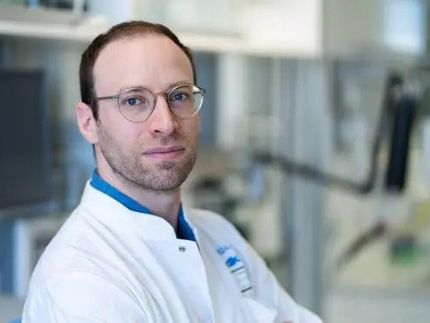
“For the first time on a large clinical scale, we are seeing that the targeted blockade of GDF-15 is effective in a patient group for which there have been virtually no convincing treatment options to date,” comments Jörg Wischhusen. “The fact that many of these remissions remain stable for years is a very strong signal from the perspective of a tumor immunologist.”
In the Phase I/II trial, visugromab was used in combination with the PD-1 inhibitor nivolumab in heavily pretreated patients with non-small cell lung cancer, urothelial carcinoma, and liver cancer. All study participants had previously shown no response or only a temporary response to anti-PD-1 or anti-PD-L1 immunotherapy (anti-PD-(L)1 relapse or refractory).
Exceptional Efficacy Despite Resistance to Immunotherapy
The combination of visugromab (10 mg/kg) and nivolumab (240 mg), administered every two weeks until disease progression or intolerance, demonstrated promising efficacy. Objective response rates ranged from approximately 14 to 19 percent across all three tumor types studied. Particularly noteworthy was the median duration of response of 28.8 months, which was more than twice as long as the 12.0 months observed with the original standard immunotherapy. In addition, 61.5 percent of patients who responded to treatment achieved complete radiological or metabolic remission. Seven of the eight complete remissions were still ongoing at the time of the analysis.
“For a cohort with such a heavy prior treatment history—defined as refractory to immunotherapy—the depth and duration of the observed remissions are exceptional,” reports Dr. Maria Elisabeth Goebeler, director of the Early Clinical Trial Unit (ECTU) at the Comprehensive Cancer Center and Medical Clinic II at UKW, where the patients were treated. “The fact that many of these remissions have persisted for more than two years and are often more pronounced than the initial response to the first immunotherapy strongly suggests a genuine overcoming of resistance mechanisms.”
International Study Paves the Way for Further Clinical Development
The GDFATHER-01 study was conducted at multiple centers in Spain, Germany, Switzerland, and Italy. In addition to the Würzburg research group, Prof. Dr. Ralf Bargou (Chair of Translational Oncology at UKW and Director of the Comprehensive Cancer Center Mainfranken) on the Advisory Board, the international coordinating principal investigator Prof. Ignacio Melero (Pamplona/Oxford), and Prof. Dr. Eugen Leo, then Chief Medical Officer of the company CatalYm. Leo considers, in particular, the long duration of remissions and the favorable safety profile to be an important foundation for further clinical development.
The development of visugromab is already continuing in further studies, such as in first-line therapy for non-small cell lung cancer and as neoadjuvant therapy for muscle-invasive bladder cancer (GDFATHER NEO). Preliminary data suggest that the combination with nivolumab can significantly increase response rates and the frequency of pathological complete remissions, even in patients who have not previously received immunotherapy. In addition, a cachexia study is being prepared at the UKW. Here, visugromab will be used to treat uncontrolled weight loss and muscle wasting, which frequently occur as comorbidities of cancer.
Translational Immuno-Oncology from Würzburg
The development of visugromab and the significant involvement in its clinical trial exemplify the strength of translational immuno-oncology in Würzburg. Here, findings from basic research are consistently translated into new therapeutic approaches and rapidly translated into clinical trials.
Prof. Dr. Hermann Einsele, Director of Medical Clinic II and Spokesperson for the National Center for Tumor Diseases (NCT WERA), summarizes: “The results now published exemplify how a basic science idea in Würzburg can give rise to an international clinical development program. For our patients, this opens up additional long-term treatment options in situations where conventional immunotherapies have so far reached their limits.”
Note: This article has been translated using a computer system without human intervention. LUMITOS offers these automatic translations to present a wider range of current news. Since this article has been translated with automatic translation, it is possible that it contains errors in vocabulary, syntax or grammar. The original article in German can be found here.
Original publication


Other news from the department science






Most read news








More news from our other portals









Something is happening in the life science industry ...
This is what true pioneering spirit looks like: Plenty of innovative start-ups are bringing fresh ideas, lifeblood and entrepreneurial spirit to change tomorrow's world for the better. Immerse yourself in the world of these young companies and take the opportunity to get in touch with the founders.