Already approved drug is effective against aggressive brain tumors
Heidelberg researchers tested 107 cancer drugs on mini-tumors
Advertisement


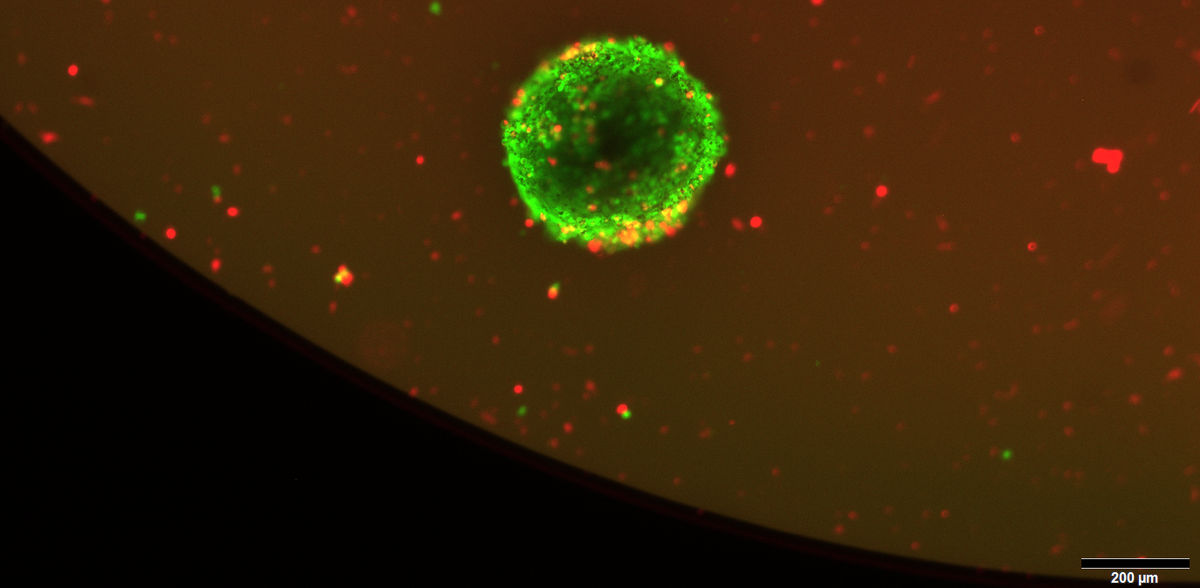
meningiomas are the most common tumors of the brain. Up to now, only two methods have usually been considered to combat them: surgery and radiotherapy. A research team from Heidelberg has now developed a possible new approach for effective systemic therapy. Its members from the Heidelberg Medical Faculty at Heidelberg University and Heidelberg University Hospital (UKHD) tested the effectiveness of drugs against meningiomas. Among other things, they used so-called organoids, mini-tumors created in the laboratory whose cell composition corresponded almost exactly to patient tumors. They discovered that the drug panobinostat can be effective against aggressive meningiomas. In the event that the tumor becomes resistant to the drug, the researchers also found a remedy by specifically inhibiting the enzyme HDAC8.
The researchers' aim was to develop a new therapeutic approach against meningiomas and thus close a gap in the available treatment methods. As a first step, they used meningioma cell lines, some of which they developed in their own laboratory. Cell lines are cells taken from the brain tumor that are multiplied in the laboratory over the long term. In a screening of 107 different cancer drugs, the researchers were able to identify nine promising inhibitors.
Organoids reproduce real tumors almost identically
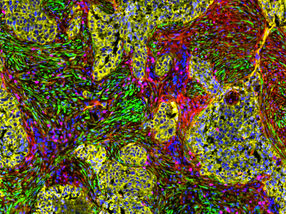
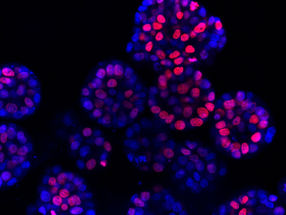
In a second step, the team tested the nine most potentially effective drugs using standardized organoid models that reproduce real tumours almost identically in the laboratory. "These mini-tumors are short-term systems that precisely reflect the cellular complexity of the patient's tumor. Among other things, they also contain non-tumor cells that occur in the real meningioma and can have an influence on drug efficacy. They also match the genetic changes and characteristic gene activity," explains Prof. Dr. Christel Herold-Mende, who heads the Neurosurgical Research Section at Heidelberg University Hospital.
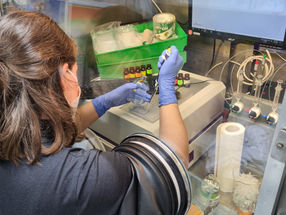
Her working group has standardized the procedure for testing drugs with the HeiDePEx platform. Using HeiDePEx, drugs can be tested on the organoid within a few days: after the surgical team at Heidelberg University Hospital's Department of Neurosurgery, led by Medical Director Prof. Dr. Sandro Krieg, has removed a tumor, it is broken down into individual cells in the laboratory. These reassemble in a nutrient fluid and form mini-tumors, which takes around three days. The drug is then added and after another three days the result is available as to whether the mini-tumor has been effectively combated.
Largest organoid cohort in meningiomas takes tumor differences into account
In this way, the research team tested the nine inhibitors on organoids whose cells came from tumors of 60 people suffering from a meningioma. "We used the largest organoid cohort ever investigated in this tumor entity in order to cover as much heterogeneity as possible, i.e. different histological and molecular characteristics or even differently aggressive forms," emphasizes Dr. Gerhard Jungwirth, first author of the study.
This effort paid off: in the histone deacetylase inhibitor "Panobinostat", the researchers found a drug that apparently achieved an effective concentration in the majority of the organoids tested. Histone deacetylases are special enzymes in human cells. Together with other proteins, the biocatalysts, abbreviated as "HDACs", influence which areas of the DNA are activated. The HDAC inhibitor panobinostat prevents tumor cells from multiplying and thus combats the meningioma. The active substance has already been approved in combination with other drugs for the treatment of multiple myeloma, a malignant disease of the blood-forming bone marrow. The authors of the study therefore see panobinostat as a possible therapeutic approach that should be further examined and evaluated.
Resistance and counter-mechanism described
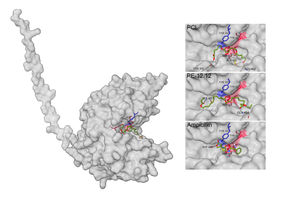
The authors of the study took two further steps. On the one hand, the researchers describe how mini-tumors became resistant to panobinostat over time - the drug lost its effectiveness. They examined resistant samples and found that the enzyme HDAC8 and certain signaling pathways were increased. If HDAC8 was downregulated, panobinostat became more effective - resistance could be averted.
Note: This article has been translated using a computer system without human intervention. LUMITOS offers these automatic translations to present a wider range of current news. Since this article has been translated with automatic translation, it is possible that it contains errors in vocabulary, syntax or grammar. The original article in German can be found here.
Original publication
Gerhard Jungwirth, Junguo Cao, Yimin Pan, Rolf Warta, Catharina Lotsch, ... Andreas von Deimling, Juergen Debus, Amir Abdollahi, Andreas Unterberg, Felix Sahm, Christel Herold-Mende; "Drug screening on tumor organoids exposes therapeutic vulnerabilities of meningiomas to HDAC1/2i panobinostat"; Science Translational Medicine, Volume 18


Other news from the department science