Extending organ viability with marine biology
French marine biologist selected as finalist for the European Inventor Award 2026
Advertisement


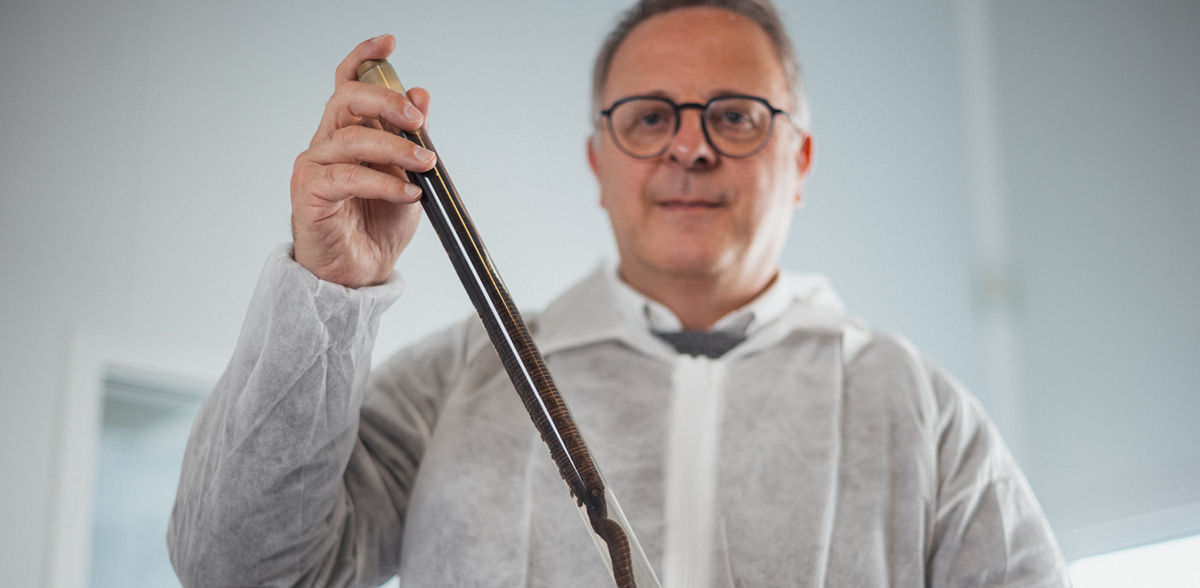
According to the European Directorate for the Quality of Medicines & HealthCare, more than 90 000 people were awaiting an organ transplant at the end of 2024 throughout the Council of Europe member states. One of the key challenges is preserving organs outside the body, where oxygen deprivation during storage and transport can cause irreversible damage. Franck Zal has developed a novel solution inspired by marine biology: a universal oxygen carrier derived from the haemoglobin of marine worms, designed to protect organs and tissues during preservation and preparation for transplant. For this work, the marine biologist has been selected as a finalist in the ‘SMEs’ category of the European Inventor Award 2026 by an independent jury.
Using marine haemoglobin to deliver oxygen
During transplantation, organs experience periods of oxygen deprivation followed by sudden reoxygenation, which can cause cellular damage and increase the risk of failure. Conventional preservation methods often struggle to deliver oxygen evenly without triggering adverse reactions.
Zal’s solution is based on an extracellular haemoglobin molecule derived from the marine worm Arenicola marina, a species adapted to survive prolonged periods without oxygen. Unlike human haemoglobin, the molecule circulates freely and can transport large quantities of oxygen, without triggering vasoconstriction and limiting oxidative stress. This helps protect organs and tissues during storage and transport, extending their viability for transplantation.
“Our technology comes from nature. This haemoglobin molecule is the ancestor of your red blood cell, of all the living species on Earth. That's why our technology must also protect nature.” said Zal.
Bringing marine biology into transplant medicine
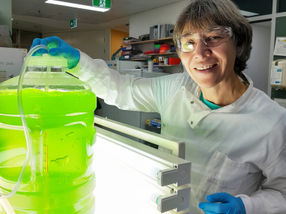
Zal’s work originated in marine biology research at the National Centre for Scientific Research (CNRS, France), where he studied organisms adapted to extreme environments. Convinced of the medical potential of marine haemoglobin, he left academia to found the biotechnology company Hemarina.
Rather than harvesting wild organisms, Hemarina breeds marine worms in a controlled aquaculture facility in France, ensuring full traceability and compliance with medical standards. The company’s oxygen carrier has since been applied in organ preservation - including kidneys and lungs - and it is being explored for use in other medical fields, including regenerative medicine and cell therapy.
“For me, research must serve society. A patient that had lived three months without a face once said to me that the worm saved his life and just added: ‘Life is beautiful.’ And I carry that sentence with me,” said Zal.
Franck Zal is one of three finalists in the ‘SMEs’ category of the European Inventor Award 2026. The other ‘SMEs’ finalists are Polish inventor Przemek Ben Paczek and team for a magnetic levitation system to upgrade railways and Czech engineer Jan Čmelík and team for their needle-free electrospinning technology to scale nanofibre production. The European Patent Office will announce the winners during a livestreamed ceremony from Berlin on 2 July 2026. In addition to these categories, the Popular Prize will be decided through a combined vote by the public and the independent jury. Public voting opens on 12 May 2026 and will be running until the ceremony on 2 July 2026.


Other news from the department science