Genmab Announces Preliminary Results in Phase II Study of Daratumumab in Double Refractory Multiple Myeloma
Advertisement


Genmab A/S announced preliminary results from the Phase II study of daratumumab in double refractory multiple myeloma conducted by its collaboration partner Janssen Biotech, Inc. (Janssen). The overall response rate (ORR) in the study was 29.2% in the 16 mg/kg dosing group and the median duration of response was 7.4 months as determined by an Independent Review Committee (IRC). The study evaluated multiple myeloma patients who have received at least three different lines of therapy including both a proteasome inhibitor and an immunomodulatory agent (IMiD) or who are double refractory to a proteasome inhibitor and an IMiD. This is the indication for which daratumumab was granted Breakthrough Therapy Designation from the FDA in May 2013.
Daratumumab showed a manageable safety profile. The data will be discussed with health authorities at upcoming meetings, pending their agreement.


Other news from the department research and development












Most read news









More news from our other portals




















See the theme worlds for related content
Topic world Antibodies
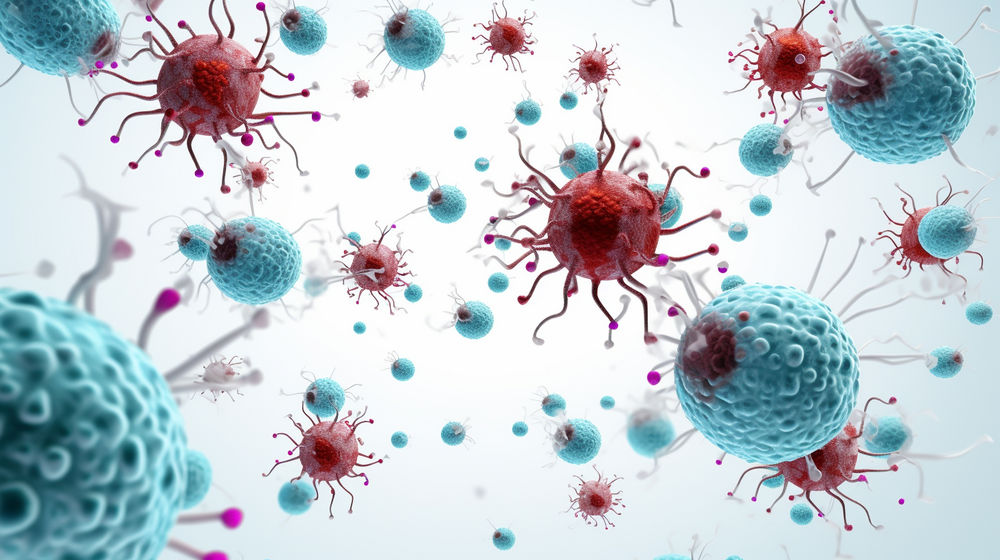
Antibodies are specialized molecules of our immune system that can specifically recognize and neutralize pathogens or foreign substances. Antibody research in biotech and pharma has recognized this natural defense potential and is working intensively to make it therapeutically useful. From monoclonal antibodies used against cancer or autoimmune diseases to antibody-drug conjugates that specifically transport drugs to disease cells - the possibilities are enormous
Topic world Antibodies
Antibodies are specialized molecules of our immune system that can specifically recognize and neutralize pathogens or foreign substances. Antibody research in biotech and pharma has recognized this natural defense potential and is working intensively to make it therapeutically useful. From monoclonal antibodies used against cancer or autoimmune diseases to antibody-drug conjugates that specifically transport drugs to disease cells - the possibilities are enormous