Surrey builds AI to find anti-ageing chemical compounds

27-Jul-2021 - United Kingdom

The University of Surrey has built an artificial intelligence (AI) model that identifies chemical compounds that promote healthy ageing - paving the way towards pharmaceutical innovations that extend a person's lifespan.

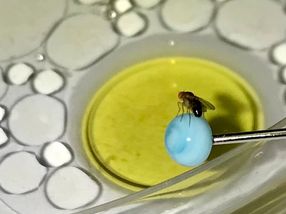
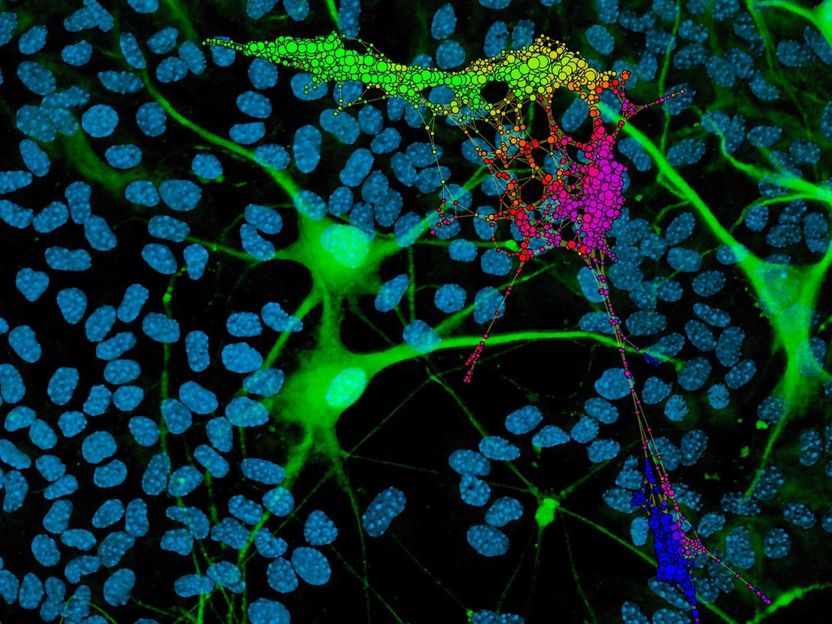
Photo by Matthew Bennett on Unsplash

In a paper published by Nature Communication's Scientific Reports, a team of chemists from Surrey built a machine learning model based on the information from the DrugAge database to predict whether a compound can extend the life of Caenorhabditis elegans - a translucent worm that shares a similar metabolism to humans. The worm's shorter lifespan gave the researchers the opportunity to see the impact of the chemical compounds.

The AI singled out three compounds that have an 80 per cent chance of increasing the lifespan of elegans:
  • flavonoids (anti-oxidant pigments found in plants that promote cardiovascular health),

  • fatty acids (such as omega 3), and

  • Organooxygens (compounds that contain carbon to oxygen bonds, such as alcohol).

  • Sofia Kapsiani, co-author of the study and final year undergraduate student at the University of Surrey, said:

    "Ageing is increasingly being recognised as a set of diseases in modern medicine, and we can apply the tools of the digital world, such as AI, to help slow down or protect against ageing and age-related diseases. Our study demonstrates the revolutionary ability of AI to aid the identification of compounds with anti-ageing properties."

    Dr Brendan Howlin, lead author of the study and Senior Lecturer in Computational Chemistry at the University of Surrey, said:

    "This research shows the power and potential of AI, which is a speciality of the University of Surrey, to drive significant benefits in human health."
    Other news from the department science

    Most read news

    More news from our other portals

    So close that even
    molecules turn red...

    Last viewed contents

    New biotech venture PHIOGEN to tackle the global threat of antimicrobial resistance - By optimizing nature’s defenders, the team has produced unprecedented phage treatments

    New biotech venture PHIOGEN to tackle the global threat of antimicrobial resistance - By optimizing nature’s defenders, the team has produced unprecedented phage treatments

    Sucessful Spin-Out of ImevaX GmbH from the Technische Universität München

    Pall to Open Latest Life Sciences Centre of Excellence in Portsmouth

    Clavis Pharma: Phase II trial demonstrates Elacytarabine may increase survival threefold in patients with late-stage leukaemia

    Merck Intends to Submit Cladribine Tablets to Treat Multiple Sclerosis for Registration in Europe - Decision based on data available from the Cladribine Tablets clinical program and performed analyses

    Siemens and Zeta drive forward the digital transformation of pharmaceutical processes worldwide - Strategic partnership

    Siemens and Zeta drive forward the digital transformation of pharmaceutical processes worldwide - Strategic partnership

    VIB and UGent researchers identify key mechanisms of cell division in plants - New technology can be applied to boost crop yields

    Cornell researchers make synthetic DNA 'barcodes' to tag pathogens, providing an inexpensive, off-the-shelf monitoring system

    Jennerex Completes Patient Enrollment in Phase 1 Trial for Intravenous Administration of JX-594

    Lab21 secures European and USA patents for HCV drug resistance genotyping

    From smoky skies to a green horizon: Scientists convert fire-risk wood waste into biofuel - A simplified new process transforms wood waste from agriculture and forest management into ethanol

    From smoky skies to a green horizon: Scientists convert fire-risk wood waste into biofuel - A simplified new process transforms wood waste from agriculture and forest management into ethanol