MorphoSys's AbD Serotec Expands Antibody License Agreement with Medical Research Council
Advertisement


MorphoSys AG announced that its business unit AbD Serotec has significantly expanded its license agreement with MRC Technology (MRCT), the technology transfer arm of Great Britain's Medical Research Council (MRC). The agreement, which provides AbD Serotec with access to a broad range of hybridoma cell lines as a source of research antibodies, is extended for a further five years, and includes additional products which will be implemented in AbD Serotec's offering. Financial details of the agreement were not disclosed.
"Our long-lasting relationship with the Medical Research Council as a source of research antibodies has led to a large number of innovative products for our costumers," commented Dr. Simon Moroney, Chief Executive Officer of MorphoSys AG. "Sales on all products from this license agreement are of significant value for AbD Serotec, and to be able to continue this long-term relationship with one of the most influential research organizations in Great Britain is thus of significant value for the entire MorphoSys Group."


Other news from the department business & finance












Most read news









More news from our other portals













See the theme worlds for related content
Topic world Antibodies
Antibodies are specialized molecules of our immune system that can specifically recognize and neutralize pathogens or foreign substances. Antibody research in biotech and pharma has recognized this natural defense potential and is working intensively to make it therapeutically useful. From monoclonal antibodies used against cancer or autoimmune diseases to antibody-drug conjugates that specifically transport drugs to disease cells - the possibilities are enormous
Topic world Antibodies
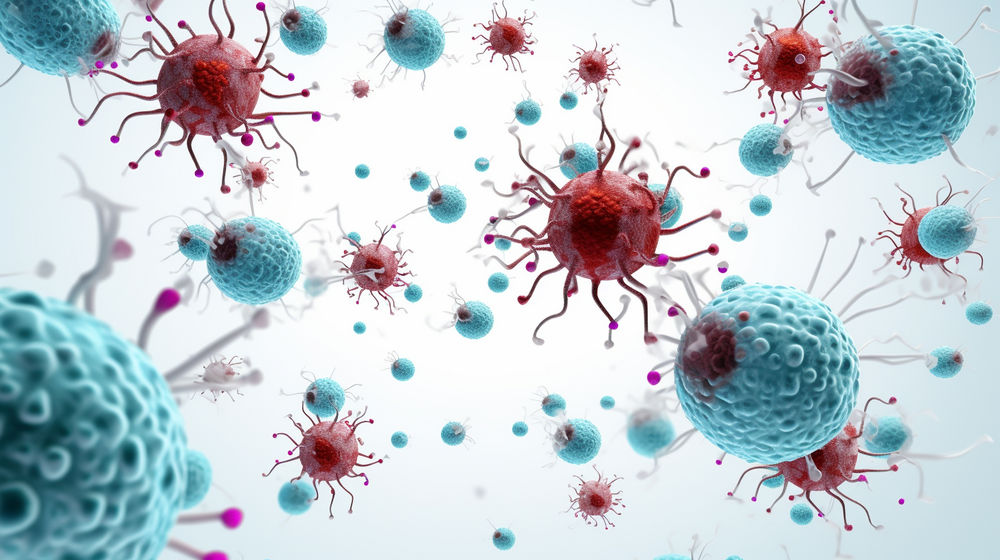
Antibodies are specialized molecules of our immune system that can specifically recognize and neutralize pathogens or foreign substances. Antibody research in biotech and pharma has recognized this natural defense potential and is working intensively to make it therapeutically useful. From monoclonal antibodies used against cancer or autoimmune diseases to antibody-drug conjugates that specifically transport drugs to disease cells - the possibilities are enormous