New method to detect key indicator of heart diseases
New dye is more effective in detecting, measuring unique lipid in cell membranes
Advertisement


A team that includes Dartmouth College researchers has discovered a new way to detect cardiolipin, a key indicator of heart diseases and some genetic disorders.
The results, which appear in the journal Analytical Chemistry, may eventually help to diagnose these conditions earlier on and to provide real-time monitoring of cardiolipin levels.
Cardiolipin is a unique lipid of mitochondria, the cell structures that generate energy. Cardiolipin is important for mitochondrial function in both respiration and apoptosis (programmed cell death). This lipid is an important indicator for cardiac diseases, Barth syndrome and Tangier disease and has been linked to neurodegenerative diseases, HIV and cancers.
Scientific interest in cardiolipin has grown dramatically in the recent years because of the critical role of this lipid in apoptosis and its potential in medical diagnosis. But routine cardiolipin analysis has had to rely on 10-nonyl acridine orange (NAO), the only dye available for cardiolipin detection. The dye, however, has many drawbacks in terms of selectivity and sensitivity.
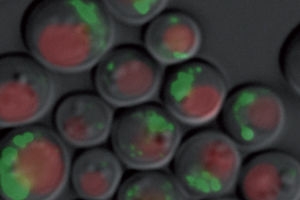
In their new study, researchers report a new fluorescent compound, TTAPE-Me, that acts as a turn-on sensor for cardiolipin, helping to detect it and determine its amount more effectively than NAO.


Other news from the department science