Breakthrough in the Treatment of High-Risk Childhood Leukemia
Immunotherapy significantly reduces relapses and minimizes the severe side effects of chemotherapy
Advertisement


Children with a particularly high-risk form of acute lymphoblastic leukemia and a high risk of relapse now have significantly better chances of a cure: In a large international study, part of the previously established intensive chemotherapy regimen was replaced with Immunotherapy, which harnesses the body’s own immune cells to fight the leukemia. As a result, the number of relapses fell by nearly half, while the incidence of severe side effects decreased significantly. The study, funded by German Cancer Aid with approximately 4.2 million euros, was led by the Department of Pediatric Oncology and Rheumatology at the University Medical Center Schleswig-Holstein (UKSH), Kiel Campus. The results have now been published in the New England Journal of Medicine (NEJM), one of the world’s most renowned medical journals.
Acute lymphoblastic leukemia (ALL) is the most common form of cancer among children and adolescents. In Germany, approximately 550 to 600 children and adolescents under the age of 18 are newly diagnosed with the disease each year. With intensive chemotherapy, about 90 percent of affected children can now be cured in the long term. However, about one in five children with ALL belongs to the high-risk group. For these patients, the risk of the disease returning is very high. As a result, they have traditionally received particularly intensive chemotherapy. This is intended to prevent relapses but can cause severe and, in some cases, life-threatening side effects.
Relapses Nearly Halved
In the recently published study, the international research team demonstrated that replacing two high-intensity chemotherapy regimens with two cycles of immunotherapy using blinatumomab reduces the number of disease relapses by nearly half. At the same time, significantly fewer severe side effects occur.
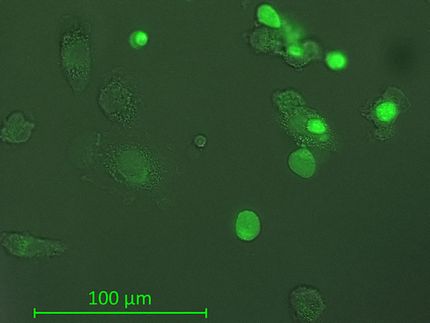
Blinatumomab harnesses the body’s own immune system to fight leukemia. The active ingredient specifically brings the body’s immune cells—known as T cells—into contact with leukemia cells. This enables the immune cells to better recognize and destroy the cancer cells.
More than 100 study centers in eight countries participated in the study, which was led by the ALL-BFM Study Center (Acute Lymphoblastic Leukemia Berlin-Frankfurt-Münster) at the Department of Pediatric Oncology and Rheumatology at the UKSH, Kiel Campus. Some of the children received the best standard therapy available to date. For the other children, two particularly intensive cycles of chemotherapy were replaced with blinatumomab. Assignment to the groups was done randomly (randomization).
Immunotherapy Opens New Horizons
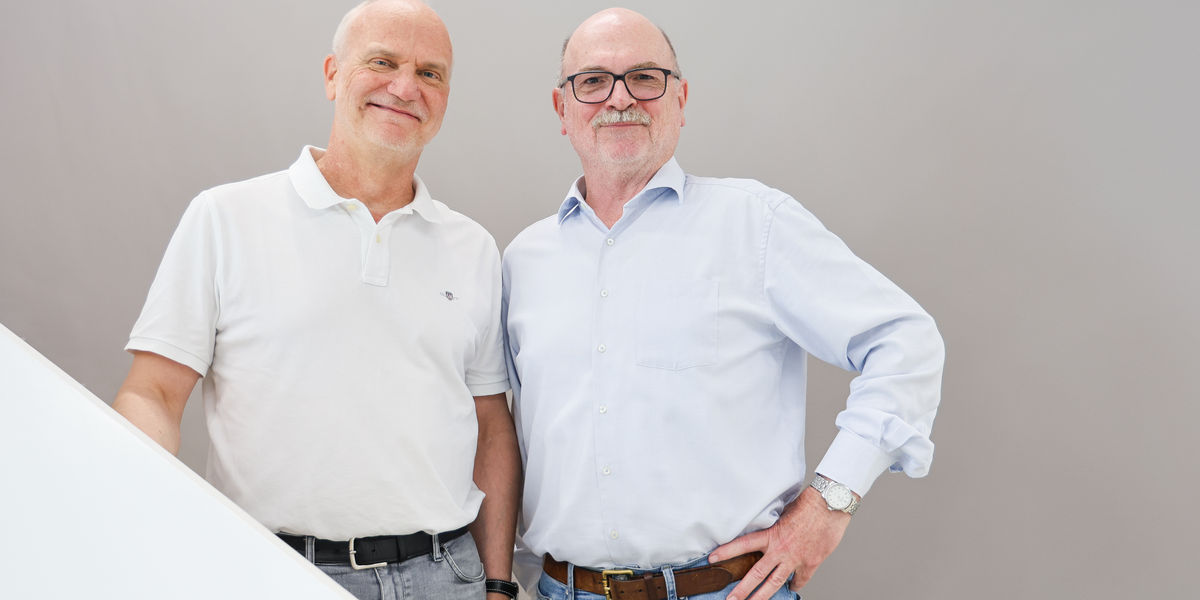
“These results represent a breakthrough in the treatment of children with acute lymphoblastic leukemia,” says Prof. Dr. Martin Schrappe, principal investigator of the study and professor at Christian-Albrechts-University of Kiel (CAU). “For the first time, we were able to show that immunotherapy in the initial treatment of ALL can not only be effective in addition to chemotherapy but can also replace particularly harsh chemotherapy regimens.”
“The results make us very confident,” says Prof. Dr. Gunnar Cario, head of the ALL-BFM study center and director of the Department of Pediatric Oncology and Rheumatology at the UKSH, Kiel Campus. “Our goal is to replace chemotherapy with more effective and better-tolerated immunotherapies in other patient groups as well. A corresponding study will begin later this year.” Like the study just published, it is made possible in large part by funding from German Cancer Aid.
Gerd Nettekoven, Executive Director of German Cancer Aid, says: “Pediatric oncology has made tremendous progress in recent decades: Today, four out of five children with cancer make a full recovery. The study by Prof. Schrappe and Prof. Cario shows that we are continuing to make progress with such important clinical research projects. Our goal must be to further increase the chances of recovery for children and adolescents with cancer while at the same time reducing the burden of treatment on these young patients.”
The project is part of the research activities of the Kiel Oncology Network (KON) at the CAU’s Faculty of Medicine and the University Cancer Center Schleswig-Holstein (UCCSH), which brings together all oncology facilities at the UKSH as well as the universities in Kiel and Lübeck. In addition, the project is closely linked to the Clinical Research Group “CATCH ALL – toward a cure for all adults and children with Acute Lymphoblastic Leukemia (ALL),” which is funded by the German Research Foundation (DFG). There, clinical and scientific experts are developing new concepts for precision therapies for ALL—for patients ranging from newborns to older adults.
Note: This article has been translated using a computer system without human intervention. LUMITOS offers these automatic translations to present a wider range of current news. Since this article has been translated with automatic translation, it is possible that it contains errors in vocabulary, syntax or grammar. The original article in German can be found here.



Other news from the department science