Vascular killer LDL cholesterol: are butter, eggs and cheese the culprits?
In addition to drug therapies to lower cholesterol, a healthy lifestyle is important
Advertisement


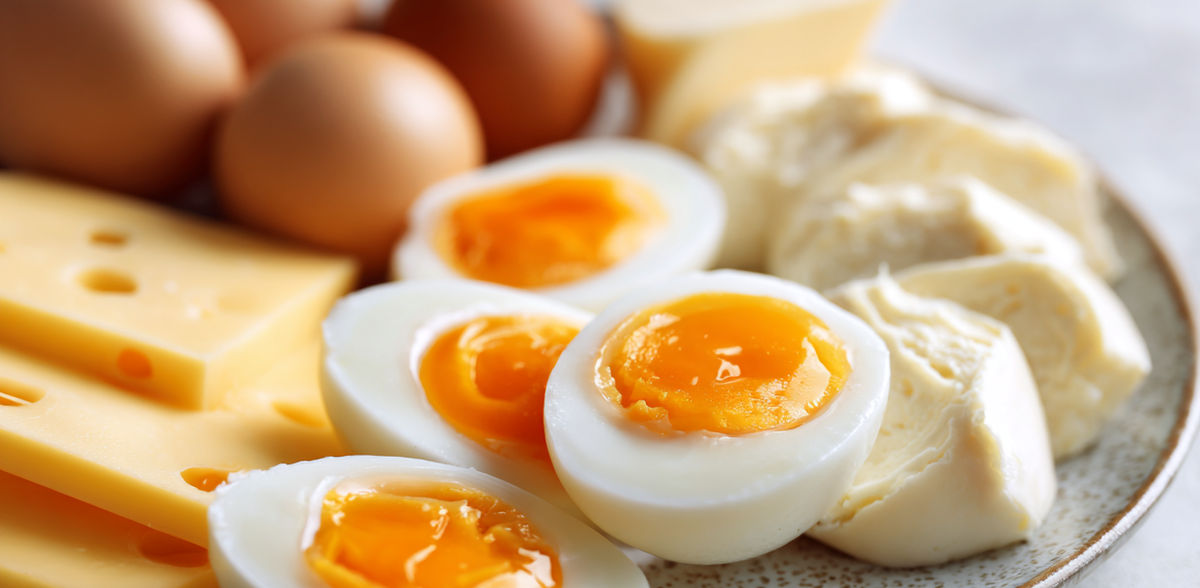
Cholesterol-rich foods such as eggs, cheese and butter have long been considered the main cause of increased LDL cholesterol levels, an important risk factor for cardiovascular disease. "Today we know that the intake of cholesterol through food only slightly increases LDL cholesterol levels in the blood of most people," says cardiologist and lipid specialist Prof. Dr. Ulrich Laufs, member of the Scientific Advisory Board of the German Heart Foundation. The body only absorbs a third of its cholesterol from food, two thirds of blood lipids are produced by the liver itself. The liver adjusts the cholesterol production required for the various bodily functions according to the cholesterol intake: "The more cholesterol there is in the blood, the less cholesterol the liver produces itself," explains the Director of the Clinic and Polyclinic for Cardiology at Leipzig University Hospital in the current issue of the Heart Foundation's magazine HERZ entitled "Too much fat in the blood - How a healthy fat metabolism protects the heart and blood vessels". However, it has also been proven that if too much unused LDL cholesterol (LDL-C) circulates in the blood, it is deposited in the walls of the blood vessels and contributes to the formation of so-called plaques. These increase the risk of a heart attack, for example, in various ways.
In the treatment of high cholesterol levels, hypercholesterolemia, lifestyle changes are generally the first priority. However, a healthy lifestyle alone, such as regular exercise and a healthy diet, is not enough to combat the associated risk of heart attack. "Today, we have very effective and well-tolerated cholesterol-lowering drugs at our disposal," says Laufs. He emphasizes: "Studies prove it: The lower the LDL-C is lowered, the lower the number of heart attacks, strokes and deaths." Heart attacks alone lead to over 185,000 hospital admissions every year (German Heart Report - Update 2025).
Role of diet "significant, but not decisive"
High levels of LDL (low-density lipoprotein) cholesterol in particular increase the risk to the heart and blood vessels. This is because excess LDL-C in the blood is deposited in the upper layers of the vascular wall. As a "silent vascular killer", high LDL-C - together with other risk factors such as high blood pressure, diabetes mellitus or smoking - damages the blood vessels over time without noticeable symptoms for those affected, until heart attacks, strokes, PAD or even death occur as a result of vascular calcification (arteriosclerosis). "In order to avoid this risk of heart and brain attacks, it is important to regularly monitor blood cholesterol levels and, if LDL-C is elevated, to counteract this as early as possible with lifestyle measures and medication so that deposits in the blood vessels and damage to them do not occur in the first place," emphasizes Prof. Laufs. "In terms of LDL-C reduction, diet plays an important role, but not the decisive one."
Combination of several factors
High cholesterol levels are no longer attributed to eating habits alone, but to a combination of genetic predisposition, the body's own regulation, the influence of illness and lifestyle. Accordingly, in addition to too much LDL-C in the blood, other risk factors such as smoking, lack of exercise, high blood sugar, high blood pressure and obesity should be regularly controlled or regulated. Cardiologists and the German Heart Foundation see a good opportunity to detect lipid metabolism disorders with high cholesterol levels and other risk factors such as high blood pressure and high blood sugar at an early stage by having a regular health check-up with a GP from the age of 35, which is offered free of charge every three years by health insurance companies. "In the case of known lipid metabolism disorders or serious cardiovascular events such as heart attacks or strokes in young family members, however, a close medical check-up should be carried out earlier," emphasizes Prof. Laufs.
Info: Blood fats (lipids)
Lipids have many vital functions in the body. Among other things, they serve as energy stores, are building blocks of cell walls and basic substances for hormones. The most important lipids in the blood include
- LDL cholesterol (the so-called bad cholesterol),
- HDL cholesterol,
- Triglycerides (neutral fats, these are mainly absorbed through food and can be easily influenced by a change in diet with alcohol reduction) and
- Lipoprotein(a), Lp(a) for short, a hereditary risk factor
Everyone can become active for a healthy heart: This is what cardiologists advise
If you want to actively promote your heart health, you should not only stop smoking but also exercise regularly and eat a healthy diet. At least five times a week, 30-60 minutes of endurance activity (brisk walking, running, cycling, swimming, etc.) and an active lifestyle that balances out sedentary activities with movement units (going for a walk during the lunch break) are ideal. In addition to endurance training, the following are recommended
- moderate strength training (strength exercises with a low load and high repetition rate: e.g. 30 percent of maximum strength for 20 repetitions - avoid press breathing at all costs),
- mobility and flexibility training (e.g. balance and stretching exercises) or
- isometric strength training (e.g. 4 x 2 minutes wall sits; the duration of the exercise should be based on individual strength and can therefore be shorter)
Mediterranean cuisine makes it easier to start a healthy lifestyle with its preventative benefits for heart health. It is rich in fresh vegetables, fruit, salads, pulses, wholegrain products, fish, nuts, herbs and healthy fats (e.g. linseed oil, olive oil), which contain polyunsaturated fatty acids. Overall, only a few animal products are used.
Support for high cholesterol: dietary fiber and healthy vegetable oils
Dietary fiber can slightly reduce the LDL concentration in the blood. As indigestible components of plant foods, they bind bile acids in the intestine, which are important for digestion and consist mainly of cholesterol. The bound bile acids are excreted in the stool, and the body must now produce new bile acids from cholesterol. "With regular consumption of fiber-rich foods, this measurably reduces the total cholesterol level in the blood: up to a maximum of ten percent, depending on the initial state," reports the Heart Foundation in HERZ heute. The German Nutrition Society (DGE) recommends a daily fiber intake of at least 30 to 40 grams. Particularly high in fiber are
- Oat flakes, oat bran,
- pulses such as beans, lentils and peas,
- Fruit, especially apples, pears, rhubarb and berries,
- porcini mushrooms, chanterelles and
- carrots, broccoli and artichokes.
Omega-3-rich oils are also discussed as having positive effects on the heart and blood vessels. Omega-3 is an unsaturated fatty acid that the body cannot produce itself and must be taken in with food. Linseed oil is particularly rich in omega-3, as are walnut, rapeseed and hemp oil. The benefits of omega-3 fatty acids are based on the fact that they reduce triglycerides (neutral fats), which are mainly ingested with food, and thus protect vascular function and inhibit inflammation.
Note: This article has been translated using a computer system without human intervention. LUMITOS offers these automatic translations to present a wider range of current news. Since this article has been translated with automatic translation, it is possible that it contains errors in vocabulary, syntax or grammar. The original article in German can be found here.


Other news from the department science