HIV antibody opens up new approaches for vaccine development and combination therapies
Advertisement


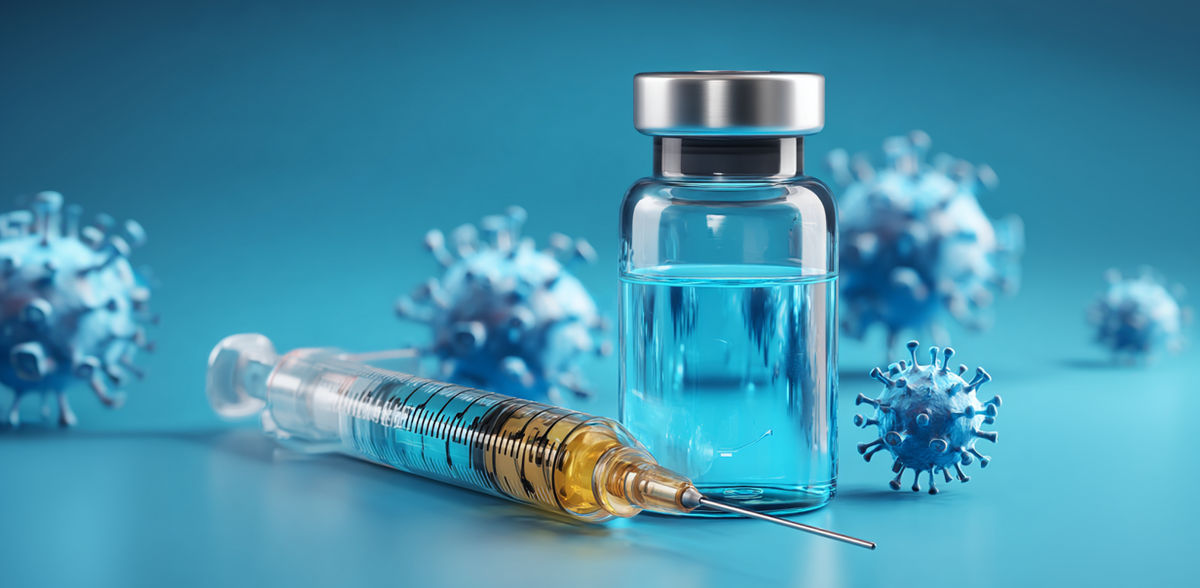
An international research team has identified a novel HIV antibody that targets the virus at a particularly vulnerable site and overcomes previous limitations of known antibodies. This study, led by Professor Dr Florian Klein, opens up new perspectives for the development of vaccines and therapeutics against HIV-1 and was published in the journal „Nature Immunology“.
HIV-1 can be neutralized by antibodies which bind to vulnerable structures on the virus surface. One such vulnerable site is the so-called V3 glycan site of the viral envelope protein. This target structure plays a central role in virus entry into human cells and has therefore long been an important focus for the development of new immunotherapeutic and preventive approaches. However, to date, most identified antibodies have been able to effectively recognize the V3 glycan site only in a subset of HIV variants circulating worldwide.
The newly described antibody, designated 007, targets the V3 glycan site in a different manner than previously known antibodies. Unlike classical V3 antibodies, its binding does not depend on a specific sugar structure that HIV-1 frequently alters to evade the immune response. As a result, in laboratory tests, 007 remains effective against virus variants that are resistant to classical V3 antibodies. In a mouse model with human immune cells, 007 also effectively enhances existing V3 antibody therapy, forcing the virus to develop multiple changes simultaneously in order to escape. A key finding of the study is that 007 closes existing activity gaps of classical V3 antibodies, and therefore supports antibody therapy combinations that neutralize the virus more effectively.
“The V3 glycan site has long been considered a vulnerable epitope of HIV-1, but until now it could only be partially exploited therapeutically and for vaccine development,” explains first author Dr Lutz Gieselmann. Dr Malena Rohde, also an author of the study, adds: “The identification of the antibody 007 demonstrates that this weak point can be targeted in a much more versatile way than previously assumed, thereby opening up new perspectives for vaccine development as well.”
These research findings are therefore of great importance both for the development of new combination therapies and for vaccine development. For use in HIV immunotherapy, 007 has already been licensed exclusively to the company Vir Biotechnology, in partnership with the Gates Foundation in furtherance of its charitable purposes, and is in preclinical development with the support of the Cologne-based start-up Togontech.
Original publication
Lutz Gieselmann, Andrew T. DeLaitsch, Malena Rohde, Caelan Radford, Johanna Worczinski, Anna Ashurov, Elvin Ahmadov, ... Harry B. Gristick, Henning Gruell, Jesse D. Bloom, Michael S. Seaman, Pamela J. Bjorkman, Florian Klein; "Identification of a potent V3 glycan site broadly neutralizing antibody targeting an N332gp120 glycan-independent epitope"; Nature Immunology, 2026-2-3



Other news from the department science











Most read news








More news from our other portals


















Something is happening in the life science industry ...
This is what true pioneering spirit looks like: Plenty of innovative start-ups are bringing fresh ideas, lifeblood and entrepreneurial spirit to change tomorrow's world for the better. Immerse yourself in the world of these young companies and take the opportunity to get in touch with the founders.
See the theme worlds for related content
Topic world Antibodies
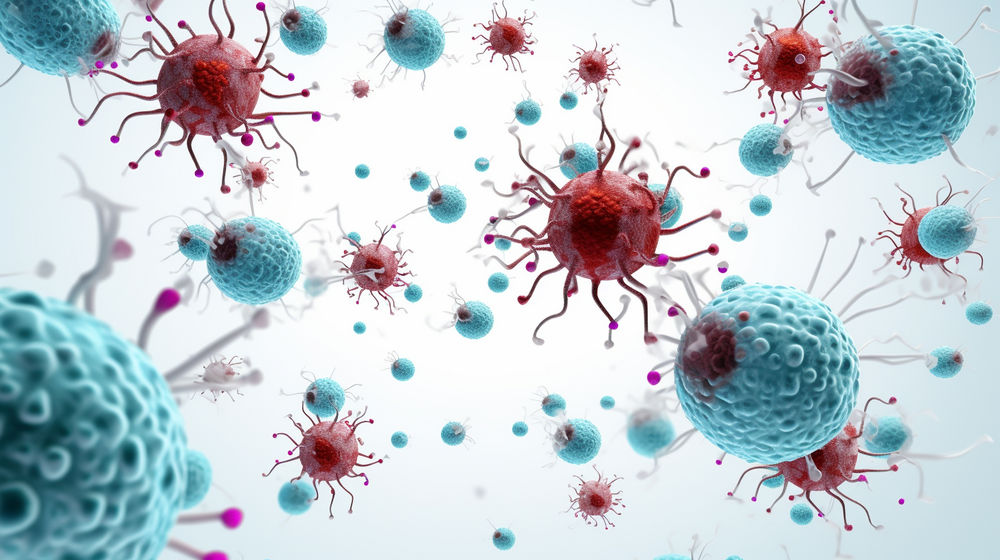
Antibodies are specialized molecules of our immune system that can specifically recognize and neutralize pathogens or foreign substances. Antibody research in biotech and pharma has recognized this natural defense potential and is working intensively to make it therapeutically useful. From monoclonal antibodies used against cancer or autoimmune diseases to antibody-drug conjugates that specifically transport drugs to disease cells - the possibilities are enormous
Topic world Antibodies
Antibodies are specialized molecules of our immune system that can specifically recognize and neutralize pathogens or foreign substances. Antibody research in biotech and pharma has recognized this natural defense potential and is working intensively to make it therapeutically useful. From monoclonal antibodies used against cancer or autoimmune diseases to antibody-drug conjugates that specifically transport drugs to disease cells - the possibilities are enormous