14 recommendations for effective cancer prevention
WHO updates European Code against Cancer
Advertisement


Just in time for World cancer Day, the updated fifth edition of the European Code against Cancer is now available. The Code is published by the WHO's International Agency for Research on Cancer (IARC) and contains 14 scientifically based recommendations for action that people can use to reduce their personal cancer risk. For the first time, the Code also contains specific recommendations for political decision-makers. German Cancer Aid and the German cancer research Center (DKFZ) are calling for Germany to align its prevention policy more closely with the WHO recommendations in order to exploit the potential of cancer prevention.
Prof. Dr. med. Dr. h.c. Michael Baumann, Director of the DKFZ: "In 2023 alone, around 520,000 people in Germany were diagnosed with cancer. Two out of five of these diseases could have been avoided through health-conscious behavior. Many of these fates could be prevented or significantly mitigated through prevention and early detection. The European Code against Cancer brings together scientifically proven recommendations and is therefore an indispensable tool for everyone who wants to actively protect their health. We very much welcome the fact that the Code is now for the first time also making politicians responsible."
Gerd Nettekoven, Chairman of German Cancer Aid: "Cancer prevention is more than an individual task. Legislation is needed that creates healthy living spaces for everyone. Prevention and health promotion must therefore be a central component of political strategies. The knowledge is available - we must finally make use of the enormous potential for prevention! We will never tire of calling on politicians to take action. This would benefit each and every individual and society as a whole."
IARC tightens previous prevention recommendations
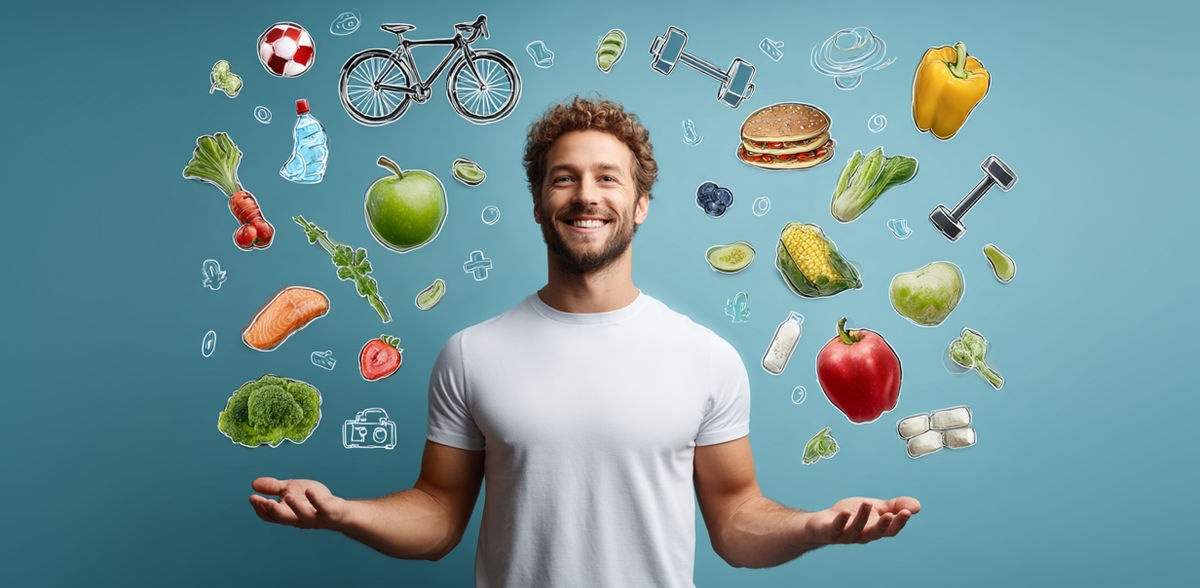
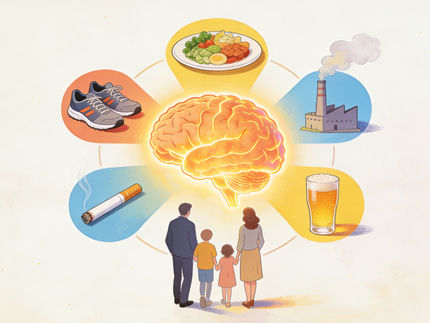
A cancer-preventive lifestyle includes avoiding tobacco, a balanced diet, regular exercise, a healthy body weight and protection from UV radiation. The IARC has expanded or tightened up some of the recommendations: the code now also warns against the use of e-cigarettes and vapes. The authors also recommend completely avoiding alcohol and the use of sunbeds.
Expansion to 14 recommendations
Instead of twelve, the Code now includes 14 recommendations to help people reduce their risk of cancer. For the first time, the IARC has included environmental pollution as a factor. For example, the Code recommends taking the bus and train, walking and cycling instead of using the car, or avoiding indoor fireplaces.
Two separate recommendations are aimed at women. For young mothers: breastfeeding for as long as possible reduces the risk of breast cancer. Women with menopausal symptoms should only use hormone replacement therapy after consulting a doctor and for as short a time as necessary.
The state has a responsibility to promote healthy behavior
In its fifth edition, the IARC explicitly addresses policy-makers for the first time with the Cancer Code. It calls for effective legal measures to make healthy choices easier in everyday life. These include higher taxes on tobacco and nicotine products, alcohol, high-sugar foods and highly processed meat. In addition, information campaigns should strengthen the population's health literacy.
The IARC also believes that the state has a key responsibility when it comes to vaccination. It recommends expanding vaccination programs against hepatitis B and human papillomaviruses. Furthermore, political decision-makers must ensure better occupational health and safety measures, especially for people who work outdoors or with carcinogenic substances. Air quality should also be improved through smart urban planning, for example by not building schools and daycare centers on busy roads.
Note: This article has been translated using a computer system without human intervention. LUMITOS offers these automatic translations to present a wider range of current news. Since this article has been translated with automatic translation, it is possible that it contains errors in vocabulary, syntax or grammar. The original article in German can be found here.


Other news from the department science