European Medicines Agency recommends that Linoladiol N and Linoladiol HN remain available
Benefits continue to outweigh risks with new restrictions
Advertisement


The European Medicines Agency’s Committee for Medicinal Products for Human Use (CHMP) has concluded that Linoladiol N and Linoladiol HN, two high-strength estradiol-containing creams used for topical treatment of diseases of the genital area in women who have been through the menopause, may continue to be used with certain restrictions.
The CHMP recommended that Linoladiol N may continue to be used for the treatment of vaginal atrophy due to a lack of oestrogen when at least one topical, lower dose oestrogen treatment has failed. For Linoladiol HN, which also contains a weak corticosteroid, prednisolone, the CHMP recommended limiting the use to the treatment of mild, inflammatory skin diseases of the external genital area.
For both creams, the CHMP recommended limiting treatment to a duration of four weeks to minimise the risk of side effects. The CHMP acknowledged that the creams have been used for a long time without serious risks to public health. However, due to the relatively high concentration of estradiol in these creams, there is a risk of estradiol being absorbed systemically (throughout the body). When used long-term, the risks with these creams could potentially be similar to those associated with the use of estradiol in systemic hormone replacement therapy (HRT), which include venous thromboembolism (formation of blood clots in the veins), stroke and endometrial cancer (cancer of the lining of the womb). The CHMP recommended that the product information of these medicines be updated to reflect current knowledge in this area.
The CHMP also recommended that Linoladiol HN should no longer be used to treat lichen sclerosus, another condition affecting the genital area, characterised by small white spots that are often itchy or sore. This is because there is no evidence supporting the use of estradiol in this condition.
The review of Linoladiol N and Linoladiol HN follows a national re-registration procedure for Linoladiol N in Germany, during which the German medicines agency, the Federal Institute for Drugs and Medical Devices (BFARM), re-assessed existing data on the benefits and risks of Linoladiol N and concluded that its benefit-risk balance was unfavourable. Because Linoladiol N is also authorised in other EU countries¹, the BFARM subsequently asked the CHMP to carry out an EU-wide review of this medicine. The referral was extended to include Linoladiol HN because it also contains a relatively high dose of estradiol.
The CHMP recommendation will now be sent to the European Commission for the adoption of a final, legally binding decision valid throughout the EU.
Other news from the department politics & laws
















Most read news










More news from our other portals



















Last viewed contents
Max-Planck-Institut für experimentelle Medizin - Göttingen, Germany

Max-Planck-Institut für Kolloid- und Grenzflächenforschung - Potsdam, Germany

Truffini & Reggè Farmaceutici S.r.l. - Mailand, Italy

Leibniz-Institut für Pflanzengenetik und Kulturpflanzenforschung (IPK Gatersleben) - Gatersleben, Germany

From beer to useful fats and medicines - The spent grain from beer brewing can be used to make microcapsules that can preserve omega-3 oils and medicines
Simtra BioPharma Solutions - Parsippany, USA

Ancient viral DNA shapes modern human placentas - “It’s a reminder that there is much more to learn about our genome and how ancient infections can influence who we are today”
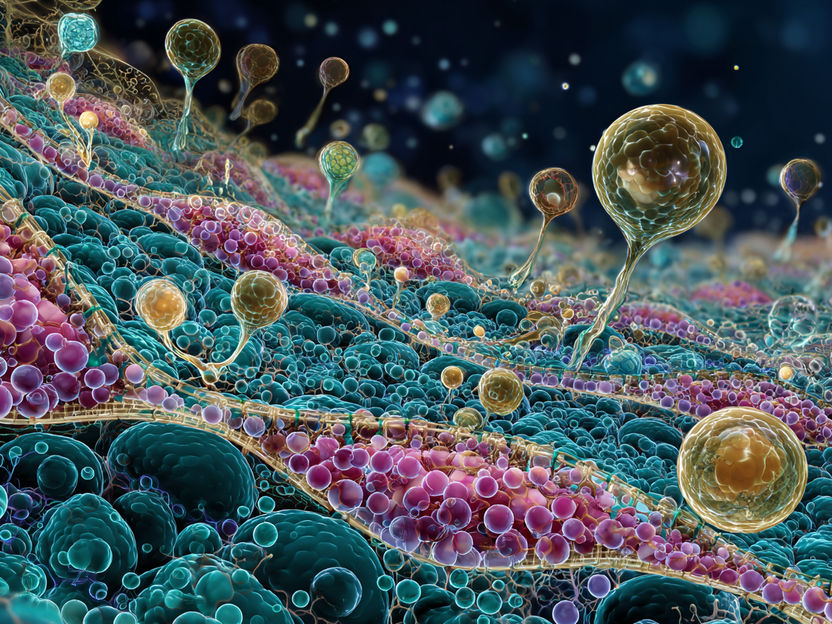
Chemistry meets biology: controlling artificial cell membranes through catalysis - Researchers develop an artificial metalloenzyme-based platform that enables programmable control of artificial membrane behavior

Merck Invests €70 million to Expand ADC Manufacturing for Novel Cancer Therapies - Triples manufacturing capacity to meet increased global demand for antibody-drug conjugates (ADCs)

StratifAI Raises €12.5M for Clinical Validation of AI Biomarker Platform for Precision Oncology - Oversubscribed round expand global reach, and unlock multi‑billion‑euro cancer diagnostics market

New deep-learning tool can tell if your salmon is wild or farmed