Prima BioMed updates CVac development program
Clinical trial focus on second-remission ovarian cancer patient
Advertisement


Prima BioMed Ltd provided significant updates to its CVac™ clinical development program.
Prima previously reported all progression-free survival data from its CAN-003 protocol, a 63-patient phase 2 trial of CVac for the treatment of epithelial ovarian cancer in remission after standard first-or second-line treatment. In 20 patients in second remission on the CAN-003 trial, CVac conferred approximately a 50% increase in progression free survival as compared to observation only (7.69 months versus 5.14 months; HR=0.41; p=0.09).
Prima will move forward with a 210-patient phase 2, multicentre, randomized, and controlled trial of CVac for the maintenance treatment of platinum sensitive, epithelial ovarian cancer patients who achieve remission after second-line platinum-based treatment. This trial will be conducted as an amendment to the CAN-004 protocol. The primary endpoint for this study will be Overall Survival (OS); secondary endpoints include progression-free survival (PFS), adverse events, and immune monitoring. Prima will also move forward with a 40-patientpilot, multicentre, single-arm trial of CVac for the maintenance treatment of resected pancreatic cancer patients. This trial will assess OS, PFS, adverse events, and immune monitoring.
Matthew Lehman, Prima’s CEO: “Though based on a small cohort of 20 patients, we are pleased to see a strong clinical signal in the second-remission ovarian cancer patient population from the CAN-003 trial. Ovarian cancer has proven a very difficult cancer to treat. We are excited to move forward with our 210-patient trial of this second-remission patient population. If we are able to confirm similar results as the CAN-003 trial, we would have compelling proof of clinical concept for CVac to treat ovarian cancer.”
The Company further advised that it will not enrol additional first-remission ovarian cancer patients onto the CAN-004 trial and that it will not commence trials of triple-negative breast and colorectal cancers. There are currently 76 randomized patients in first-remission on the CAN-004 trial; these patients will be allowed to continue on the protocol and will be analysed separately to the second-remission cohort.


Other news from the department research and development









Most read news









More news from our other portals
















Last viewed contents

Clear Labs - Menlo Park, USA
Molecular structure of one of the most important receptors in the immune system unraveled - Researchers publish the three-dimensional structure of the B cell antigen receptor, shedding new light on its composition
Encouraging results in a Phase I clinical trial in limb-girdle muscular dystrophy type 2C
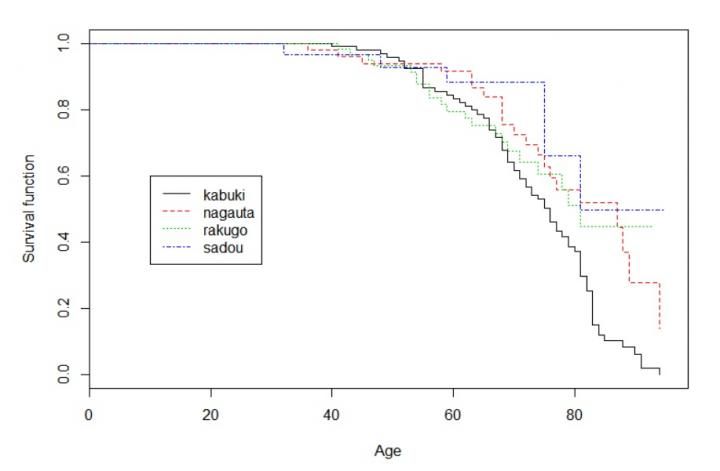
Strenuous daily exercise may shorten, not prolong, longevity - Kabuki actors surprisingly had shorter lifespans compared with other traditional arts performers who lead mostly sedentary lifestyles
Study demonstrates impact of temperature on mitochondrial DNA evolution
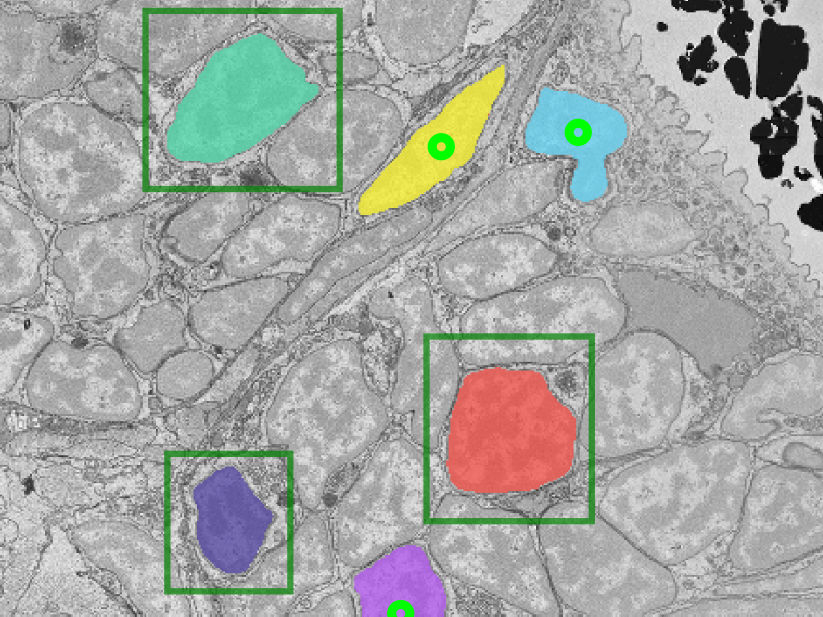
Automated cell analysis using artificial intelligence - International research team develops user-friendly software method
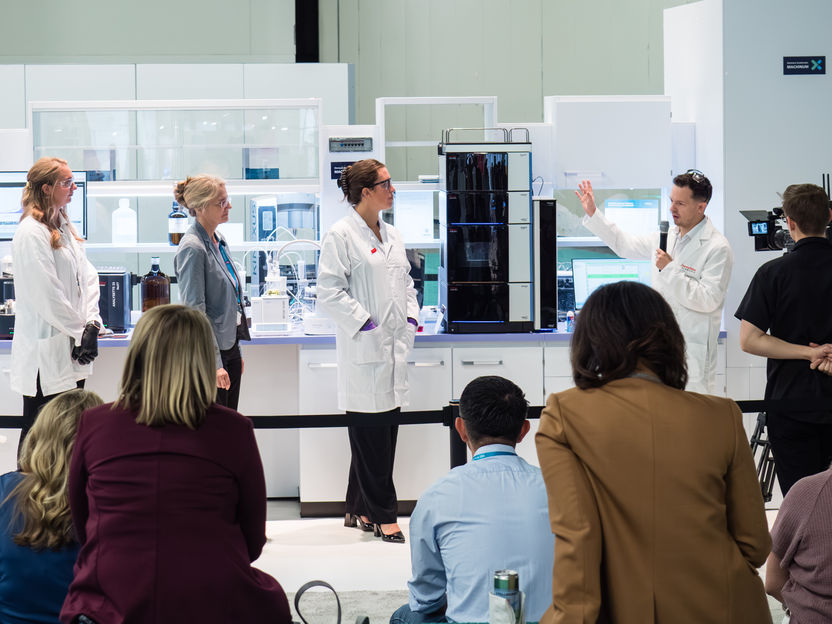
Analytica USA celebrated its premiere on the US market - Key topics: digitalization and sustainability in the laboratory
Agilent and University of Duisburg-Essen Announce Collaboration Agreement - New Teaching and Research Center for Separation

COVID-19 can cause severe inflammation in the brain - Various immune cells in the brainstem cause formation of inflammatory nodules
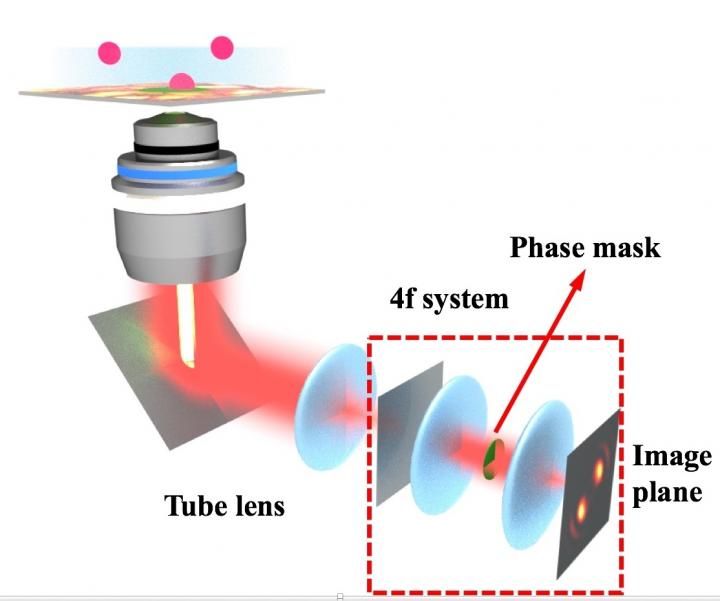
Shaping light lets 2D microscopes capture 4D data - Invention adds new dimension to fluorescent microscopy
FDA approves new therapy for certain types of advanced soft tissue sarcoma