A new free platform simplifies the analysis of microbiological data
Platform brings together 884 analytical tools for microbiology and makes data analysis transparent
Advertisement


An international research team, including researchers from the University of Freiburg, has presented the “microbiology Galaxy Lab” in the journal Communications Biology. This free online platform enables researchers worldwide to analyse large volumes of microbiological data and to ensure that their analyses are transparent and reusable.
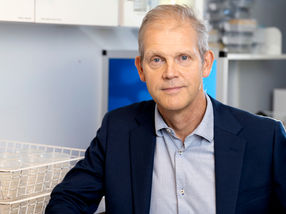
Whether in the study of pathogens, antibiotic resistance, or biodiversity, microbiology is generating ever-increasing volumes of data. Analysing this data often requires specialised software, high-performance computers and extensive programming skills. To make such analyses more accessible, a group of researchers from various countries has jointly developed the Microbiology Galaxy Lab. They collaborate within the international “microGalaxy community”, which pools their expertise in microbiology and bioinformatics and continuously refines the platform’s capabilities. Members of the Freiburg Galaxy Team at the Department of Computer Science at the University of Freiburg, led by Dr Björn Grüning , were also involved.
Simplifying microbiological data analysis
The platform is based on the well-established open-source software Galaxy and provides more than 884 analysis tools and numerous pre-configured analysis processes, known as workflows. No separate software installations or high- performance computers are required. Public servers provide the necessary computing capacity free of charge. In addition, tutorials, training videos and structured learning paths make it easier to get started and provide support in using the applications.
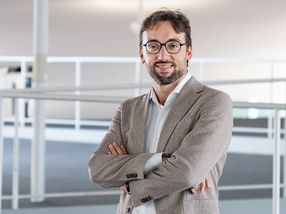
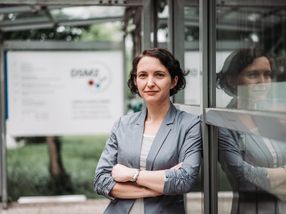
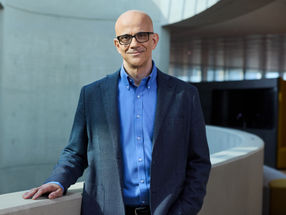
“Microbiological research is increasingly reliant on the analysis of large and complex datasets. With the “Microbiology Galaxy Lab”, we aim to ensure that modern analytical methods are not only available to large research institutions with extensive technical resources, but that scientists worldwide can benefit from them,” says Dr Paul Zierep , a researcher at the Department of Computer Science at the University of Freiburg and co- coordinator of the international “microGalaxy community”.
Dr. Paul Zierep, Researcher at the Department of Computer Science at the University of Freiburg and co-coordinator of the international “microGalaxy community”: “Microbiological research is increasingly reliant on the analysis of large and complex datasets. With the “Microbiology Galaxy Lab”, we aim to ensure that modern analytical methods are not only available to large research institutions with extensive technical resources, but that scientists worldwide can benefit from them.”
Making scientific results transparent
A particular focus is on the transparency and reproducibility of scientific analyses. The “Microbiology Galaxy Lab” documents the individual steps so that other researchers can verify them and use them for their own investigations. In doing so, it adheres to the so-called FAIR principles: research data should be findable, accessible, interoperable, and reusable.
Original publication


Other news from the department science