A Vaccine for Parkinson's?
100,000 euros for a tolerogenic mRNA vaccine strategy

Advertisement


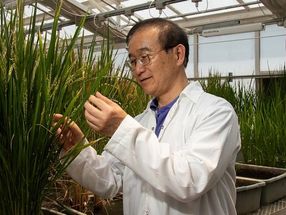
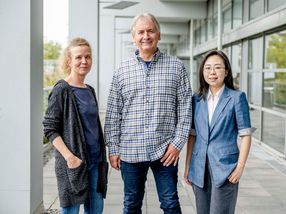
The Parkinson's Foundation has awarded three innovation prizes, including—for the first time—the Manfred Moggert-Kemper Prevention Prize. Prof. Dr. Chi Wang Ip and Assistant Professor Dr. Rhonda McFleder from the Department of Neurology at UKW, as well as Prof. Dr. Mathias Munschauer from Heidelberg University Hospital (UKHD), are delighted to receive the 100,000-euro project grant. In the project “Preventive tolerogenic alpha-synuclein mRNA vaccination against Parkinson’s disease,” the team is working on the development of a preventive, disease-modifying strategy that can be applied before the permanent loss of dopaminergic neurons leads to visible symptoms.
Vaccinations are among the greatest successes of preventive medicine. They can not only prevent infectious diseases such as the flu or COVID-19, but also avert serious complications and long-term damage. For example, the HPV vaccine reduces the risk of cervical cancer by up to 90 percent. The measles vaccine prevents a dangerous decline in immune defense and protects against encephalitis, which can lead to permanent brain damage or even death. And the polio vaccine can prevent inflammation of the central nervous system as well as irreversible paralysis. These examples show that a preventive immunological intervention can prevent subsequent irreversible tissue damage, provided the underlying cause is known.
100,000 euros for a tolerogenic mRNA vaccination strategy
Chi Wang Ip, Rhonda Mc Fleder, and Mathias Munschauer now aim to apply this medical principle to Parkinson’s disease. Their concept and initial research have convinced the Parkinson Foundation. The project received the foundation’s Innovation Award, worth 100,000 euros, in the new “Prevention” category.

However, Parkinson’s is not the flu. There is no pathogen against which a vaccine could be directed. “While traditional vaccines train the immune system to better fend off or fight viruses, our vaccine aims to specifically train the immune system to suppress potentially harmful immune reactions rather than amplify them. In our case—Parkinson’s disease—the goal is for the immune system to become tolerant to certain forms of the body’s own protein, alpha-synuclein,” explains Prof. Dr. Chi Wang Ip, outlining the principle behind the tolerogenic mRNA vaccine strategy. Ip is deputy director of the Department of Neurology at the University Hospital of Würzburg (UKW) and a professor of translational neurology. Together with Assistant Professor Dr. Rhonda McFleder, he is conducting research at UKW on the neuroimmunological mechanisms underlying Parkinson’s disease.
The Role of the Immune System in Parkinson’s Disease
“More and more studies—including our own—suggest that the immune system plays an important role in Parkinson’s disease, possibly even in the onset of the disease,” says Ip. The physician and scientist highlighted, for example, the involvement of the protein alpha-synuclein (αSyn), which is expressed on nerve cells and is altered in Parkinson’s disease. This protein activates the immune system. Immune cells, particularly T cells, become overactivated in the brain, leading to inflammation. This, in turn, damages the dopamine-producing nerve cells in the substantia nigra.
A dopamine deficiency is responsible for the typical symptoms of Parkinson’s disease: slowed movement, muscle stiffness, and tremors. Dopamine acts as a chemical messenger that transmits signals between nerve cells and helps the brain control and coordinate movements. When these nerve cells are lost, a dopamine deficiency results. The goal, therefore, is to preserve the nerve cells that produce dopamine.
mRNA Protected Dopamine-Producing Nerve Cells in a Mouse Model
In a specially developed and established mouse model that mimics Parkinson’s disease, the team has already demonstrated that the administration of a specially developed mRNA promotes targeted immune tolerance toward αSyn. In fact, the treatment protected dopamine-producing neurons, preserved important neural connections in the brain, and reduced the infiltration of CD8 T cells into the brain. Additionally, the number of regulatory T cells (Tregs) in the blood increased. Tregs can suppress immune responses and prevent excessive immune reactions.
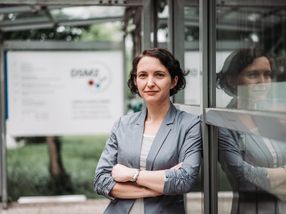
“However, the treatment was not able to fully protect the nerve cells. This suggests that the therapeutic window may already be limited once the inflammatory and neurodegenerative cascade has begun. That’s why we now want to intervene one step earlier and try to prevent Parkinson’s with an mRNA-based vaccine,” says Rhonda McFleder. A native of the United States, she is a physician and biologist who joined Chi Wang Ip’s research group at the UKW in 2020 on a Humboldt Fellowship.
Acclimating the Immune System to Alpha-Synuclein Early On
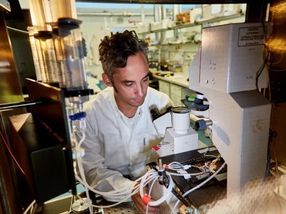
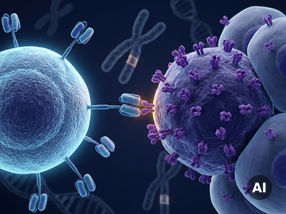
In tolerogenic mRNA vaccination, selected components of the α-syn protein are presented to the immune system using modified mRNA molecules packaged into tiny lipid particles. “If we acclimate the immune system to the selected alpha-synuclein components early on, we can prevent harmful immune reactions and inflammatory processes in the brain—or at least significantly attenuate them—and thus slow down or even prevent the loss of dopamine-producing neurons,” says Prof. Dr. Mathias Munschauer, explaining the underlying hypothesis. Munschauer is director of the “Molecular Virology” department at the Center for Infectiology at Heidelberg University Hospital (UKHD). Before this renowned specialist in RNA viruses assumed the W3 professorship in “Molecular Virology” at Heidelberg University’s Faculty of Medicine in July 2025, he led a research group at the Helmholtz Institute for RNA-Based Infection Research (HIRI) in Würzburg.
Prevention—Before the First Symptoms Appear
With funding from the Parkinson’s Foundation, the team aims to further optimize the composition of the mRNA vaccine and test its preventive effect in two mouse models with different disease courses.
“In doing so, we also want to determine which immune mechanisms underlie this effect and which biological markers could help identify people at increased risk for Parkinson’s at an early stage in the future,” summarizes Chi Wang Ip. The long-term goal is to lay the groundwork for a potential preventive treatment for Parkinson’s—before the first symptoms appear. Whether this approach can actually protect against Parkinson’s must be tested in further studies.
Parkinson’s Foundation Innovation Awards
19 proposals in three categories were submitted to the Parkinson Foundation. Three research projects were selected, each receiving 100,000 euros in funding. In addition to the Innovation Awards for basic research and health services research, the Foundation presented an Innovation Award for prevention research for the first time. This was made possible by a private, earmarked donation. Therefore, the Prevention Award bears the name of the donor, Manfred Moggert-Kemper.
The Innovation Award for preclinical research was awarded to Prof. Dr. Franziska Richter and Kristina Lau, PhD, from the University of Veterinary Medicine Hannover Foundation, Institute of Pharmacology, Toxicology, and Pharmacy, for their project “Investigation of miR-34a-driven priming of microglia in Parkinson’s disease (miRmic).” The team is investigating the role of cellular immune processes in neurodegeneration.
The Innovation Award for Clinical Research was presented to Prof. Dr. Heiko Gaßner and Dr. Sabine Stallforth of the University Hospital Erlangen, Department of Molecular Neurology, for their project “DigiRehaPD.” Their project focuses on digitally supported care for patients following comprehensive Parkinson’s therapy.
The prize money from the Parkinson Foundation is intended as seed funding: It is meant to enable key experiments and project ideas at an early stage that, thanks to the recipients’ own preliminary work, show promise but are still considered too risky for traditional funding programs. In this way, the Parkinson Foundation aims to provide new impetus for Parkinson’s research—true to its motto: “Research. Inform. Help those affected.”
Note: This article has been translated using a computer system without human intervention. LUMITOS offers these automatic translations to present a wider range of current news. Since this article has been translated with automatic translation, it is possible that it contains errors in vocabulary, syntax or grammar. The original article in German can be found here.



Other news from the department science