Prevention Works: New Campaign Shows How We Can Keep Our Brains Healthy for Longer
Up to 90 percent of strokes are considered preventable

Advertisement


At the Neurology Congress, the German Society of Neurology and the German Brain Foundation launched a joint public awareness campaign on dementia, Parkinson’s disease, and stroke. At www.praevention-wirkt.de, interested visitors can find scientifically sound information, moving stories from those affected, and practical recommendations for daily life. The central message is: It’s never too early or too late to start prevention.
Many people believe they are largely at the mercy of neurological diseases such as dementia, Parkinson’s, or stroke. But there are numerous ways to positively influence brain health—at any age. With the new awareness campaign “Prevention Works,” the German Society of Neurology (DGN) and the German Brain Foundation are showing what each individual can do for their brain health.
“Neurology is more than just restorative medicine: We must place greater emphasis on preserving brain health, preventing diseases, and positively influencing their course at an early stage. We neurologists also bear responsibility for this,” says DGN President Prof. Dr. Daniela Berg, explaining her professional society’s commitment.
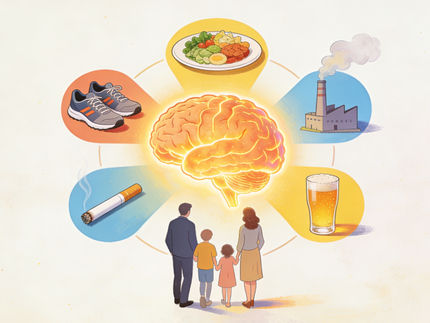
Neurological diseases affect millions of people
Neurological diseases are among the greatest health challenges facing our society. In Germany alone, approximately 1.8 million people live with dementia and about 400,000 with Parkinson’s disease. In addition, there are about 1.8 million people living with the consequences of a stroke. Every year, about 270,000 people in Germany suffer a stroke. Behind these numbers lie personal stories: Neurological diseases can significantly limit quality of life and independence and often pose major challenges for family members as well. Preventive measures, however, can make a big difference. They can help reduce the risk of developing a disease, delay the onset of certain conditions, or improve quality of life after a diagnosis. Prevention thus opens up concrete opportunities to live a healthy and self-determined life for longer.
Dementia, Parkinson’s, Stroke: What Prevention Can Achieve
The campaign focuses on three neurological diseases and shows how prevention can take many different forms.
Dementia: According to an international commission of experts, the Lancet Commission, up to 45% of dementia cases could be prevented or delayed by addressing known risk factors. These include, for example, regular exercise, treating high blood pressure, addressing hearing and vision impairments, and engaging in mental and social activities.
Parkinson’s disease: Prevention can make a significant difference even after diagnosis. Early intervention can help preserve abilities and alleviate symptoms. Regular exercise and an active daily routine can help maintain independence and quality of life for as long as possible.
Stroke: Many strokes—estimates range from 70% to 90%—can be prevented by treating modifiable risk factors. Controlling blood pressure, getting enough exercise, and treating other vascular risks such as heart rhythm disorders are particularly important. Recognizing the warning signs of a stroke and dialing 112 immediately in an emergency can also play a crucial role in limiting severe consequences. And after a stroke, consistent secondary prevention can significantly reduce the risk of another stroke.
Personal Stories That Offer Hope
The campaign focuses on people who are themselves affected by neurological diseases. In three specially produced videos, they speak openly about their experiences with dementia, Parkinson’s disease, and the consequences of a stroke. They discuss the challenges they face, how they cope with their conditions, what helps them manage their daily lives, and how they actively work to counteract the effects of their conditions.
Above all, the campaign aims to convey one message: Even small changes in daily life can make a difference. While not every neurological disease can be prevented, it’s worth knowing and taking advantage of the available options to reduce the risk of developing the disease or slow its progression. Whether it’s more exercise, a balanced diet, managing risk factors, or social activities: The campaign offers encouragement, motivation, and practical examples showing that neurological prevention doesn’t have to be complicated and can be incorporated into many areas of daily life.
From expert videos to the “Brain Wheel of Fortune”
The personal stories are supplemented by specialized neurological information. DGN President Prof. Dr. Daniela Berg explains the fundamental importance of prevention for brain health. PD Dr. Christiana Franke provides information on dementia prevention, PD Dr. Eva Schäffer on preventive measures for Parkinson’s disease, and Prof. Dr. Götz Thomalla on stroke prevention. The central platform www.praevention-wirkt.de also offers easy-to-understand background information, answers to frequently asked questions, and practical tips for everyday life. These include checklists, a collection of healthy recipes, and an interactive “Brain Wheel of Fortune,” which offers small tips to motivate people to take steps to improve their own brain health. Those seeking further support can also access the independent information resources provided by the German Brain Foundation.
“Especially when it comes to neurological diseases, people need reliable, up-to-date medical information free from any conflicts of interest. That is what the German Brain Foundation stands for, and our joint campaign also adheres to this principle. The fact that it was financed entirely from our own funds and without contributions from the pharmaceutical industry is, for us, a matter of credibility,” explains Prof. Frank Erbguth, President of the German Brain Foundation.
Note: This article has been translated using a computer system without human intervention. LUMITOS offers these automatic translations to present a wider range of current news. Since this article has been translated with automatic translation, it is possible that it contains errors in vocabulary, syntax or grammar. The original article in German can be found here.


Other news from the department science