Dangerous misinformation: Mental illnesses are often misrepresented on TikTok
Only just under one in five videos is correct
Advertisement


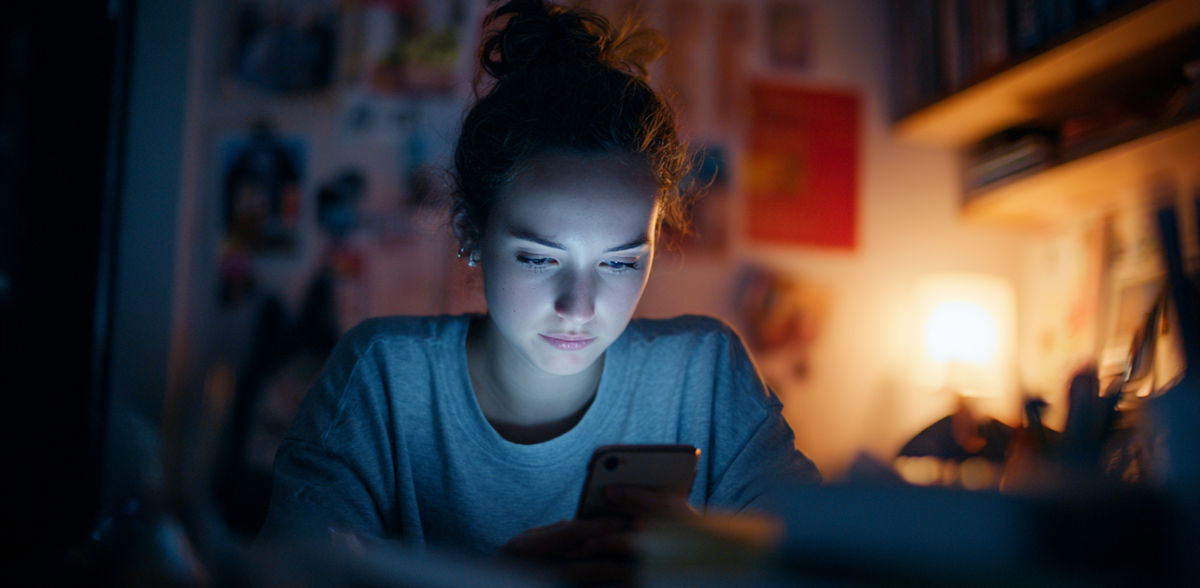
Mental health is often partially or completely misrepresented on TikTok, a new study shows. From "Symptoms of an anxiety disorder: eating too much" to "Narcissists don't love anyone" - such statements are widespread in German-language TikTok videos. But only just under one in five videos is correct. Researchers from the Department of Psychiatry and psychotherapy at the LVR University Hospital in Essen and the Faculty of Medicine at the University of Duisburg-Essen examined 177 videos with around 94 million views and recently published their findings in "Clinical Psychology in Europe".
More than half of the content is false or exaggerated
Of the videos analyzed, only 19.2% were classified as correct. 33.3% were incorrect, 18.1% were overgeneralized (i.e. too generalized, without scientific basis), and 29.4% were only about personal experiences and did not provide any scientific or medical background information.
Experts are the most reliable sources
The study shows that videos from experts such as doctors, psychologists or psychotherapists are significantly more reliable. They achieve better ratings in terms of accuracy, clarity and scientific quality. In contrast, content from laypeople or so-called "coaches" is often insufficiently researched and inaccurate or even misleading.
Young people are particularly at risk
If people want to find out about their own symptoms on TikTok and come across misinformation, this could lead to incorrect self-diagnosis or a delay in starting treatment. This could be particularly relevant for the many young users on TikTok.
What can sufferers and professionals do?
Aaron Mroß, who developed and conducted the study together with Dr. Benedikt Langenbach from the Psychopathological Research Group headed by Prof. Dr. Katja Kölkebeck, would like to see healthcare institutions and practitioners become more involved in social media than they have been to date: "If professionals create clear, understandable and appealing content on social media, they could counteract the misinformation." "Social media can be a valuable forum for exchange, but it is no substitute for medical or psychotherapeutic advice and diagnostics," adds Dr. Langenbach, the last author of the study. "This makes it all the more important that medical experts and professional associations offer high-quality information there so that patients can find the right treatment for them as quickly as possible."
Note: This article has been translated using a computer system without human intervention. LUMITOS offers these automatic translations to present a wider range of current news. Since this article has been translated with automatic translation, it is possible that it contains errors in vocabulary, syntax or grammar. The original article in German can be found here.
Original publication


Other news from the department science