Mayo Clinic researchers map prostate cancer relapse
By using C-11 choline PET and MRI
Advertisement


A team of Mayo Clinic researchers has, for the first time, successfully mapped patterns of prostate cancer recurrence, following surgery. Using C-11 choline PET imaging and multiparametric MRI, researchers found an anatomically diverse pattern of recurrence, which may help optimize treatment of patients whose prostate cancer returns after surgery.
"This study has important implications for men who have a rising prostate-specific antigen (PSA) test, also known as biochemical recurrence, after radical prostatectomy for prostate cancer," says Jeffrey Karnes, M.D., a urological surgeon at Mayo Clinic. "In men with biochemical recurrence, determining where the disease has recurred is quite challenging, especially when the PSA level is low."
According to Dr. Karnes, in the U.S., approximately 30 percent of patients who have had an initial prostate cancer surgically excised will suffer a recurrence and seek treatment. "Current imaging tests like conventional bone and CT scans are not sensitive enough to identify sites of recurrence, especially when the PSA value is lower than 10," he says.
Dr. Karnes says the combination of C-11 choline PET scanning and multiparametric MRI, helps physicians accurately identify sites of recurrence at an average PSA of 2. More importantly, he says, "This type of staging allows us to identify sites of recurrent disease that can be potentially treated either surgically or with radiation."
Dr. Karnes and his team also were able to describe patterns of prostate cancer recurrence. They found that nearly two-thirds of men in the study had recurrence limited to the pelvis, which potentially can be targeted for radiation therapy.
Original publication


Other news from the department science


















Most read news











More news from our other portals
















Last viewed contents
LDC and Roche will jointly advance innovative drug discovery projects - LDC Enters new Industry Partnership for the Discovery of Novel Medicines
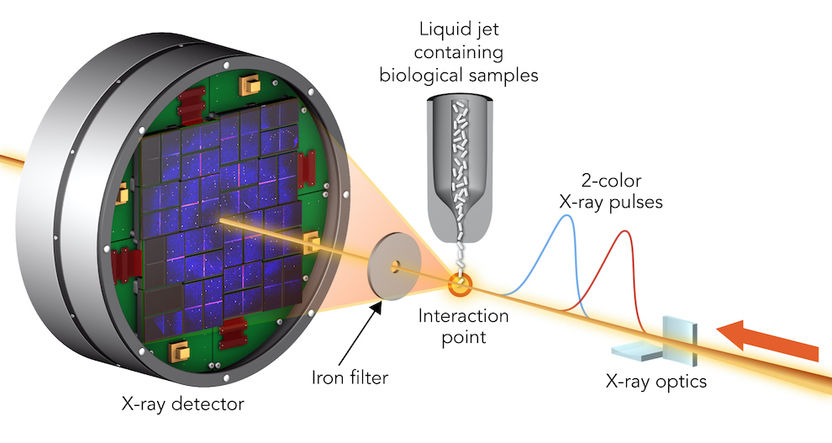
Two colour technique reveals how X-ray lasers damage biomolecules - Step to a fuller understanding of how X-ray flashes modify the structure of proteins

QIAGEN acquires Genoox - "As part of QIAGEN, we can together drive the next wave of precision medicine"
D-Cycloserine Reduces Cocaine-Seeking Behavior in "Addicted" Mice - Antibiotic that appears to control phobias may also be useful in treating addiction
Thermo Fisher Scientific Forms Consortium to Drive Immunotherapy Research Across Europe
Aeras awarded €11.7 million ($16 million) grant from Dutch government
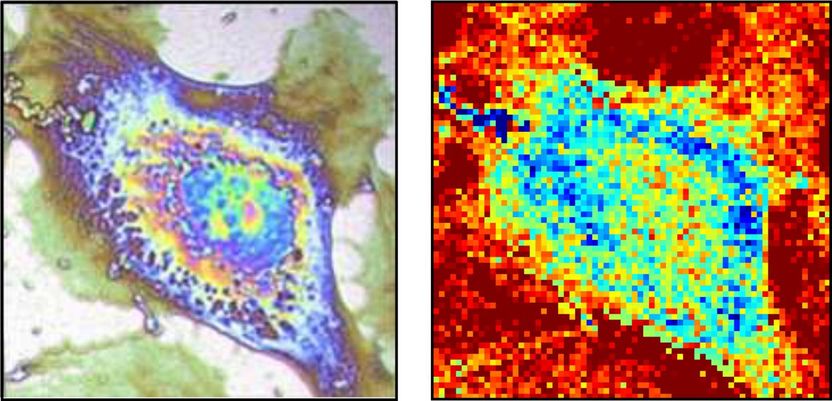
Thermal microscopy of single cells

Using barcodes to trace cell development - Method will facilitate whole new insights into the development of various tissues as well as cancer
Merck Millipore offers quick tests for EHEC in food - Easy to use detection for food manufacturers and researchers
One Year of GATTEX(TM) Therapy Safely Reduces Parenteral Nutrition Dependence for Patients with Short Bowel Syndrome - Results Presented at American College of Gastroenterology Annual Meeting Show Majority of Responders Continued to Benefit from GATTEX in Phase 3-Extension Study