Merck Collaborates with NVIDIA, Microsoft and Dawn Health to Develop Novel Support Model for People Living with Rare Tumors
Advertisement


Merck announced a collaboration with NVIDIA Corporation (Santa Clara, California, USA), Microsoft Corporation (Redmond, Washington, USA) and Dawn Health A/S (Copenhagen, Denmark) to build an innovative model for Patient Support Programs (PSPs). The four-way collaboration brings together pharmaceutical and clinical expertise, enterprise technology, AI services and digital health product design, with the shared goal of making specialist-level support more individualized, responsive and continuously available to patients, no matter how complex their treatment journey is.

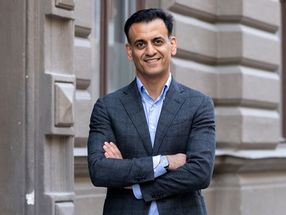
Miguel Fernández Alcalde, Head of Global Commercial Strategy for Healthcare business sector of Merck
Merck KGaA
“Across their treatment journeys, patients with rare tumors often describe challenges that extend well beyond clinical care, like navigating multiple specialists, complex regimens and repeatedly reconstructing their treatment story for each new stakeholder. Our integrated support ecosystem starts with the need. The goal is to truly transform how healthcare is experienced, not add another tool on top of it,” said Miguel Fernández Alcalde, Head of Global Commercial Strategy for Healthcare business sector of Merck. “This solution is designed to make more continuous and personalized support available across small and geographically dispersed rare tumor populations, including patients who may have limited access to specialist care.”
Merck is collaborating on the design of a pioneering integrated support ecosystem tailored to individual needs of people living with rare tumors, their disease state and circumstances. In practice, the outcome is a AI- facilitated companion, available to patients 24/7. Every interaction is grounded in clinically reviewed content, with defined escalation pathways, and full traceability and audit capabilities. Designed to complement, not replace, the care patients receive from their healthcare team, the companion extends the reach and responsiveness of support, while a nurse or healthcare provider remains available when needed. The collaboration builds on and expands a previously announced partnership between Merck and Dawn Health to support rare tumor patients.
Once technical feasibility is confirmed and regulatory requirements are met, the new model will be piloted in key markets in Europe with an initial focus on rare tumors, specifically desmoid tumors and neurofibromatosis type 1 with plexiform neurofibromas (NF1-PN). These disease areas are known to have complex treatment pathways, and high unmet needs of patients, which makes the case for more consistent, higher-quality support particularly urgent.
The multi-way collaboration is grounded on a shared belief that bringing digital interactions, human services and structured data closer together could, over time, help build a more complete view of how a patient's needs evolve throughout their journey.
Three other relevant players in the technology space have key roles in developing this novel patient solution. NVIDIA contributes AI technology & services including NVIDIA Nemotron , NVIDIA Nemotron Reranking open model, NVIDIA NeMo Guardrails, NeMo Relay, NeMo Gym, NeMo Evaluator, NeMo Data Designer, to help power the program's performance and safety capabilities; Microsoft provides cloud services (Microsoft Foundry, Azure AI Search, the AI Red Teaming Agent as well as Azure Kubernetes Service, Azure SQL and Azure Monitor to run the Dawn Platform); and Dawn Health leads product development, regulatory experience, and the design of patient-facing applications based on the Dawn Platform offering.
Traditional PSPs have long been a cornerstone of the support pharmaceutical companies offer patients, providing structured, validated guidance throughout the treatment journey. As treatment and care pathways grow more complex, patient demand for support is rising, while the reach of these programs often cannot keep pace. Patients in small or dispersed populations, such as those with rare tumors, continue to have limited access to specialist care.



Other news from the department business & finance