Peanuts leave a unique fingerprint in the blood
Researchers identify a specific fatty acid pattern associated with a lower risk of type 2 diabetes
Advertisement


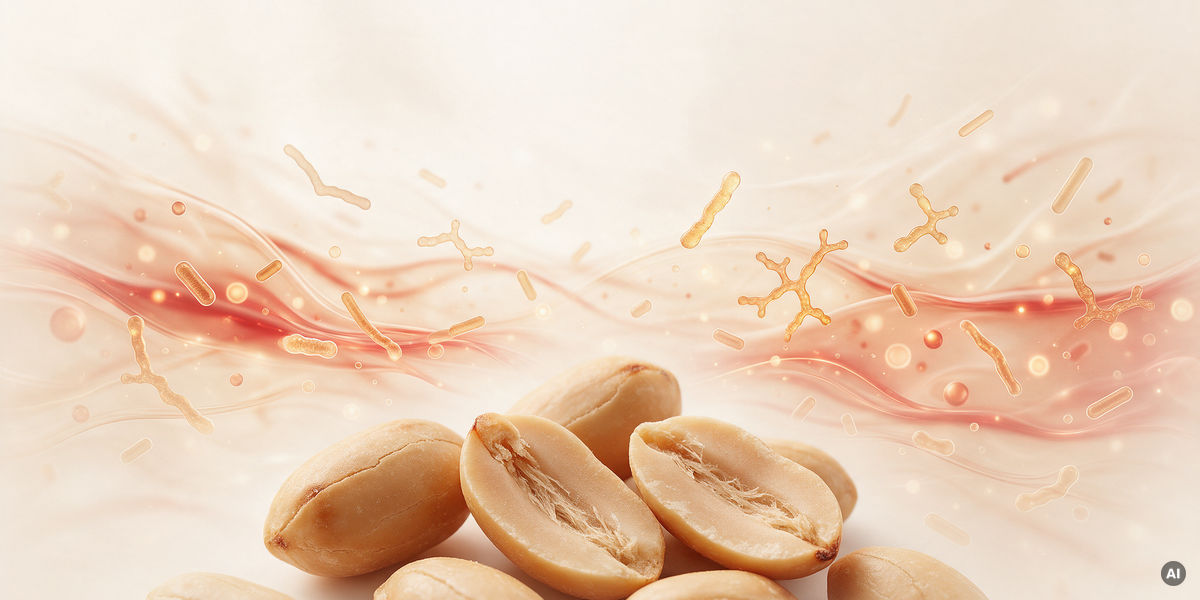
New findings from an intervention and cohort study suggest that the fatty acids provided by peanuts do more than just contribute calories. Researchers at the German Institute of Human nutrition Potsdam-Rehbruecke (DIfE), together with colleagues at the University of Barcelona, have demonstrated that a specific "Peanut Lipidomic Signature" (PeLS) is associated with a reduction in the risk of type 2 diabetes. The study was published in The American Journal of Clinical Nutrition, and reveals how peanut consumption triggers a measurable remodeling of the human lipidome.
Unhealthy dietary patterns are among the leading drivers of global health crisis, significantly contributing to rising rates of obesity, cardiovascular disease (CVD), and type 2 diabetes (T2D). Nutritional science has long established that the quality of fat in our diet is crucial for metabolic health. It has been shown, that reducing saturated fat intake, or replacing it with unsaturated fats, lower CVD and T2D risk by improving blood lipid profiles and reducing inflammation. While traditional blood lipid profiles focus on key markers like cholesterol, advanced lipidomics provides a comprehensive view of the entire circulating lipidome, uncovering specific changes in lipid classes.
Peanuts Have an Extraordinary Fatty Acid Profile
Saturated fatty acids (FA) are not a homogeneous group. Very long chain saturated fatty acids (VLCSFA) – comprising chains of more than 20 carbon atoms – are thought to exert unique metabolic effects. Serving as a primary dietary source of both VLCSFA and monounsaturated FA, peanuts – botanically classified as legumes – exhibit a unique and distinctive FA profile.

Prospective cohort studies have reported inverse associations between peanut consumption and the incidence and mortality of CVD. However, the mechanisms by which peanut intake alters the circulating lipidome – and the subsequent implications for cardiometabolic risk –remain poorly understood. Specifically, it remains unclear how peanut-induced lipidomic remodeling affects internal biological processes or whether these alterations provide significant protection against chronic diseases.
Integrating a Clinical Intervention with a Population-based Cohort
In collaboration with Spanish researchers from the University of Barcelona, DIfE-researchers Dr. Inés Domínguez-López and Prof. Matthias Schulze investigated how peanut consumption affects the lipid profile circulating in the blood – and whether those changes relate to a lower risk of T2D and CVD, with body mass index (BMI) acting as a potential mediator in this pathway.
They employed a dual-study approach, integrating data from two distinct sources to gain both precision and scale. First, they utilized data from the ARISTOTLE clinical trial, a six-month randomized controlled study where 63 healthy young adults aged 18-33 years consumed either 25 g/d skin-roasted peanuts, 32 g/d peanut butter, or 32 g/d control butter with peanut oil. This allowed the team to observe how blood lipids changed in response to peanut consumption.
Second, they combined these findings with the EPIC-Potsdam cohort, a large long-term study following over 27,000 individuals. EPIC-Potsdam included samples and data for new-onset T2D (774 cases) and CVD (545 cases).
Unveiling the Peanut Lipidomic Signature
Initially, researchers analyzed data from the dietary intervention to characterize its effect on circulating lipids. Following the peanut intervention, they found 51 within-class FA sums. By using plasma lipidome profiling via high-resolution mass spectrometry (‘deep lipidomics’), the research team was able to identify a unique ‘Peanut Lipidomic Signature’ (PeLS) – a specific biological fingerprint left in the blood lipids following peanut consumption. They observed that peanut consumption leads to a significant increase in VLCSFA, particularly C24:0 and C22:0. “This is not merely a simple increase in fat levels, but a complex "remodeling" of the lipidome”, explains first author Dr. Inés Domínguez-López. The study found that these fatty acids are preferentially incorporated into specific lipid classes, such as ceramides, a process driven by the coordinated activity of specific enzymes that elongate fatty acid chains.
"By characterizing this specific peanut lipid signature, we have uncovered a potential biological marker that links dietary fat quality to metabolic outcomes," explains Schulze.
The Role of Body Mass Index
To determine whether the observed lipid changes were associated with the incidence of T2D and CVD, the researchers utilized then samples and data from the EPIC-Potsdam study. The PeLS was associated with lower risk of T2D, but not CVD. A key finding of the study is the role of BMI in the relationship with T2D. DIfE-researchers found that the association between the peanut lipid signature and the reduced risk of T2D was largely explained by BMI. Domínguez- López points out: “This suggests that the positive metabolic effects of these specific peanut-derived lipids may be linked to their ability to support a healthier body weight or stabilize metabolic processes related to adiposity.”
Peanuts: A Component of a Healthy Diet
For the general public, these findings offer a practical and accessible dietary strategy. Unlike many expensive "superfoods," peanuts are a widely available and affordable food source. The ability to identify a specific "healthy" lipid signature in the blood suggests that incorporating peanuts into a balanced diet could be a simple, effective tool in the global effort to prevent T2D and improve metabolic health through nutrition.
Background Information
The ARISTOTLE study is a randomized controlled trial conducted at the University of Barcelona in which 63 healthy adults aged 18-33 years consumed for 6 months either skin-roasted peanuts, peanut butter, or a control butter made from peanut oil in addition to their usual diet. Fasting blood samples and data on sociodemographic and lifestyle factors were collected at baseline and after 6 months.
The EPIC-Potsdam Study is part of the European Prospective Investigation into Cancer and Nutrition (EPIC). Between 1994 and 1998, 27,548 women and men between the ages of 35 and 65 from the Potsdam population were enrolled in the cohort. In addition to dietary and lifestyle data, blood samples and anthropometric measurements, among other things, were collected. Participants were then followed up regularly.
Lipidomics is a metabolomics technique that can measure a wide range of the lipids circulating in the blood. In blood plasma, the lipids are first separated into their different classes, and mass spectrometry then identifies and quantifies the individual lipids, which allows to distinguish similar lipids.
Original publication



Other news from the department science















Most read news









More news from our other portals






















See the theme worlds for related content
Topic World Mass Spectrometry
Mass spectrometry enables us to detect and identify molecules and reveal their structure. Whether in chemistry, biochemistry or forensics - mass spectrometry opens up unexpected insights into the composition of our world. Immerse yourself in the fascinating world of mass spectrometry!

Topic World Mass Spectrometry
Mass spectrometry enables us to detect and identify molecules and reveal their structure. Whether in chemistry, biochemistry or forensics - mass spectrometry opens up unexpected insights into the composition of our world. Immerse yourself in the fascinating world of mass spectrometry!