BII allocates 8 million euros to further support six promising companies
With 1.3 million euros each, technologies in oncology, inflammation and infection therapy, and other fields are to be brought to market readiness
Advertisement


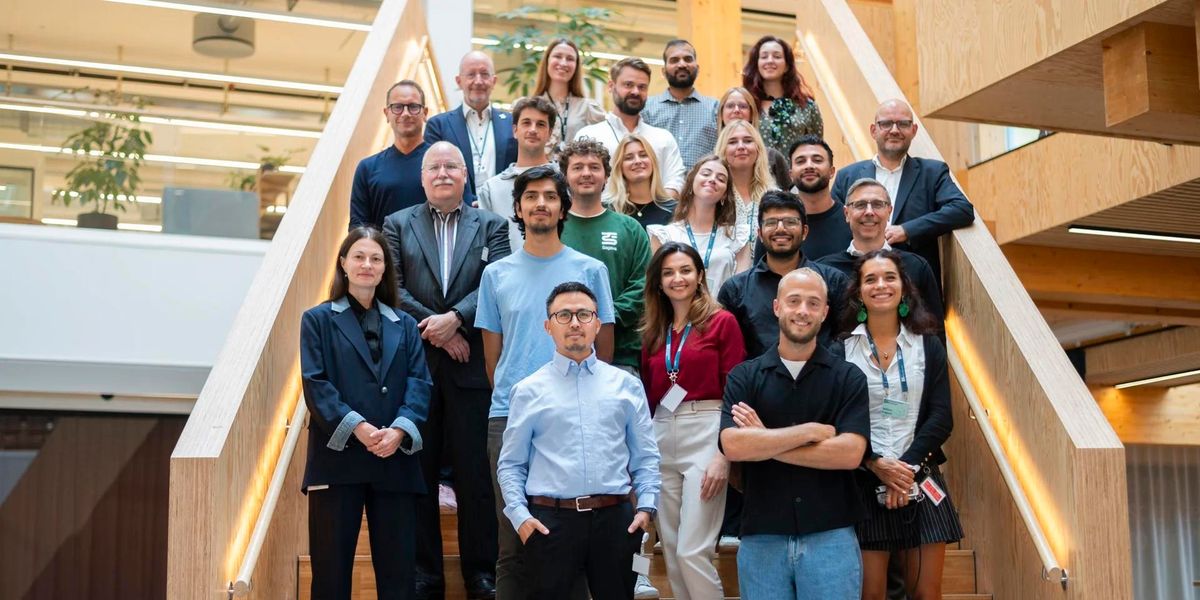
BioInnovation Institute (BII) announces that six promising companies will receive additional funding of EUR 1.3M each. The new funding will help the companies mature their technologies, strengthen their businesses and take the next steps towards commercial application.
The six companies – PanTarg, 3Sonic, Inia Biosciences, Yngvi Bio, Proxi Biotech and Sagava – have all previously received EUR 0.5M in funding from BII. With the new funds allocated, each company has now received a total of EUR 1.8 million from BII.
The continued funding also comes with access to BII’s internationally recognized innovation platform in the heart of Copenhagen. Here, the companies gain access to advanced laboratory facilities, a global network of investors, advisors and strategic partners, as well as expertise in business development and commercialisation.
According to Trine Bartholdy, Chief Business Officer at BII, the companies have now reached an important stage in their development.
“The six companies have demonstrated strong potential and have already taken important steps from promising research to developing solutions that can make a real difference. With continued funding, they have the opportunity to accelerate their development and focus even more on their path towards the market.”
BII’s ambition is not only to provide funding, but also to give the companies the right framework and expertise to develop into strong, international businesses.
“It is precisely at this stage that the combination of capital, strong expertise and the right network can make a decisive difference. We see significant potential in all six companies, and our role is to help them turn their technologies into sustainable businesses and products that can create value for patients, society and investors,” says Trine Bartholdy.
With the new funding, the six companies are better positioned to further develop their technologies, attract additional external capital and bring their solutions closer to commercial market application.
The six companies receiving additional financial support from BII are:
- PanTarg is developing a new type of antibody-based cancer treatment that combines two targeted attacks in a single therapy. The company’s technology is particularly aimed at aggressive cancers, including pancreatic cancer, where there remains a significant need for more effective treatments. PanTarg is a spin-out from the University of Copenhagen and Rigshospitalet, founded by researchers Lars H. Engelholm and Virginia Metrangolo. The company is also a partner in a major research project for the period 2026–2030, supported by the Innovation Fund Denmark, focusing on enabling drugs to cross the blood-brain barrier.
- 3Sonic is developing a new imaging technology based on 3D ultrasound and artificial intelligence, designed to enable surgeons to assess cancer tissue in real time during surgery. The aim is to increase the precision of cancer surgery and improve patient outcomes. 3Sonic is a spin-out from Rigshospitalet and the Technical University of Denmark (DTU).
- Inia Biosciences is developing new treatments for inflammatory diseases, with psoriasis as its initial focus. The company is working to transform the treatment of inflammation and develop more effective therapeutic solutions for patients suffering from inflammatory diseases. Inia Biosciences originally emerged from the innovation ecosystems in Boston and Oxford.
- Yngvi Bio is developing biological solutions to combat agricultural pests. Through targeted pest control, the company aims to protect crops while reducing the impact on biodiversity, the environment and human health. The goal is to contribute to a more sustainable food production system. Yngvi Bio is a spin-out from the University of Copenhagen.
- Proxi Biotech is developing a novel vaccine-based immunotherapy for recurrent bacterial infections. The company’s lead candidate targets recurrent infections caused by
- Sagava is working to reduce CO₂ emissions from the maritime sector by converting waste into sustainable biofuels and energy. The company’s technology aims to help decarbonise shipping by utilising waste resources to produce biogenic fuels. Sagava is a spin-out from the Technical University of Denmark (DTU).


Other news from the department business & finance














Most read news










More news from our other portals



















Something is happening in the life science industry ...
This is what true pioneering spirit looks like: Plenty of innovative start-ups are bringing fresh ideas, lifeblood and entrepreneurial spirit to change tomorrow's world for the better. Immerse yourself in the world of these young companies and take the opportunity to get in touch with the founders.
See the theme worlds for related content
Topic world Antibodies
Antibodies are specialized molecules of our immune system that can specifically recognize and neutralize pathogens or foreign substances. Antibody research in biotech and pharma has recognized this natural defense potential and is working intensively to make it therapeutically useful. From monoclonal antibodies used against cancer or autoimmune diseases to antibody-drug conjugates that specifically transport drugs to disease cells - the possibilities are enormous

Topic world Antibodies
Antibodies are specialized molecules of our immune system that can specifically recognize and neutralize pathogens or foreign substances. Antibody research in biotech and pharma has recognized this natural defense potential and is working intensively to make it therapeutically useful. From monoclonal antibodies used against cancer or autoimmune diseases to antibody-drug conjugates that specifically transport drugs to disease cells - the possibilities are enormous