Known copper compound shows activity against Alzheimer’s-typical protein deposits
Cu(ATSM) is already being clinically tested for Parkinson’s disease and ALS and could be rapidly advanced into Alzheimer’s clinical care
Advertisement


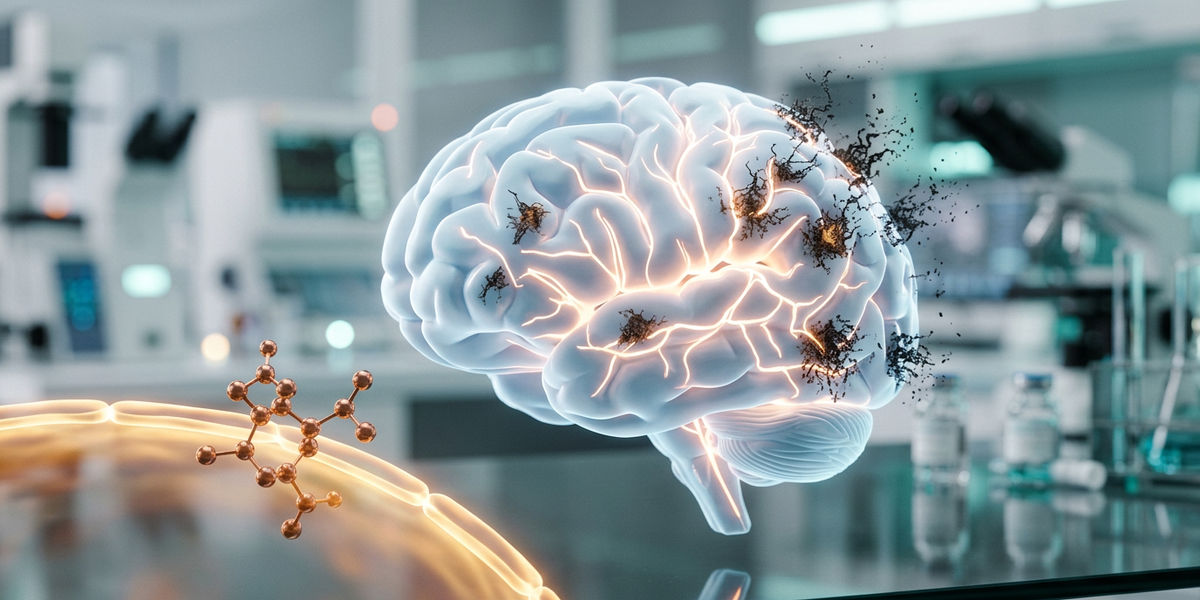
Monash University researchers have found in laboratory experiments that a drug which delivers copper to the brain significantly reduces toxic Alzheimer's proteins and improves long-term spatial memory.
The study, published today in the journal ACS Chemical Neuroscience, shows the compound Cu(ATSM) repairs a vital waste-clearing pump at the blood-brain barrier – unlocking a potential new avenue of therapeutics targeting neurovascular dysfunction, caused by one of the world's leading causes of death.
Alzheimer's is driven by the buildup of toxic proteins called amyloid-beta. Normally, the brain flushes these out into the bloodstream through the blood-brain barrier. In Alzheimer's, the pumps doing the heavy lifting, called P-glycoprotein (P-gp), weaken significantly, clogging the drain and trapping the toxic proteins in the brain.
Lead author Dr Jae Pyun, from the Drug Delivery, Disposition and Dynamics theme at Monash Institute of Pharmaceutical Sciences (MIPS), whose work on the study marked the final part of his PhD project, said the treatment successfully engages the brain's blood vessels to lower toxic protein levels, which results in behavioural benefits.
"This is the first study to show that Cu(ATSM) can increase the abundance of P-gp clearance pumps in an Alzheimer's model, by 24.1 per cent, effectively linking the repair of the blood-brain barrier to a reduction in toxic proteins and improved cognitive function," Dr Pyun said.
"By improving the pumps, the brain can finally clear out the trapped waste. Over 56 days, the treatment reduced toxic amyloid-beta by 42 per cent and improved spatial learning by nearly 44 per cent."
Senior author Professor Joseph Nicolazzo, the Director of the Centre for Drug Candidate Optimisation at MIPS, said the compound has strong potential to quickly transition into human clinics because it has already undergone safety evaluations for other diseases.
"Cu(ATSM) is a copper compound with anti-inflammatory and neuroprotective properties that has already progressed to clinical testing for conditions like Parkinson's and ALS," Professor Nicolazzo said.
"Because reducing amyloid burden is clinically proven to improve functional outcomes, these preclinical results strongly support the rationale for testing this drug in early symptomatic Alzheimer's disease."
While the compound reduced amyloid buildup, researchers are still mapping the exact biological routes the proteins take to leave the brain. Beyond repairing the blood-brain barrier, the researchers suspect the copper treatment may empower the brain's own immune cells, called microglia, to consume and degrade the toxic plaques.
Original publication
Jae Pyun, Asif Noor, Pranav Runwal, Celeste Mawal, Oliver K. Fuller, Casey L. Egan, Mark A. Febbraio, Paul S. Donnelly, Jennifer L. Short, Ashley I. Bush, Joseph A. Nicolazzo; "Cu(ATSM) Restores Blood–Brain Barrier Abundance of P-Glycoprotein and Improves Cognitive Function in the APP/PS1 Mouse Model of Alzheimer’s Disease"; ACS Chemical Neuroscience, 2026-5-30



Other news from the department science