Growing Muscles for Research
New laboratory system develops three-dimensional miniature models of human muscle tissue
Advertisement


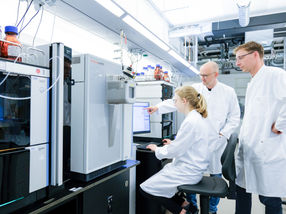
A major boost for neuromuscular research at BG Bergmannsheil University Hospital: The Department of Neurology, together with the Heimer Institute for Muscle Research, has introduced a state-of-the-art laboratory system. This system enables the production of so-called muscle organoids. These are three-dimensional miniature models of human muscle tissue that very precisely mimic the structure and function of real muscles. Using them, researchers can study disease mechanisms and new therapies for muscle disorders in a highly realistic manner.
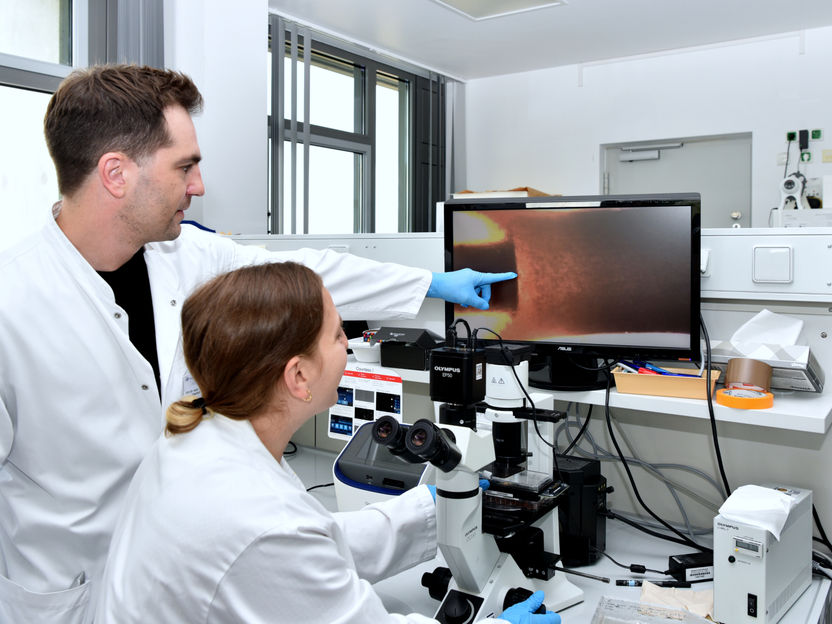
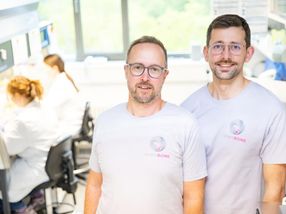
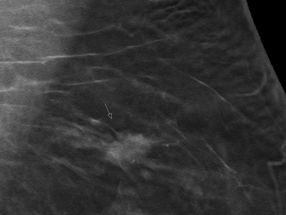
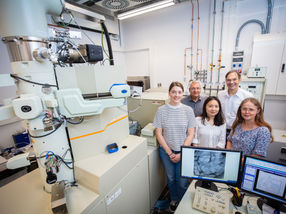
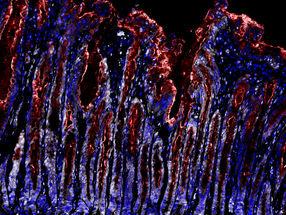
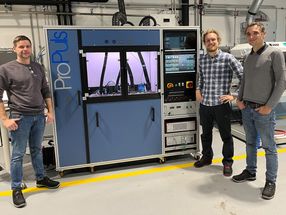
PD Dr. Felix Kleefeld and Dr. Nassam Daya are showing a microscopic image of a muscle organoid.
BG Universitätsklinikum Bergmannsheil
Neuromuscular disorders are extremely diverse; they can manifest as muscle weakness, pain, or paralysis. For many forms of these disorders, the underlying causes are unknown, and effective treatments are often unavailable. The Department of Neurology and Polyclinic at Bergmannsheil (Director: Prof. Dr. Tobias Ruck), together with the affiliated Heimer Institute for Muscle Research, has specialized in researching these conditions for many years. A new laboratory system is now taking research capabilities at Bergmannsheil to the next level.
Measuring Muscle Movements in a Miniature Model
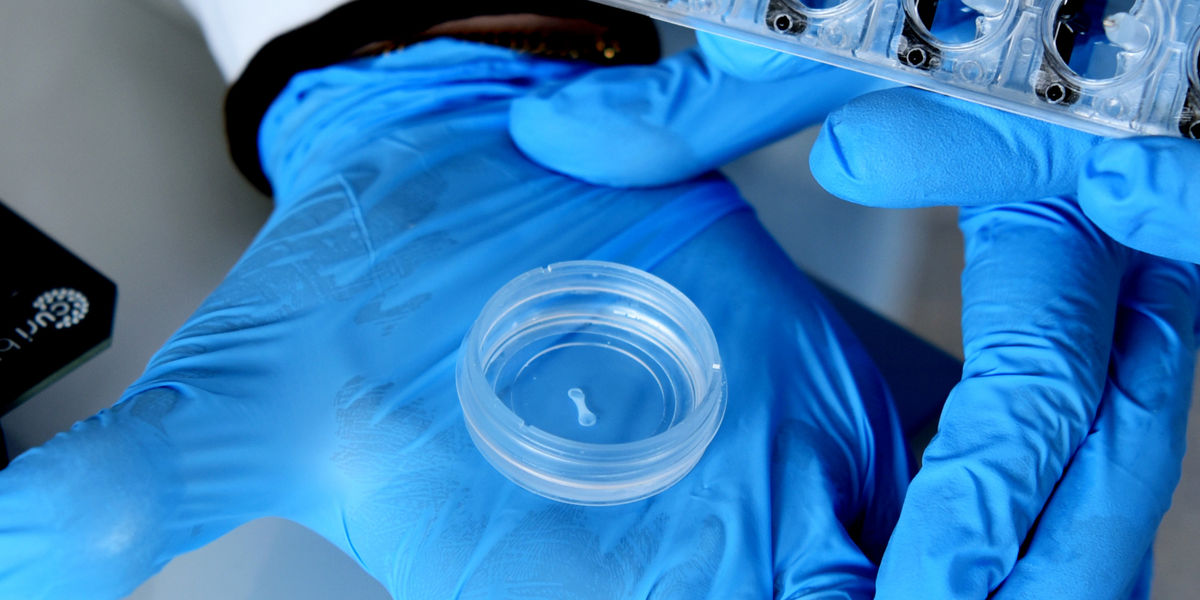
“Thanks to the new equipment, we can cultivate small tissue fragments that closely resemble human muscle tissue in both structure and function,” explains Priv.-Doz. Dr. Felix Kleefeld, senior physician at the Neurological Clinic. “Unlike simple cell cultures, which are two-dimensional, modern muscle organoids have a three-dimensional structure and therefore more closely resemble the natural structure.” However, cultivating such organoids is technically challenging. First, muscle stem cells are obtained from a human donor or from patients via a tissue sample (muscle biopsy). These are then cultured in the laboratory. The cells are then differentiated three-dimensionally within a gel-like structure—with a consistency similar to gelatin—into mini-muscles (organoids) approximately five millimeters in size.
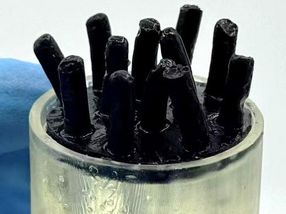
What makes the new system unique is that the muscle organoids are stretched between two rods and can generate force just like real muscles. These organoids can be stimulated to cause the tissue to contract. One of the rods in each pair, between which the tissue is stretched, is magnetic. A sensor detects even the slightest movements of the muscle organoid. The measurement results from these movements provide highly precise data on how well the artificial muscles function and how they respond to stress, medications, or genetic modifications.
Understanding Disease Processes in Human Tissue
“With this technology, we can, for the first time, track disease processes directly in human tissue,” says Dr. Kleefeld. “This opens up entirely new possibilities for us to develop innovative therapies and precisely test their effectiveness.” Fundamentally, the system also supports the concept of personalized medicine. This is because the use of organoids derived from a patient’s own stem cells makes it possible to replicate individual disease progression and identify tailored therapeutic approaches. This approach plays a particularly important role in the context of rare diseases.
The purchase cost for the “Mantarray” laboratory system amounted to approximately 200,000 euros. It is being used in the research laboratory of the Heimer Institute for Muscle Research at the Bergmannsheil Neurological Clinic. “The new equipment strengthens Bergmannsheil’s profile as a high-performing center for innovative muscle research with supraregional influence,” says Prof. Dr. Tobias Ruck, Director of the Neurological Clinic at Bergmannsheil.
Note: This article has been translated using a computer system without human intervention. LUMITOS offers these automatic translations to present a wider range of current news. Since this article has been translated with automatic translation, it is possible that it contains errors in vocabulary, syntax or grammar. The original article in German can be found here.


Other news from the department science