QIAGEN to advance AI-driven drug discovery with graph-based AI and curated bioinformatics knowledge with NVIDIA
Goal to advance how disease mechanisms, therapeutic targets and biomarkers are identified
Advertisement


QIAGEN announced that the QIAGEN Digital Insights bioinformatics business and its curated knowledge bases and bioinformatics expertise will be integrating NVIDIA accelerated computing and the NVIDIA BioNeMo platform to help researchers use AI more effectively in drug discovery.
The integration is designed to help pharmaceutical and biotechnology researchers better understand disease biology, identify promising therapeutic targets and uncover biomarkers that can support faster and more effective development of new medicines.
Drug discovery depends on connecting large amounts of complex biological information, including genes, diseases, pathways, compounds and clinical evidence. For many research teams, the challenge is finding the most relevant connections amid increasing amounts of data to understand why they matter and assess whether an AI-generated insight is supported by credible biology.
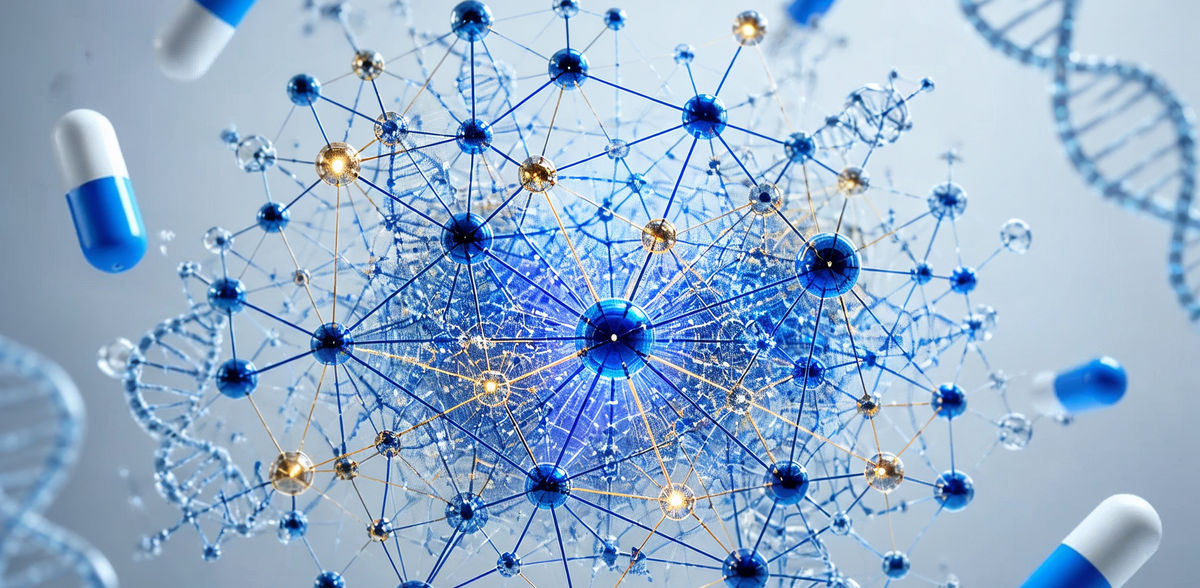
QIAGEN and NVIDIA are working to address this challenge through graph-based AI. This approach applies retrieval and reasoning techniques over biomedical knowledge graphs, allowing researchers to explore evidence across biological systems and supporting a path toward agentic, multi-step workflows for drug discovery.
“QIAGEN Digital Insights has spent more than 25 years building the biomedical knowledge foundation that researchers rely on to interpret complex biology,” said Nitin Sood, Senior Vice President and Head of Product Portfolio & Innovation at QIAGEN. “Through this collaboration with NVIDIA, we can accelerate the impact of that knowledge by combining it with advanced AI to help customers improve critical steps in drug discovery, from target identification to biomarker research and hypothesis generation.”
The collaboration is designed to support practical applications across the drug discovery lifecycle, including target identification and validation, drug repurposing, biomarker discovery, pathway analysis and hypothesis generation from multi-omics data. By combining curated biomedical knowledge, graph-based AI and accelerated computing, QIAGEN aims to help research teams move from complex data to better-informed discovery decisions.
Initial pilot programs will be made available to select pharmaceutical and biotechnology partners, with broader availability of these new solutions expected following validation.


Other news from the department research and development