Individual differences in genetic make some therapies ineffective
Advertisement


The genome differs from person to person in thousands of positions. In some cases, this means that proteins also have a different building block in some places. This can lead to certain antibody-based therapies not working, report researchers at the University of Basel.
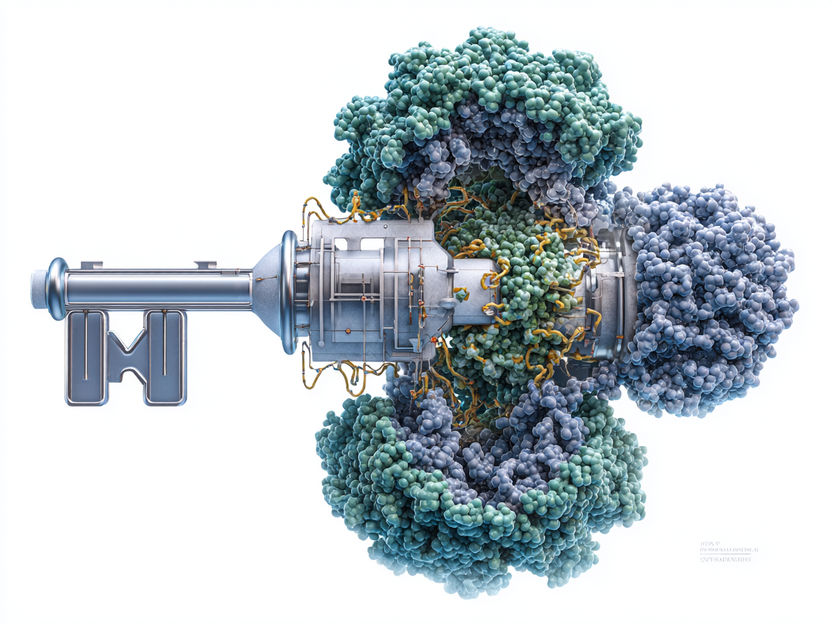
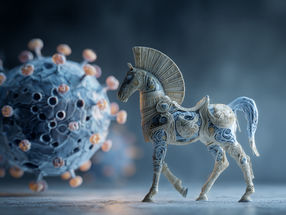
Symbol image
AI-generated image
Whether against cancer, rheumatism or multiple sclerosis: antibody-based therapies are used for many diseases. Antibodies recognize very specific structures and bind to them. In this way, for example, they can deliver active substances to exactly the right target structure in the body.
Researchers from the Department of Biomedicine and the Biozentrum at the University of Basel have now reported their findings in "Science Translational Medicine": Individual differences in genetic makeup can prevent antibody-based therapies from working in some people.
Variations are more common than expected
The research team led by Dr. Rosalba Lepore and Prof. Dr. Lukas Jeker analyzed genetic sequences of thousands of people from previously published studies using computer-assisted methods. The DNA sequence contained in the genome determines the sequence of the amino acid building blocks of proteins. Genetic variations can therefore also lead to an altered amino acid sequence. The researchers focused on amino acids at the docking sites of established antibody therapies. In specialist circles, the docking sites of antibodies are also known as epitopes.
A single exchanged amino acid in the epitope can mean that the antibody can no longer dock. In total, the team examined the binding sites of 87 therapeutic antibodies that are used for cancer therapies or autoimmune diseases, among other things.
The team discovered a surprisingly large number of naturally occurring variants of the amino acid sequence in epitopes. "These variants do not themselves contribute to the disease," emphasizes Rosalba Lepore. "Most of them also do not impair the function of the affected protein. But they can make the therapy ineffective."
Switching to other antibodies
The researchers used computer models to calculate which of the variants could hinder the binding of the antibodies. The researchers then tested the predictions for four medically important target proteins and the corresponding antibodies. The team tested several therapeutic antibodies for each of the analyzed proteins. The laboratory experiments showed that often one antibody could no longer bind, while another antibody that docked to a slightly different site on the target protein did.
The proportion of patients in whom such a variant occurs and prevents the effectiveness of the therapy is relatively small. For the majority of variants, less than one in a hundred people are affected. Nevertheless, Lukas Jeker is convinced: "It is important that doctors think about this aspect when a therapy is not working."
In addition, many antibody-based therapies are very expensive, such as CAR-T cells, which are used to treat certain types of cancer. "A genetic test to determine whether the therapy can work at all would be a small cost item in comparison," says Dr. Romina Marone, co-first author of the study. This would also be relevant for new therapies, adds Rosalba Lepore: "For clinical trials, it may be worthwhile to first test the binding site of the antibody therapy in the participants."
More frequent variants depending on the region of the world
Another finding from the analyses is that certain variants in target proteins occur very rarely in Europe, for example. However, they occur more frequently in other regions of the world, making them clinically relevant.
"There is still much less genome sequence data for some regions of the world than for Europe or North America," explains bioinformatician Rosalba Lepore. "As a result, we may be overlooking an accumulation of such therapy-relevant variants in certain population groups." There is a lot of catching up to do here.
Note: This article has been translated using a computer system without human intervention. LUMITOS offers these automatic translations to present a wider range of current news. Since this article has been translated with automatic translation, it is possible that it contains errors in vocabulary, syntax or grammar. The original article in German can be found here.
Original publication
Other news from the department science