AI-supported molecular cancer diagnosis for brain tumors

Advertisement


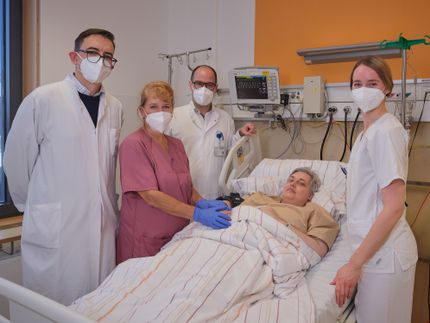
Researchers at the Hopp Children's Tumor Center Heidelberg (KiTZ), the German cancer research Center (DKFZ), the Heidelberg Medical Faculty (MFHD) of Heidelberg University and Heidelberg University Hospital (UKHD) have taken a decisive step towards more precise diagnosis of brain tumors. The latest version of the globally used AI-based "Heidelberg CNS Tumor Methylation Classifier" recognizes over 180 tumor types, twice as many as the previous version. This further development helps doctors to identify tumors of the central nervous system (CNS) more precisely - and thus to plan therapies in a more targeted and gentle manner.
For a long time, the view through the microscope alone was decisive for cancer diagnosis and, until recently, most brain tumors were classified into tumor groups mainly on the basis of their microscopic characteristics. In the meantime, additional molecular analyses have become a central pillar of modern diagnostics in neuro-oncology. According to the World Health Organization (WHO), they are listed as a desirable or even indispensable method for the precise classification of different tumor types.
The so-called "Methylation Classifier" is an AI-based method that evaluates tiny chemical changes on the surface of the genetic material, so-called DNA methylations, to determine the origin and type of a tumor. "These epigenetic traces are like a molecular fingerprint and allow a clear assignment of tumors of the central nervous system, of which there are more than 100 subtypes," says Felix Sahm, Professor of Neuropathology at the Medical Faculty Heidelberg of Heidelberg University, Deputy Medical Director of the Department of Neuropathology at Heidelberg University Hospital (UKHD), scientist at KiTZ and one of the two lead authors of the study.
In the new version 12.8, the "classifier" was trained on the basis of around 7,500 tumor samples - almost three times as many as in the previous version. The number of recognizable tumor types increased from 91 to 184 thanks to close collaboration with over 100 clinics and research institutions worldwide and data from an online platform on which neuropathologists share their analyses.
Originally developed at the Hopp Children's Tumor Center Heidelberg (KiTZ), the German Cancer Research Center (DKFZ) and the Heidelberg Medical Faculty (MFHD) of Heidelberg University and Heidelberg University Hospital (UKHD), the method uses a branch of AI known as machine learning to automatically analyze the methylation patterns of tumor samples. It provides a probability assessment for each result. This allows pathologists to assess how reliable the diagnosis is.
The clinical potential of the method was demonstrated in the analysis of childhood tumors from different patient cohorts: by combining the molecular data with classic tissue analyses, previously misclassified cases could be corrected. Some tumors that were previously classified as malignant were actually less aggressive and therefore the affected children had a better chance of survival than initially assumed.
"In such cases, treatment could also be gentler," emphasizes David Jones, Head of Department at the KiTZ and DKFZ. "This means that the method can help to identify tumors more accurately, improve treatment decisions and assess the prognosis of patients with CNS tumors more reliably."
The AI-supported method was first published in the renowned journal "Nature" in 2018 and made accessible worldwide free of charge via the online platform. Since then, the Heidelberg "Classifier" has been used by pathologists worldwide. Over 160,000 brain tumor samples from all continents have been analyzed to date.
After the Methylation Classifier could initially only be used for research purposes, it was made available worldwide as a diagnostic procedure in 2022 by the spin-off Heidelberg Epignostix GmbH. In addition, an international consortium was founded to make the entire process - from data generation to AI-based analysis - available in low-income countries worldwide.
Note: This article has been translated using a computer system without human intervention. LUMITOS offers these automatic translations to present a wider range of current news. Since this article has been translated with automatic translation, it is possible that it contains errors in vocabulary, syntax or grammar. The original article in German can be found here.


Other news from the department science







Most read news






More news from our other portals














Something is happening in the life science industry ...
This is what true pioneering spirit looks like: Plenty of innovative start-ups are bringing fresh ideas, lifeblood and entrepreneurial spirit to change tomorrow's world for the better. Immerse yourself in the world of these young companies and take the opportunity to get in touch with the founders.