Mushroom processes carrot scraps into tasty protein
Mycelia of the rose side fungus as a sustainable and high-quality source of protein
Advertisement


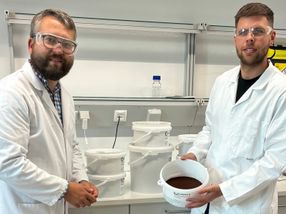
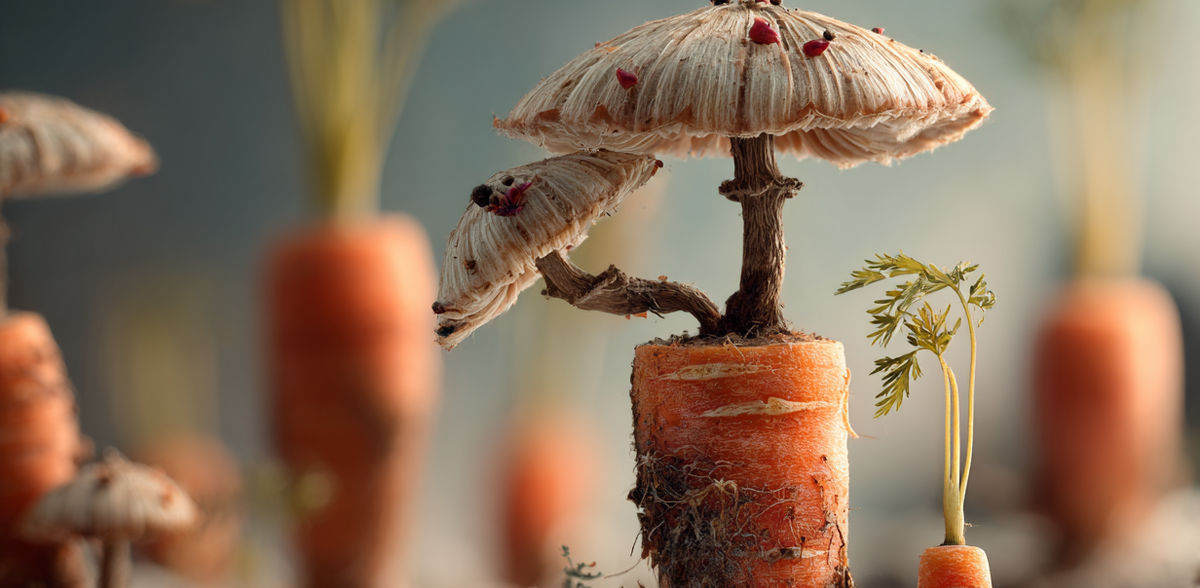
mushrooms that grow on carrot residues can serve as a sustainable and tasty source of protein. This is shown by a study conducted by researchers from Justus Liebig University Giessen (JLU) and the Technical University of Central Hesse (THM): vegan patties and sausages made with the high-quality mushroom protein tasted better to the test eaters than products made from plant-based proteins. The study was published in the "Journal of Agricultural and Food Chemistry" in the special issue "Upcycling food waste into Value-Added Natural Foods and Ingredients" of the American Chemical Society (ACS). Researchers from the working groups of Dr. Martin Gand at the Institute of food chemistry and Biotechnology at JLU and Prof. Dr.-Ing. habil. Denise Salzig, Professor of Process Analytics in Bioprocess Engineering and Pharmaceutical Processes at THM.
As the world's population continues to grow and many people are still going hungry, the need for nutrient-rich foods and sustainable and efficient production processes is increasing. One possibility is edible fungi, which can grow on a variety of organic residues that accumulate in considerable quantities during food production - for example apple pomace from the production of apple juice and whey from cheese production. Carrot residues, for example from the production of natural dyes, can also be a substrate for fungal growth, as the study shows. "They contain valuable nutrients that we wanted to use for human nutrition," explains Dr. Gand. Instead of harvesting the fruiting bodies of the fungi, the researchers focused on the root-like mycelia, which require less time and space to grow but still produce essential nutrients.
First, they grew over 100 strains of fungi on the remains of orange and black carrots, which are left over from the production of natural dyes at the company GNT Europa GmbH. This enabled them to identify which mushroom grew best and had the highest protein content. The winner was Pleurotus djamor, also known as the pink oyster mushroom or rose mushroom. The researchers further optimized the growth conditions to improve yields. This enabled them to produce proteins that were similar to those of animal and plant proteins, i.e. of high nutritional value. In addition, the mycelia of the rose side fungus proved to be low in fat.
Another important aspect: the mycelia are tasty. The researchers used them to make vegan patties. They replaced the typical soy protein content with different proportions of mycelia. Volunteers who tasted these dishes rated them according to characteristics such as texture, taste and smell. The patties in which all the soy protein had been replaced by mycelia tasted best. The volunteers then tasted vegan sausages made with either soaked chickpeas or fresh mycelia. Here too, the sausages with the mycelia performed better in terms of smell and taste.
"The results suggest that fungal mycelia are a sustainable and tasty source of protein that can also offer similar nutritional benefits to plant proteins," says Dr. Gand. "As food-grade by-products are used here to produce high-quality proteins, there is no need for additional farming to promote food security. This reduces the environmental impact."
Note: This article has been translated using a computer system without human intervention. LUMITOS offers these automatic translations to present a wider range of current news. Since this article has been translated with automatic translation, it is possible that it contains errors in vocabulary, syntax or grammar. The original article in German can be found here.
Original publication


Other news from the department science