The Algemists: Research Team Uses Microalgae to Treat Wastewater and Produce Sustainable Raw Materials
Advertisement


A microscopic algae that serves as a wastewater treatment plant, a CO₂ sink, and a source of raw materials all at once? A research team at Darmstadt University of Applied Sciences (hda) aims to make this a reality. The idea: In the future, microalgae could purify industrial wastewater, sequester climate-damaging carbon dioxide, and simultaneously provide valuable algal oil. To this end, the researchers are developing a biological system that combines all these functions.
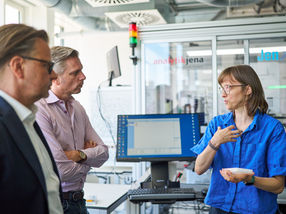
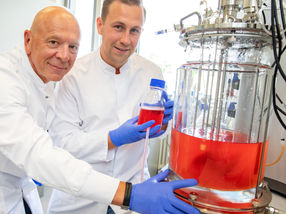
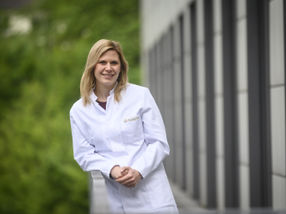
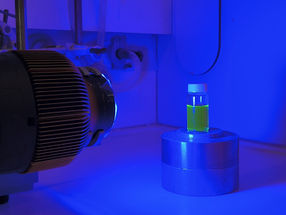
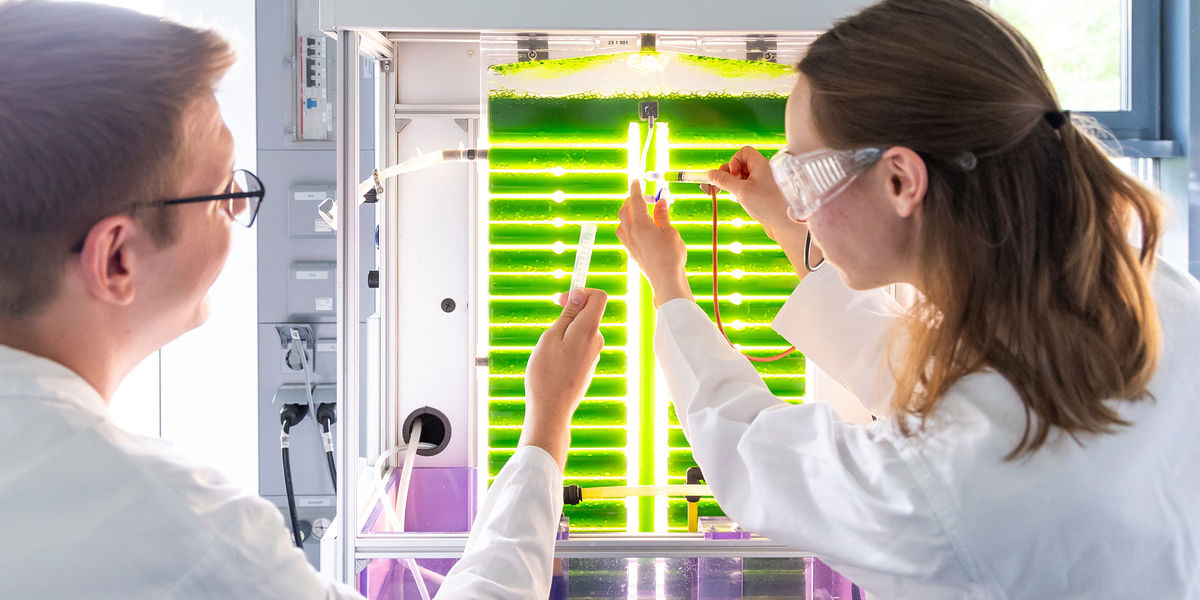
The focus is on the single-celled freshwater algae Tetradesmus lagerheimii. It is cultivated in bright green photobioreactors at the technical facility of the Department of Chemistry and Biotechnology at hda. There, Prof. Dr. Rüdiger Graf, doctoral candidate Samira Reuscher, and Dr. Gerd Klock, a research associate in the department, are working together with partners from the paper industry and TU Darmstadt to investigate how microalgae can be used in the future in wastewater treatment plants or industrial facilities.
“We’re one step ahead of the Surprise Egg,” notes Prof. Dr. Rüdiger Graf, explaining the unusual comparison: “The Surprise Egg has three selling points—excitement, a toy, and chocolate. We use solar energy to build up biomass, sequestering CO₂ in the process and treating wastewater. And then there’s a fourth benefit: we produce valuable algal oils.”
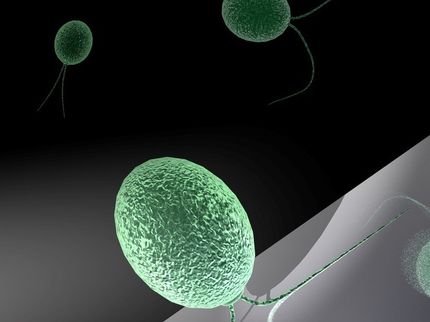
The project focuses on the treatment of industrial wastewater. Although it meets all legal requirements, small amounts of endocrine-disrupting substances may still remain. This is where microalgae come into play: They can absorb these substances, accumulate them, and, in the best-case scenario, even break them down completely. “Although the exact molecular mechanisms have only been partially investigated so far,” explains doctoral candidate Samira Reuscher, “we do know that it works: Microalgae filter endocrine-disrupting substances out of the wastewater.”
However, this doesn’t happen without side effects. Through their metabolism, the algae release organic compounds that degrade water quality. To solve this problem, the researchers are relying on a natural division of labor within the algae reactor: Various bacterial strains are added to the algal cultures and break down the unwanted metabolic byproducts. “In nature, algae also coexist with other organisms,” explains Dr. Gerd Klock. “The different organisms have to adapt to one another.”
The microalgae use sunlight and carbon dioxide to grow; they sequester CO₂ and multiply rapidly in the process, thereby forming biomass. And this biomass is not only the basis for treating wastewater but also for the second benefit of the research project: the production of algae oils.
Under ideal conditions, the algae invest their energy primarily in growth. Only when they are deliberately subjected to stress—such as nutrient deficiency or reduced light—do they alter their metabolism and store energy reserves in the form of lipids. These highly sought-after algal oils can be used, among other things, to produce biofuels. Unlike corn or rapeseed, these versatile algae do not require any farmland for this purpose. “You have to stress the algae so that they understand: Now I have to produce lipids instead of continuing to divide,” says Prof. Dr. Rüdiger Graf, describing the approach. The researchers’ goal is to find the right balance: to produce as much biomass as possible while maintaining high oil production.
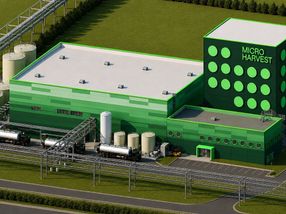
The process is not yet economical enough for large-scale application. “That’s why we’re working intensively to reduce, among other things, the energy requirements during the cultivation process,” says Graf. For the research team, however, the technology’s potential is beyond question: In the future, modular algae plants could be connected directly to industrial facilities or wastewater treatment plants. There, they would treat wastewater, utilize carbon dioxide, and simultaneously produce renewable raw materials—an innovation with many benefits for the environment and industry. The collaborative project is funded by the Federal Ministry for Economic Affairs and Energy.
Note: This article has been translated using a computer system without human intervention. LUMITOS offers these automatic translations to present a wider range of current news. Since this article has been translated with automatic translation, it is possible that it contains errors in vocabulary, syntax or grammar. The original article in German can be found here.


Other news from the department science