Cardinal Health Receives Patent For Mammalian Cell Genetic Engineering Technology
Advertisement


Cardinal Health announced it has been granted its first patent for an innovative technology that will help in the mass production of biopharmaceuticals. The company received U.S. Patent No. 6,852,510, entitled "Host Cells Containing Multiple Integrating Vectors", for its gene product Expression technology platform. The technology, which Cardinal Health makes available to its customers for the development of their proprietary biomolecules, is marketed under the trademark "GPExTM".
Cardinal Health's GPEx technology enables rapid genetic engineering of stable mammalian cell lines. These cell lines are used to produce recombinant human proteins and antibodies. Many of these biopharmaceuticals are either on the market or in development to treat various cancers, arthritis, metabolic diseases, Alzheimer's disease, etc. In addition to enabling rapid cell line development and availability of candidate gene products, the GPEx technology is well suited for both efficient pilot and large-scale production of antibodies and other therapeutic recombinant proteins.
Through insertion of multiple copies of the gene(s), GPEx can generate, in as little as half the time required using traditional methods, stable cell lines that exhibit significantly higher levels of expression than those cell lines generated by other methods. For example, Cardinal Health can take the gene for a protein that is believed to treat a various cancer, and generate a cell line that expresses that protein. This protein is then isolated from the cell culture media after the cell line is grown and has expressed and secreted the protein.
Cardinal Health has integrated the GPEx cell line engineering technology with clinical scale mammalian cell culture manufacturing to provide a more rapid way for its clients to get biopharmaceutical products, such as monoclonal antibodies, into clinical development.



Other news from the department research and development














These products might interest you





Most read news









More news from our other portals
















See the theme worlds for related content
Topic world Cell culture technology
Cell culture technology is a central pillar in biotechnological and pharmaceutical research and development. It enables the growth and maintenance of cells under controlled laboratory conditions, providing a window into the molecular and cellular processes of life.

Topic world Cell culture technology
Cell culture technology is a central pillar in biotechnological and pharmaceutical research and development. It enables the growth and maintenance of cells under controlled laboratory conditions, providing a window into the molecular and cellular processes of life.
Topic world Antibodies
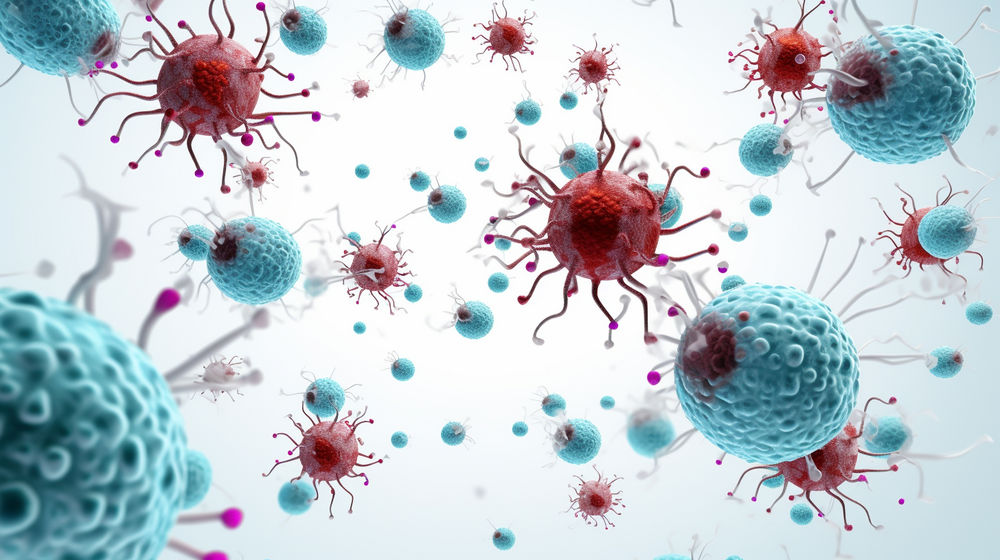
Antibodies are specialized molecules of our immune system that can specifically recognize and neutralize pathogens or foreign substances. Antibody research in biotech and pharma has recognized this natural defense potential and is working intensively to make it therapeutically useful. From monoclonal antibodies used against cancer or autoimmune diseases to antibody-drug conjugates that specifically transport drugs to disease cells - the possibilities are enormous
Topic world Antibodies
Antibodies are specialized molecules of our immune system that can specifically recognize and neutralize pathogens or foreign substances. Antibody research in biotech and pharma has recognized this natural defense potential and is working intensively to make it therapeutically useful. From monoclonal antibodies used against cancer or autoimmune diseases to antibody-drug conjugates that specifically transport drugs to disease cells - the possibilities are enormous