World first: Launch of Quebec registry for users of medical cannabis
MUHC researcher heads one of the largest studies ever conducted on medical cannabis
Advertisement


The Research Institute of the McGill University Health Centre (RI-MUHC) and the Canadian Consortium for the Investigation of cannabinoids (CCIC) have launched a registry for users of medical cannabis in Quebec that will allow physicians to better manage its use and monitor patient safety. This innovative project represents the world’s first research database on the use of cannabis for medical purposes and places the province at the forefront of research in the field of medical cannabis. The registry was launched in response to a call by the Collège des médecins du Québec (CMQ) for guidelines on the use of medical cannabis in accordance with new government regulations. As of April 1, 2014, cannabis can only be prescribed “within a research framework,” as it is not a medically recognized treatment.
“This registry has been developed to address the lack of research data on the safety and efficacy of cannabis,” states principal investigator Dr. Mark Ware, Director of Clinical Research of the Alan Edwards Pain Management Unit at the MUHC and associate professor in Family Medicine and Anesthesia at McGill University. “We need this database to help develop and answer future questions on the medical use of cannabis, such as who uses it, for what reasons, through which methods, and at what dose.”
The Quebec Cannabis Registry will be used to compile and store clinical data collected directly from patients who use medical marijuana. The data will be gathered from sites and clinics across Quebec, and each participant will provide data for four years after recruitment. Any licensed doctor practising in the province wishing to authorise cannabis for their adult patients can enrol participants in the registry.
Health Canada estimates that over 40,000 Canadians legally consume cannabis to relieve symptoms from such diseases as multiple sclerosis, HIV, cancer or epilepsy.
“We need to improve our understanding of the real-world use of medical cannabis and to make these data available to other researchers and collaborators,” explains Dr. Ware. “This is the first registry of cannabis users that has been designed to stimulate research and to broaden our knowledge of this field. The registry will eventually help us better understand the possible risks and benefits related to the use of this product.”


Other news from the department science




















Most read news











More news from our other portals

















Last viewed contents

Supermicroscope for Protein Crystals - Combination of techniques locates microcrystals for structural analysis
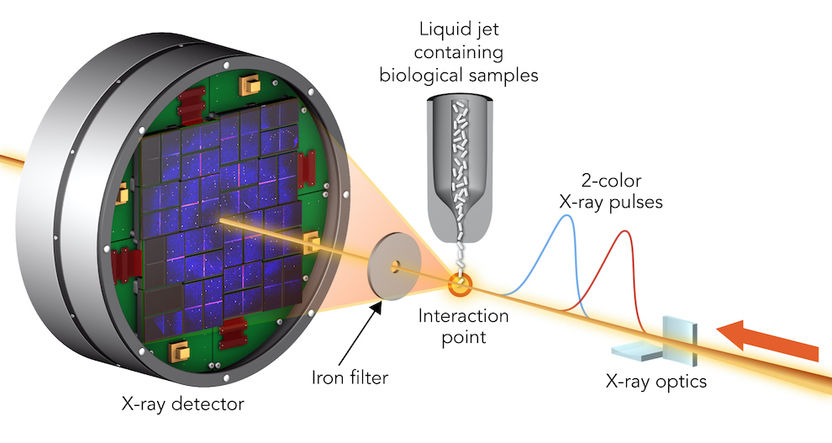
Two colour technique reveals how X-ray lasers damage biomolecules - Step to a fuller understanding of how X-ray flashes modify the structure of proteins

QIAGEN acquires Genoox - "As part of QIAGEN, we can together drive the next wave of precision medicine"
D-Cycloserine Reduces Cocaine-Seeking Behavior in "Addicted" Mice - Antibiotic that appears to control phobias may also be useful in treating addiction
Thermo Fisher Scientific Forms Consortium to Drive Immunotherapy Research Across Europe
Aeras awarded €11.7 million ($16 million) grant from Dutch government

Thermal microscopy of single cells

Using barcodes to trace cell development - Method will facilitate whole new insights into the development of various tissues as well as cancer
Merck Millipore offers quick tests for EHEC in food - Easy to use detection for food manufacturers and researchers
One Year of GATTEX(TM) Therapy Safely Reduces Parenteral Nutrition Dependence for Patients with Short Bowel Syndrome - Results Presented at American College of Gastroenterology Annual Meeting Show Majority of Responders Continued to Benefit from GATTEX in Phase 3-Extension Study