To use all functions of this page, please activate cookies in your browser.
my.bionity.com
With an accout for my.bionity.com you can always see everything at a glance – and you can configure your own website and individual newsletter.
- My watch list
- My saved searches
- My saved topics
- My newsletter
Consortium lead by Prophylix Pharma AS receives up to €6 M in EU-funding
The EU grant is for development of a prophylactic treatment to prevent severe bleeding and death in newborns caused by Fetal/Neonatal Alloimmune Trombocytopenia
09-05-2012: Prophylix Pharma AS announced that its project proposal for developing a new therapy to prevent Fetal/Neonatal Alloimmune Trombocytopenia (FNAIT) has been favorably evaluated by the EU Commission and will receive up to €6 million in funding under the Seventh Framework Programme (FP7-HEALTH). The project with the acronym PROFNAIT will be carried out by a consortium consisting of academic and commercial organizations from Norway, Sweden, Denmark and Germany.
FNAIT is a rare but potentially very serious condition that occurs in about 1 out of 2,000 pregnancies. FNAIT is most commonly caused by incompatibility between mother and foetus for the Human Platelet Antigen 1a (HPA-1a). If a mother is negative for the HPA-1a antigen, she may develop antibodies against HPA-1a antigen from her foetus. Transferral of these antibodies to the foetus can destroy the foetus’ blood platelets and increase the risk of severe and potentially fatal bleeding. Currently no satisfactory preventive measures or treatment exist.
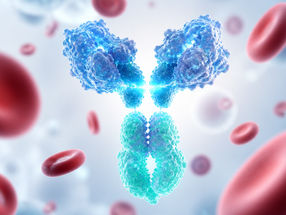
The new prophylactic therapy consists of a so-called hyperimmune - a specific IgG antibody fraction isolated from human plasma of rare donors who are carrying antibodies against the HPA-1a antigen. The objective of the PROFNAIT consortium is to secure sufficient plasma to manufacture the hyperimmune and to conduct clinical development of the product until registration. The plasma will be obtained from female donors that have given birth to a child suffering from FNAIT but also women who are known to be immunized against HPA-1a, for example from screening programmes, are potential donors.
Contact / Request information
Request further information free of charge:
Watchlist
This is where you can add this news to your personal favourites
- 1Pro Bono Bio Launches Flexiseq: A Novel Approach to the Treatment of Osteoarthritis
- 2Rosetta Resolver® Gene Expression Data Analysis System licensed by Aventis Pharmaceuticals, Inc.
- 3Vivacta Initiates Development of Point of Care Test for Vitamin D
- 4Pharma’s New Hero: Supergenerics Save Money and Improve Drugs
- 5A light switch inside the brain
- 6Researchers divide enzyme to conquer genetic puzzle
- 7New study confirms fungal infection of the foot is a risk factor for bacterial tissue infection of the leg
- 8Pharmexa A/S sells Pharmexa-Epimmune to the Korean company VaxOnco, Inc.
- 9Merck & Co., Inc. Opens Asia Pacific Regional Headquarters in Singapore
- 10Bayer’s Novel Anticoagulant Xarelto now also Approved in the EU
- Malvern Instruments announces global agreement with Proveris Scientific
- Evonik selects OPX Biotechnologies for joint development of bio-based chemicals
- Oxford BioMedica Announces Lentiviral Vector Development and Manufacturing C ...
- Belfer Institute and Evotec establish collaboration in oncology
- BRAIN-led industrial NatLifE 2020 innovation alliance started after receipt ...

- More than 97% of Pronova’s shareholders accept BASF’s offer for Pronova BioPharma

- Elacytarabine in combination with idarubicin shows promising efficacy in Phase II trial in acute myeloid leukaemia
- Clavis Pharma completes patient recruitment in Phase III study with elacytarabine in patients with acute myeloid leukaemia
- Clavis Pharma announces negative outcome of pivotal LEAP Trial with CP-4126 in Patients with Metastatic Pancreatic Cancer
- Algeta initiates new R&D program to investigate a Targeted Thorium Conjugate (TTC) against hematological cancers