Peter H. Seeberger is awarded the Liebig Medal
Outstanding achievements in the field of carbohydrate chemistry
Advertisement


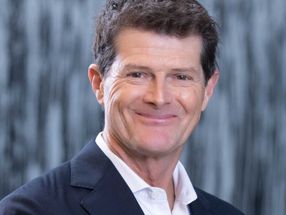
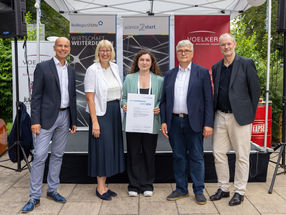
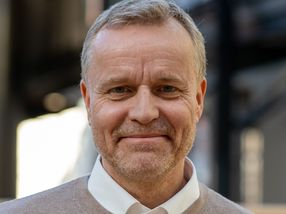
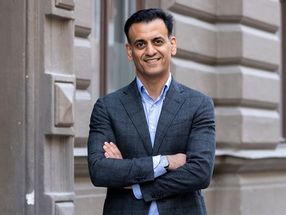
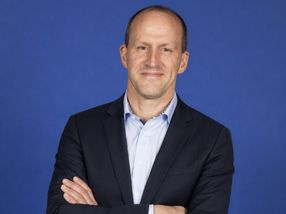
Prof. Peter H. Seeberger, Executive Director at the Max Planck Institute of Colloids and Interfaces in Potsdam, has been awarded the Liebig Medal by the German Chemical Society (GDCh) for his significant contributions to the field of carbohydrate chemistry. The award, worth 7,500 euros, recognises outstanding achievements across the entire field of chemistry. The award ceremony took place on 19 September 2026 as part of the 134th Assembly of the Society of German Natural Scientists and Physicians (GDNÄ) in Bremen.
Seeberger’s research focuses on the chemistry and biology of carbohydrates – complex sugar molecules that perform numerous functions in biological systems. Among other things, they are involved in cell recognition and communication and play an important role in immune responses and infections. A key focus of his work is the development of methods for the targeted synthesis and investigation of complex carbohydrate structures.
His work on the automated synthesis, assembly and sequencing of polysaccharides, as well as on the imaging of individual polysaccharides, is particularly groundbreaking. These methods have laid important foundations for molecular glycobiology, which studies the functions of carbohydrates and sugar-based biomolecules in biological systems.
The work of his research group has, amongst other things, contributed to the development of new vaccines, diagnostics and therapeutics, and has opened up new possibilities for the synthesis of active substances.
Peter H. Seeberger has been Director at the Max Planck Institute of Colloids and Interfaces since 2009, where he heads the ‘Biomolecular Systems’ department. He is a professor at the Free University of Berlin. Since 2021, he has been Vice-President of the German Research Foundation (DFG) and, since 2025, Scientific Director of the Centre for the Transformation of Chemistry (CTC) gGmbH. He has received numerous awards for his scientific work, including the Körber Prize, the Stifterverband Science Prize and the Emil Fischer Medal from the German Chemical Society (GDCh). He is a member of the German National Academy of Sciences Leopoldina, as well as the Berlin-Brandenburg Academy of Sciences and Humanities and the Saxon Academy of Sciences.


Other news from the department people