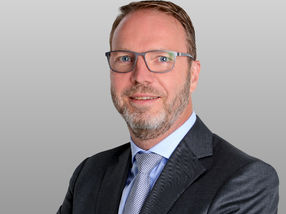
Dr. Jens Tuischer Takes Over as CEO of Daiichi Sankyo Germany
"Germany is an important market for Daiichi Sankyo with great potential."
Advertisement


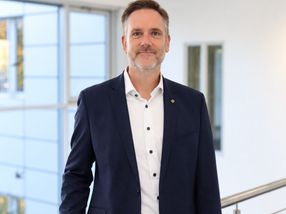
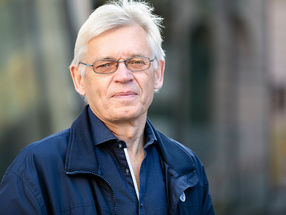
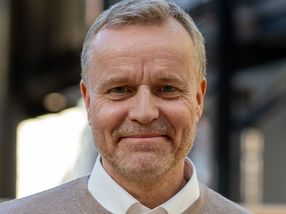
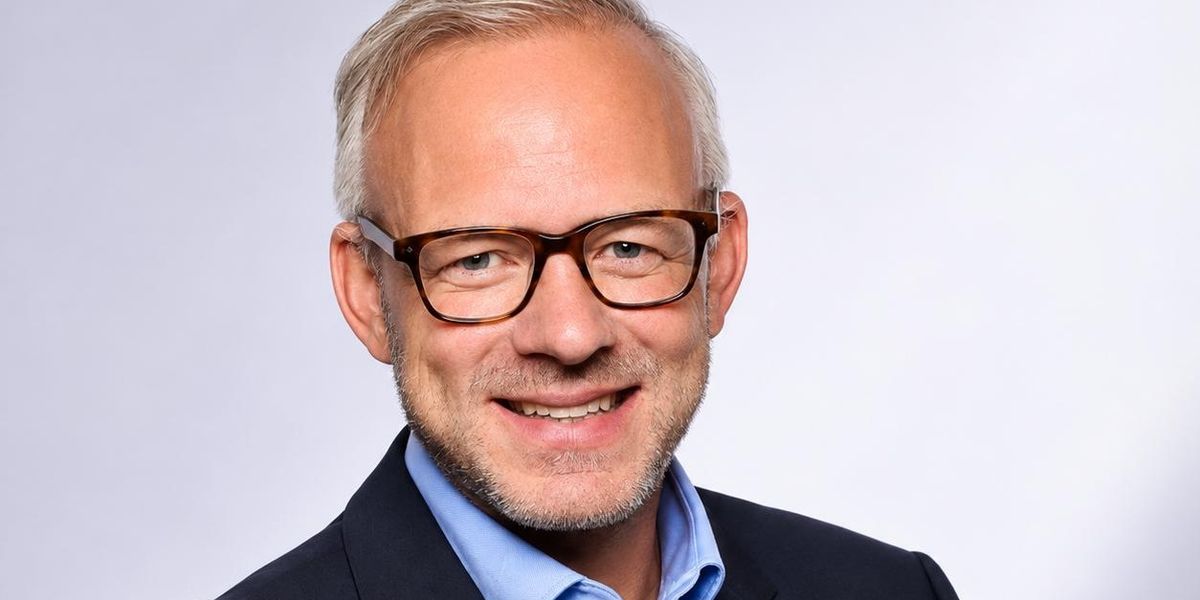
Dr. Jens Tuischer assumed the role of Managing Director of Daiichi Sankyo Deutschland GmbH on November 1. He succeeds Benoit Creveau, who is leaving the company after more than four years at the helm of the German organization. With Tuischer, an experienced manager is taking the helm who is familiar with both the German organization and Daiichi Sankyo’s international business through various leadership roles.
Dr. Jens Tuischer has many years of experience in the pharmaceutical industry, particularly in oncology. Most recently, he headed Daiichi Sankyo’s Oncology Division in Germany. Prior to that, as Vice President, he was responsible for the company’s commercial oncology business in Europe and Canada. In this role, he played a key role in the strategic development and marketing of innovative cancer therapies in international markets.
“Daiichi Sankyo has undergone dynamic growth in recent years. We have a promising pipeline, innovative technologies, and, above all, highly dedicated employees,” says Dr. Jens Tuischer. “I look forward to shaping the future of the company in Germany together with our team. Our mission is to make medical innovations accessible to patients while contributing to an efficient and sustainable healthcare system.”

Medical Expertise Meets International Management Experience
Dr. Jens Tuischer studied medicine in Heidelberg and Berlin and began his professional career as a physician at Charité – Universitätsmedizin Berlin. After transitioning to management consulting, he began his career in the pharmaceutical industry, where he held various national and international leadership positions over many years.
His professional focus was particularly on the strategic development of drug portfolios, the introduction of innovative therapies, and the leadership of international teams and business units. In addition to his medical training, he earned a master’s degree in International Healthcare Management, Economics, and Policy from the SDA Bocconi School of Management in Milan and completed the Advanced Management Program at the University of Chicago Booth School of Business.
With this combination of medical expertise, international management experience, and knowledge of the German healthcare system, Tuischer brings a comprehensive set of qualifications to the further development of Daiichi Sankyo Germany.
Focus on Innovation, Growth, and Germany as a Business Location
As Managing Director, Dr. Jens Tuischer is responsible for the strategic development of the German organization. The focus is on the oncology and cardiovascular disease business areas, as well as on strengthening Daiichi Sankyo’s position as a research-based pharmaceutical company.
The production and development site in Pfaffenhofen an der Ilm also plays a key role. There, Daiichi Sankyo will invest approximately one billion euros by 2030 in expanding its capacities and in new technologies, particularly for the manufacture of innovative cancer therapies based on antibody-drug conjugates (ADCs).
“Germany is an important location for Daiichi Sankyo with great potential. With our strengths in science and technology, we are contributing to medical innovation and patient care,” said Tuischer. “We intend to further expand these capabilities while intensifying our dialogue with our partners in the healthcare sector and in politics.”
Acknowledgments to Benoit Creveau
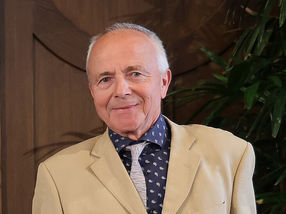
Dr. Jens Tuischer succeeds Benoit Creveau, who led the German organization through a period of significant change and strategic development. During his tenure, he successfully grew Daiichi Sankyo’s business and implemented key transformation processes.
Daiichi Sankyo thanks Benoit Creveau for his dedication and his contribution to the company’s continued growth in Germany.
Note: This article has been translated using a computer system without human intervention. LUMITOS offers these automatic translations to present a wider range of current news. Since this article has been translated with automatic translation, it is possible that it contains errors in vocabulary, syntax or grammar. The original article in German can be found here.


Other news from the department people