The Linde Group and Algenol Biofuels agree to cooperate in CO2 and O2 management for biofuel production from algae
Advertisement


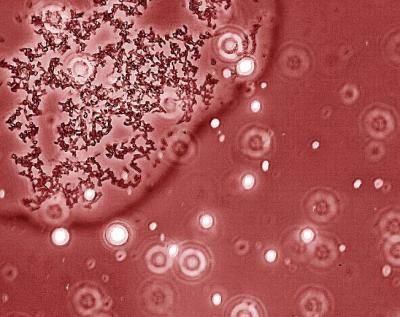
The Linde Group and the US company Algenol biofuels LLC have agreed to collaborate in a joint development project in order to identify the optimum management of carbon dioxide (CO2) and oxygen (O2) for Algenol's unique algae and photobioreactor technology. This cooperation will see the companies join forces to develop cost-efficient technologies that capture, store, transport and supply CO2 for Algenol's proprietary process for the production of third-generation (3G) biofuels out of CO2, salt water and algae, as well as remove oxygen from the photobioreactor.
"Producing fuels or chemicals from algae is a promising way of reducing greenhouse gas emissions," said Dr Aldo Belloni, member of the Executive Board of Linde AG.
The research collaboration builds on a process developed by Algenol Biofuels and other partners. This method utilizes algae, CO2, salt water and sunlight to directly produce 3G bioethanol and other 3G biofuels or biochemicals in photobioreactors. This technology promises numerous benefits. The production facilities, for example, do not need to be built on land required for food or feed production. Furthermore, the procedure does not consume fresh water nor does it involve costly steps for processing or harvesting and storing biomass. A further key benefit is that the algae also consume CO2 from fossil fuel sources (combustion flue gases from coal-fired power plants, for example). The process is almost entirely powered by the sun.


Other news from the department business & finance















Most read news









More news from our other portals









Last viewed contents

RNA Healer receives around one million euros for the development of a liver fibrosis therapy - MHH project wins start-up funding competition organised by Lower Saxony research incubator Institute for Biomedical Translation Lower Saxony.

Development of novel proteasome inhibitors for treating cancer, inflammatory and autoimmune disorders - Launch of Start-up QLi5 Therapeutics
Biomass for biofuels, biochemicals will more than triple to 3.7 billion tons in 2030

Thianthrenium chemistry allows for reactivity switch of a nucleophilic amino acid into a versatile intermediate - Useful and broadly applicable tool in the field of chemical biology
U.S. Department Of Defense selects Applied Biosystems for development of instrument system to identify infectious diseases
NLS Pharma acquires a portfolio of strategic patents - Critical step in the novel development of a potential non-amphetaminic stimulant for ADHD

Boehringer Ingelheim announces change in the company management - Harsha Deshmukh has been appointed as a member of the Executive Board with responsibility for IT and Global Business Services with effect from February 1, 2026
Midatech and Immunotope Form Joint Venture, Syntara LLC, for the Development of Immune Therapies
Singapore Launches Infrastructure for Metrology in Chemistry (MiC)
Portable and precise gas sensor could monitor pollution and detect disease
BIOTECON Diagnostics GmbH and Xiril AG start worldwide sales cooperation
