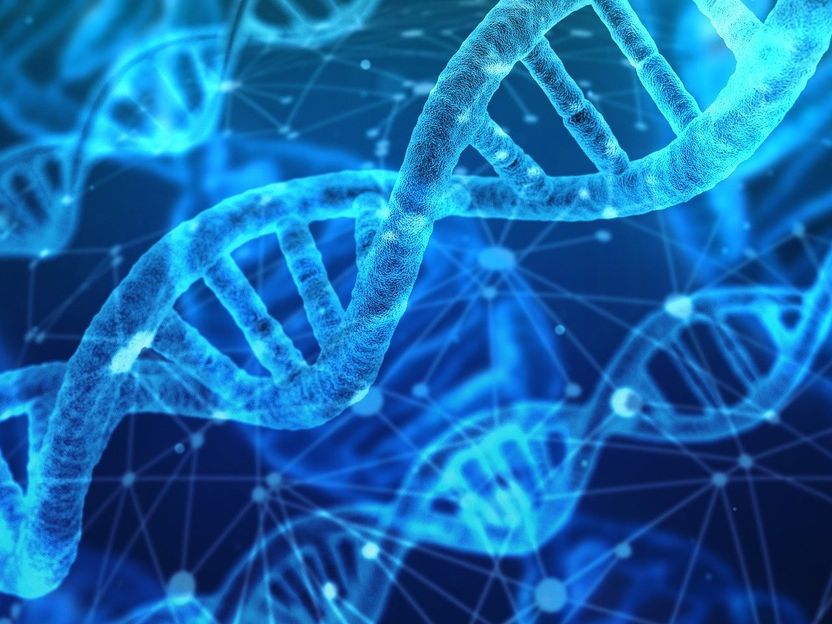
Self-healing electronics out of living cells?
Shock to bacteria activates nature's electrical grid
Advertisement


The ocean floor and the ground beneath our feet are riddled with tiny nanowires -- 1/100,000th the width of a human hair -- created by billions of bacteria that can generate electric currents from organic waste. In new research published Aug. 17 in the journal Nature Chemical Biology, Yale researchers describe how this hidden power grid could be activated with a short jolt of electric field.
Symbolic image
pixabay.com
"We live in an electric world," said Nikhil Malvankar, assistant professor of molecular biophysics and biochemistry at the Microbial Science Institute at Yale's West Campus and senior author of the paper. "The strength and conductivity of these nanowires, coupled with the ability of bacteria to repair themselves, could help create durable, self-healing, electronics out of living cells."
In environments without oxygen, the bacterium Geobacter "breathe" by projecting tiny protein filaments called nanowires into bacterial communities known as biofilms to dispose of excess electrons resulting from the conversion of organic waste to electricity. But it has remained a mystery how these bacteria, which stack themselves on top of each other like apartment high-rises, send electrons over distances 100-times their size.
In previous research, the team showed that nanowires comprised of a protein called OmcS contained tiny metallic building blocks, or hemes, throughout their length. OmcS transmits electricity. The new study found that when stimulated by an electric field, the bacteria produce previously unknown nanowires of a different, more efficient protein, OmcZ. It transmits electricity 1,000 times more efficiently than OmcS.
Sibel Ebru Yalcin, a research scientist at Yale's Microbial Sciences Institute, led this work with graduate students J. Patrick O'Brien, Yangqi Gu and Krystle Reiss.
"Surprisingly, nanowires can withstand and function in extreme acidic environments where most proteins break down," Yalcin noted. "This provides a unique opportunity to develop novel sensors and highly resilient materials."
Original publication


Other news from the department science















Most read news









More news from our other portals















Last viewed contents
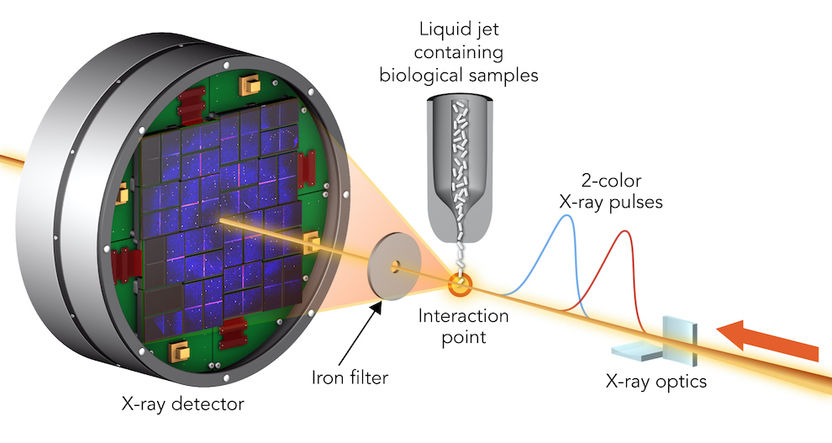
Two colour technique reveals how X-ray lasers damage biomolecules - Step to a fuller understanding of how X-ray flashes modify the structure of proteins

QIAGEN acquires Genoox - "As part of QIAGEN, we can together drive the next wave of precision medicine"
D-Cycloserine Reduces Cocaine-Seeking Behavior in "Addicted" Mice - Antibiotic that appears to control phobias may also be useful in treating addiction
Thermo Fisher Scientific Forms Consortium to Drive Immunotherapy Research Across Europe
Aeras awarded €11.7 million ($16 million) grant from Dutch government
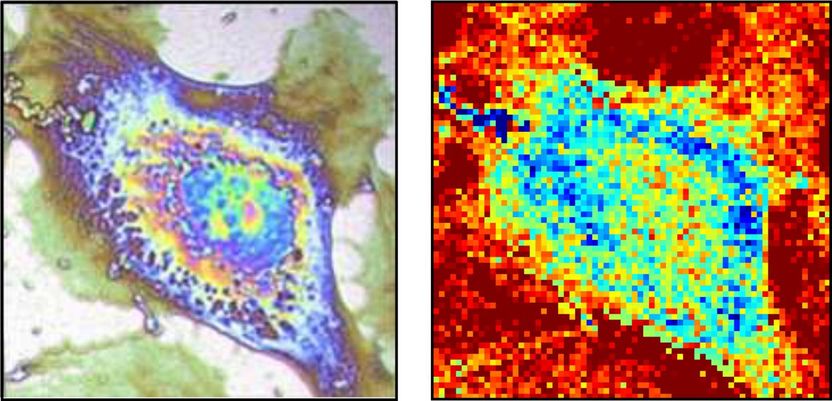
Thermal microscopy of single cells
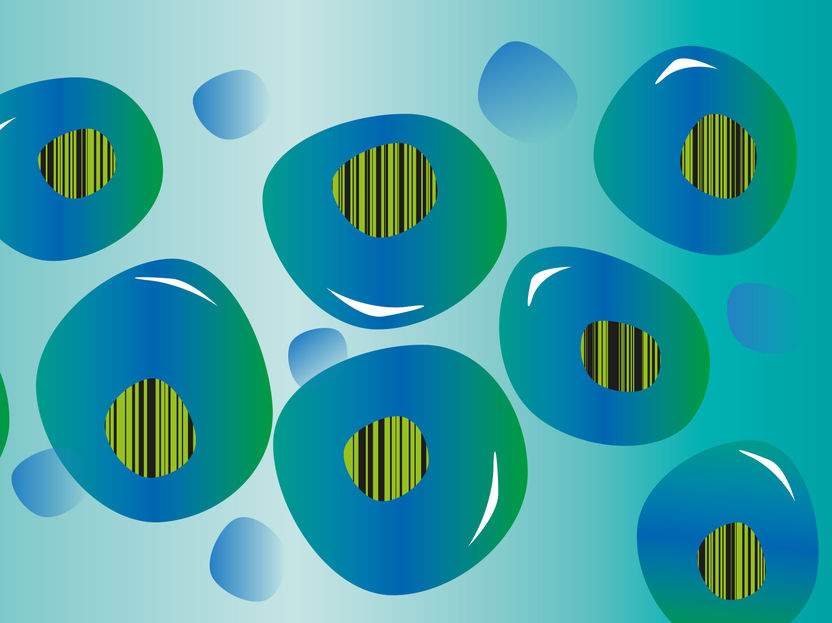
Using barcodes to trace cell development - Method will facilitate whole new insights into the development of various tissues as well as cancer
Merck Millipore offers quick tests for EHEC in food - Easy to use detection for food manufacturers and researchers
One Year of GATTEX(TM) Therapy Safely Reduces Parenteral Nutrition Dependence for Patients with Short Bowel Syndrome - Results Presented at American College of Gastroenterology Annual Meeting Show Majority of Responders Continued to Benefit from GATTEX in Phase 3-Extension Study