
Leibniz-Institut für Naturstoff-Forschung und Infektionsbiologie

Leibniz-Institut für Naturstoff-Forschung und Infektionsbiologie e.V. - Hans-Knöll-Institut (HKI)
About Leibniz-Institut für Naturstoff-Forschung und Infektionsbiologie
The Leibniz Institute for Natural Product Research and Infection Biology - Hans Knöll Institute (HKI) - was founded in 1992 and became part of the Leibniz Association in 2003. Research at the HKI focuses on infection biology, particularly with regard to pathogenic fungi. Researchers explore the molecular mechanisms of disease development and their interactions with the human immune system. Moreover, they investigate and optimize the anti-fungal activity of natural substances isolated from microorganisms.
Facts about Leibniz-Institut für Naturstoff-Forschung und Infektionsbiologie
Facts about Leibniz-Institut für Naturstoff-Forschung und Infektionsbiologie
- Industry : Pharma
News about Leibniz-Institut für Naturstoff-Forschung und Infektionsbiologie



Here you will find Leibniz-Institut für Naturstoff-Forschung und Infektionsbiologie e.V. - Hans-Knöll-Institut (HKI)
Last viewed contents
Sartorius: Sales revenue to rise to around 4 billion euros by 2025 - Sales to rise through organic growth and acquisitions
Galapagos receives €7.4 M milestone in arthritis alliance with GlaxoSmithKline
Study shows how carbon nanotubes can affect lining of the lungs

Artificial cells and salad dressing - Researchers have made important discoveries regarding the behavior of a synthetic molecular oscillator, which could help create artificial cells
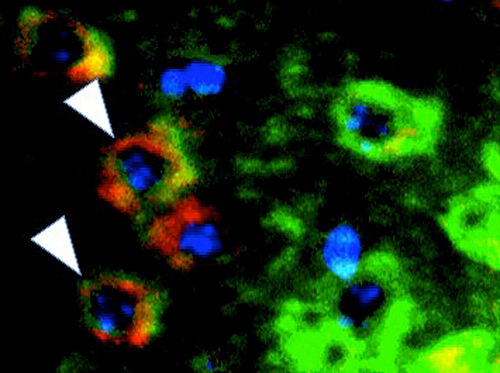
Multiple sclerosis: T cells as serial killers
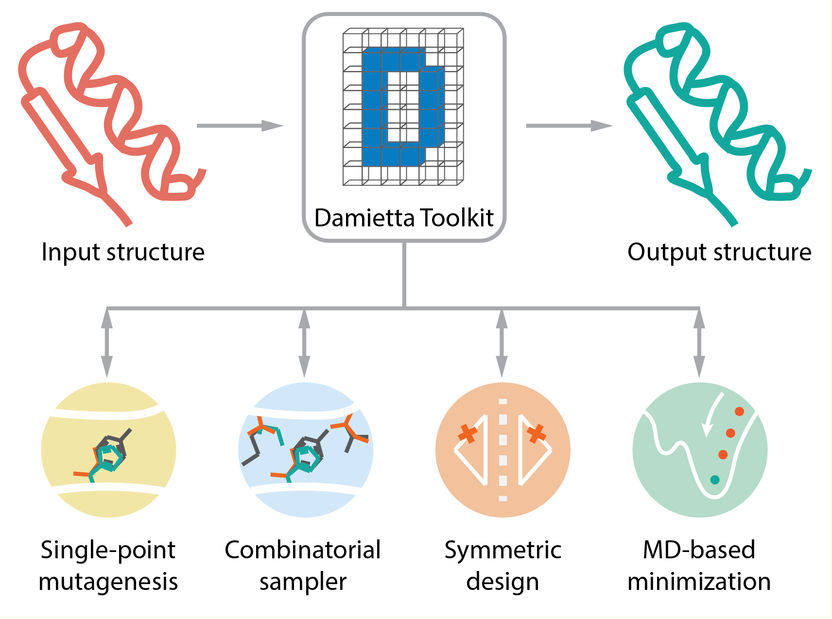
Breakthrough in protein research: Toolkit makes protein design faster and more accessible - What used to take weeks can now be completed in a day or less

Coronavirus vaccination: body builds immune memory in organs - Memory cells in the liver, kidneys, and lungs
