Domainex Collaborates with Sigma-Aldrich to Advance the Study of Epigenetic Proteins Involved in Cancer and Stem Cell Biology
Advertisement


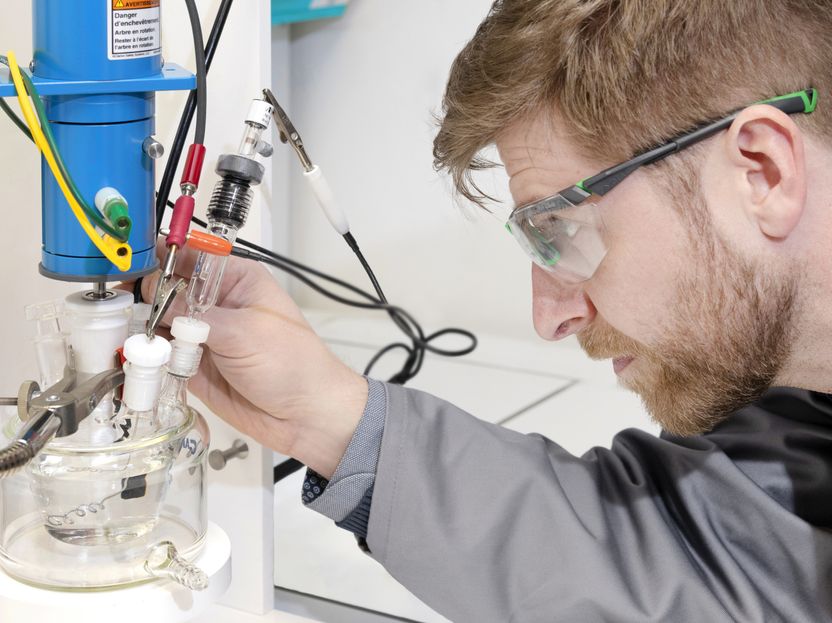
Domainex Ltd announced a collaboration with Sigma-Aldrich that will provide essential tools, including biochemical assays and monoclonal antibodies, for the study of proteins involved in the rapidly developing field of epigenetics. These epigenetic proteins regulate DNA expression and can be critical to cancer and stem cell biology research. Funding from the UK Government-backed Technology Strategy Board will support this work.
Under the collaboration, Domainex will use its proprietary Combinatorial Domain Hunting (CDH) technology, which enables researchers to clone and express challenging proteins, to produce soluble domains of a number of proteins that have key roles in epigenetics. Domainex will use those proteins to construct biochemical assays for the target enzymes, and Sigma-Aldrich will use the proteins as antigens to raise specific monoclonal antibodies. The assays and monoclonal antibodies, which will be distributed by Sigma-Aldrich, will be used by researchers to identify the target proteins and allow their function to be characterized and studied in detail.
Dr. Eddy Littler, CEO of Domainex, said, “The Domainex research pipeline contains several projects aimed at proteins involved in epigenetics and cancer. With the support of the Technology Strategy Board we will be able to develop useful biochemical assays for these targets. We are particularly excited about our collaboration with Sigma-Aldrich, as it is a leading company in the development of monoclonal antibodies for commercial use. It is very rewarding to be able to make a contribution to the study of proteins involved in epigenetics and disease.”


Other news from the department business & finance




















Most read news










More news from our other portals















See the theme worlds for related content
Topic world Antibodies
Antibodies are specialized molecules of our immune system that can specifically recognize and neutralize pathogens or foreign substances. Antibody research in biotech and pharma has recognized this natural defense potential and is working intensively to make it therapeutically useful. From monoclonal antibodies used against cancer or autoimmune diseases to antibody-drug conjugates that specifically transport drugs to disease cells - the possibilities are enormous
Topic world Antibodies
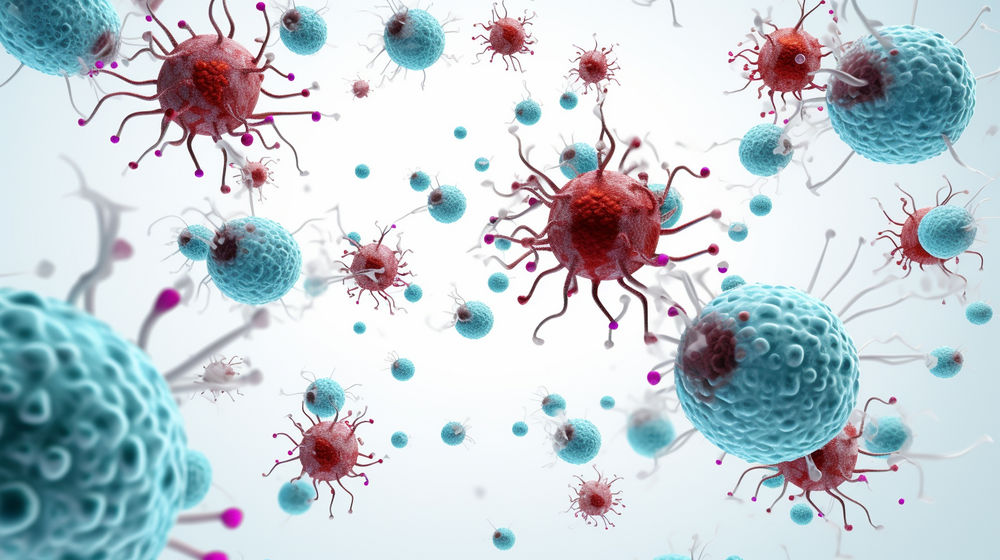
Antibodies are specialized molecules of our immune system that can specifically recognize and neutralize pathogens or foreign substances. Antibody research in biotech and pharma has recognized this natural defense potential and is working intensively to make it therapeutically useful. From monoclonal antibodies used against cancer or autoimmune diseases to antibody-drug conjugates that specifically transport drugs to disease cells - the possibilities are enormous
Last viewed contents
4SC strengthens patent protection for its epigenetic cancer drug in China

ViGeneron closes of series A financing to drive development of next generation gene therapy pipeline
Heptares enters a research and drug discovery collaboration with Juntendo University
Novasep and instrAction enter a worldwide strategic alliance for non-chiral chromatography
Kedrion and ProMetic Form Strategic Alliance to Develop Orphan Drugs from Plasma
Alnylam and PBL Sign Licence Agreement for Baulcombe & Hamilton RNAi patent
QIAGEN and ActiveSight Sign Co-Marketing Agreement Targeting Protein Crystallography
U.S. Development Partner Quest Diagnostics Completes Clinical Development of Septin9 Colorectal Cancer Blood Test
Global Pharmaceutical companies expect hard price competition in the rising Biosimilars segment - Bi-annual survey among more than 80 executives from globally active pharmaceutical companies based in 16 countries and spread over four continents
Metobolomics uncovers key indicators of nonalcoholic fatty liver disease - Impaired oxidation in liver associated with progression to NASH