Alternatives to Animal Testing: What Human Organ Models Can Do Today
At TU Berlin, he developed liver and lung models as a foundation for animal-free biomedicine
Advertisement


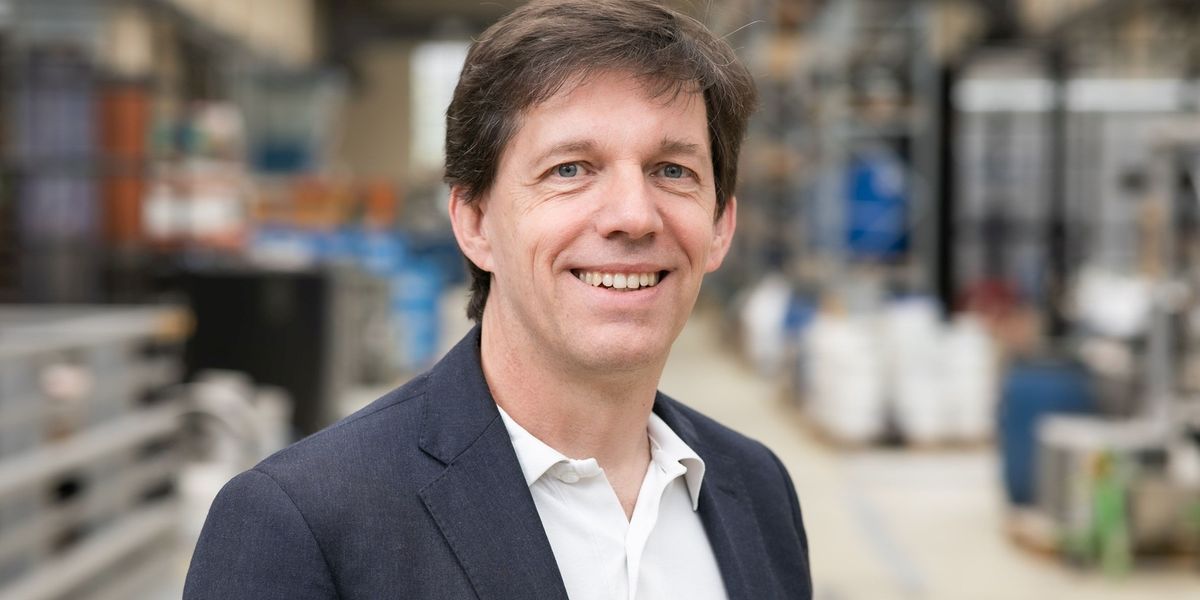
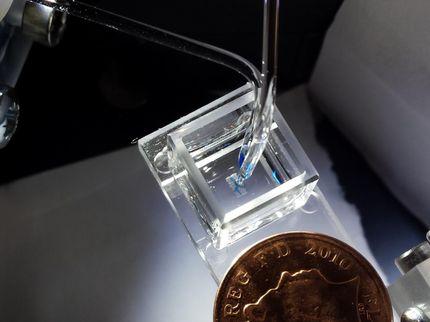
Liver and lung models made from human cells make it possible to study in the laboratory whether active substances damage the liver or how respiratory viruses replicate. The team led by TU Berlin biochemist Prof. Dr. Jens Kurreck has developed and tested such models using 3D bioprinting—thereby laying a foundation that other research groups can build upon.
The models represent a contribution by the Technical University of Berlin to the Berlin Einstein Center 3R (EC3R). The consortium is working to replace animal testing, reduce the number of laboratory animals, and minimize their suffering (Replace, Reduce, Refine). At the end of 2026, after six years, the center will reach the maximum funding period. To mark this occasion, Kurreck, as co-spokesperson, takes stock of the progress made so far.
His models have become “significantly more complex and, as a result, more physiologically relevant. They depict human physiology and disease states much more accurately than they did back then,” Kurreck emphasizes. In addition to the further development of the organ models, he counts the exchange between the research groups among the Einstein Center’s milestones. For example, new collaborations emerged from mutual lab visits by doctoral students.
One example of how other teams can build on these models is the research at the Einstein Center for Early Disease Interception, of which Kurreck is a co-spokesperson. There, additional research groups plan to work with the models developed at TU Berlin. Through collaborations within the center, Kurreck aims to investigate processes at the single-cell level in the future.
Other projects focus on the development of the models themselves. “In our own research, we’re continuing to work on making the models even more physiologically relevant,” explains Kurreck. His team aims to simulate immune responses and produce the models entirely without animal-derived components. In addition, future work will focus more heavily on the interaction between multiple organs.
Note: This article has been translated using a computer system without human intervention. LUMITOS offers these automatic translations to present a wider range of current news. Since this article has been translated with automatic translation, it is possible that it contains errors in vocabulary, syntax or grammar. The original article in German can be found here.


Other news from the department science