Helmholtz Munich Spin-Off: New Approach to Type 2 Diabetes Moves Towards Clinical Testing
Collaborative project with a total budget of nearly €10 million

Advertisement


Viacure Therapeutics, a spin-off from Helmholtz Munich, is preparing a new antibody therapy for type 2 diabetes for clinical testing. The therapy aims to protect insulin-producing beta cells and restore their function. An exclusive licensing agreement with Helmholtz Munich and a collaborative project with a total budget of nearly €10 million lay the groundwork for the next stages of development. The Free State of Saxony and the European Union are funding 80 percent of the project.
In type 2 diabetes, the body’s cells become less responsive to insulin. The insulin-producing beta cells in the pancreas therefore need to supply more insulin. As the disease progresses, beta cells can gradually lose their function or be lost altogether, leaving the body unable to supply enough insulin. Viacure Therapeutics is targeting beta cells directly. Its antibody therapy aims to preserve or regenerate beta cells and their function, supporting the body’s ability to regulate blood glucose.
Inceptor at the Center of Therapy Development
The new therapeutic approach focuses on Inceptor, a receptor discovered by a research team led by Prof. Heiko Lickert, Director of the Institute of Diabetes and Regeneration Research at Helmholtz Munich. Inceptor dampens insulin signaling in beta cells and directs insulin for degradation within the cell. Antibodies that block Inceptor are designed to modulate these processes. In preclinical studies, blocking Inceptor increased insulin sensitivity and insulin content in beta cells and markedly improved their regulated insulin release and survival under stress associated with type 2 diabetes. Clinical studies are needed to determine whether the approach is safe and effective in people with type 2 diabetes.
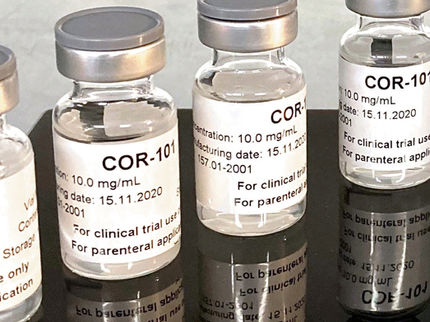
The consortium coordinated by Viacure Therapeutics aims to advance the antibody candidate through preclinical development and lay the groundwork for a first study in humans. The project has a total budget of nearly €10 million, with 80 percent funded by the Free State of Saxony and the European Union.
“This enables us to take the next step from scientific discovery toward a potential therapeutic application,” says Lickert, who is also Scientific Lead at Viacure Therapeutics. “To do so, we need to manufacture the antibody to the required quality standards and carefully assess its safety.”
For Nikolas Uez, CEO and co-founder of Viacure Therapeutics, this marks the start of the next phase of development. “Funding from the Free State of Saxony and the European Union is a strong signal for Saxony’s biotechnology sector and for Viacure Therapeutics as a young, research-driven company. It enables us to build specialized expertise in Saxony and, together with our partners Fraunhofer IZI in Leipzig and CUP Laboratorien Dr. Freitag in Radeberg, advance an innovative therapeutic approach to the point where it is ready for clinical testing. We believe this work has the potential to make an impact well beyond the region.”
Wolfgang Burger, CTO of Viacure Therapeutics, highlights the importance of the funding for preclinical development. “This funding is a major milestone for Viacure Therapeutics. It allows us, as a young company, to take responsibility for preclinical development and advance our therapeutic approach from Saxony together with strong partners.”
From Discovery to Clinical Testing
The development builds on many years of basic research at Helmholtz Munich. Lickert’s team first described Inceptor in 2021 and subsequently investigated its role in beta-cell function. The founding of Viacure in 2023 marked the start of efforts to translate these findings into an antibody therapy. The licensing agreement signed on September 23, 2026, grants Viacure and its subsidiary Viacure Therapeutics, founded in 2025, exclusive rights to Helmholtz Munich’s Inceptor-related patent portfolio.
“Viacure Therapeutics shows how basic research can give rise to a concrete project to develop a new therapy,” says Prof. Martin Hrabě de Angelis, Scientific Managing Director and Spokesperson of the Helmholtz Munich Management Board (acting). “As a research centre, we provide the scientific foundation and support the transfer of our findings through spin-offs and the licensing of our technologies. Our goal is for new insights to one day improve treatment for patients.”
The consortium coordinated by Viacure Therapeutics includes the Fraunhofer Institute for Cell Therapy and Immunology IZI in Leipzig and CUP Laboratorien Dr. Freitag GmbH (CUP Contract Labs) in Radeberg. The partners aim to complete preclinical development of the antibody candidate by the end of 2028 and lay the groundwork for a first clinical study.
The collaborative project coordinated by Viacure Therapeutics will run for two and a half years. Funding is provided through the Saxon State Ministry for Economic Affairs, Labor, Energy and Climate Protection (SMWA) under the EU regulation establishing the Strategic Technologies for Europe Platform (STEP). The funds come from the European Regional Development Fund (ERDF). Through STEP, the EU supports the development of strategically important technologies, including biotechnology.


Other news from the department business & finance












Most read news











More news from our other portals













Something is happening in the life science industry ...
This is what true pioneering spirit looks like: Plenty of innovative start-ups are bringing fresh ideas, lifeblood and entrepreneurial spirit to change tomorrow's world for the better. Immerse yourself in the world of these young companies and take the opportunity to get in touch with the founders.
See the theme worlds for related content
Topic world Antibodies
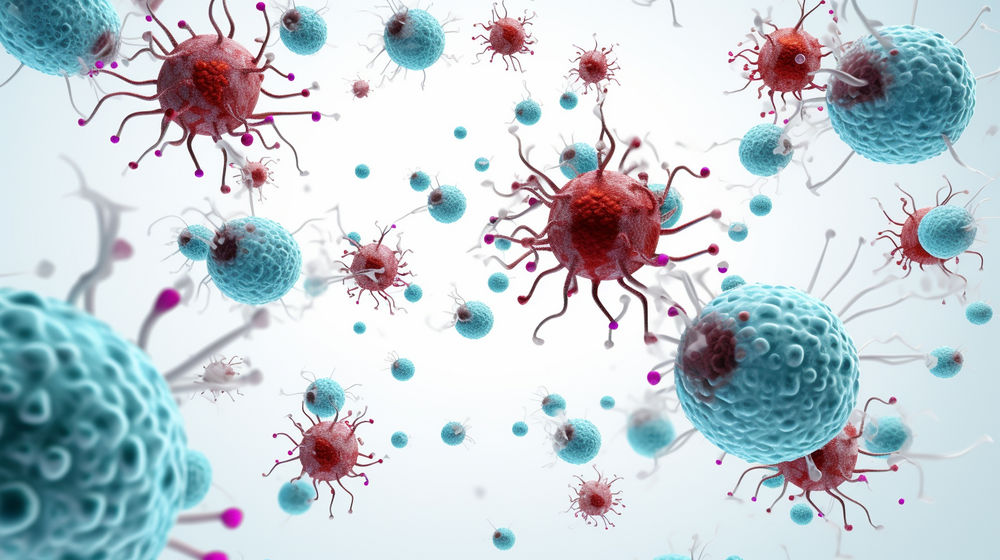
Antibodies are specialized molecules of our immune system that can specifically recognize and neutralize pathogens or foreign substances. Antibody research in biotech and pharma has recognized this natural defense potential and is working intensively to make it therapeutically useful. From monoclonal antibodies used against cancer or autoimmune diseases to antibody-drug conjugates that specifically transport drugs to disease cells - the possibilities are enormous
Topic world Antibodies
Antibodies are specialized molecules of our immune system that can specifically recognize and neutralize pathogens or foreign substances. Antibody research in biotech and pharma has recognized this natural defense potential and is working intensively to make it therapeutically useful. From monoclonal antibodies used against cancer or autoimmune diseases to antibody-drug conjugates that specifically transport drugs to disease cells - the possibilities are enormous