
European Molecular Biology Organization (EMBO)
About European Molecular Biology Organization
The European Molecular Biology Organization (EMBO) promotes excellence in molecular life sciences in Europe. Since 1964, leading scientists are elected annually to become EMBO Members based on proven excellence in research. Members number more than 1300 today with a further 80 associate members worldwide. Forty-five scientists from the EMBO membership have received the Nobel Prize. More than half of the EMBO Members are involved in guiding the execution of the many EMBO initiatives offered to life scientists and have a significant impact on the direction of European life sciences.
Facts about European Molecular Biology Organization
Facts about European Molecular Biology Organization
- Industry : Biology
News about European Molecular Biology Organization

Here you will find European Molecular Biology Organization (EMBO)
Last viewed contents

Software revolution for clinical trials - Health Tech Start-up Carelane Raises €800,000 in Pre-Seed Funding

Lipotype GmbH - Dresden, Germany
Actome GmbH - Freiburg, Germany
Children with rare, incurable brain disease improve after gene therapy
New findings on UF marine compound shows versatility, from anti-tumor agent to bone regeneration
U.S. Development Partner Quest Diagnostics Completes Clinical Development of Septin9 Colorectal Cancer Blood Test
Sustainable Chemistry Changemakers: The Road Ahead - INNOVERDA: From ISC3 Start-up of the Month to Innovation Driver in the French Pharmaceutical Industry
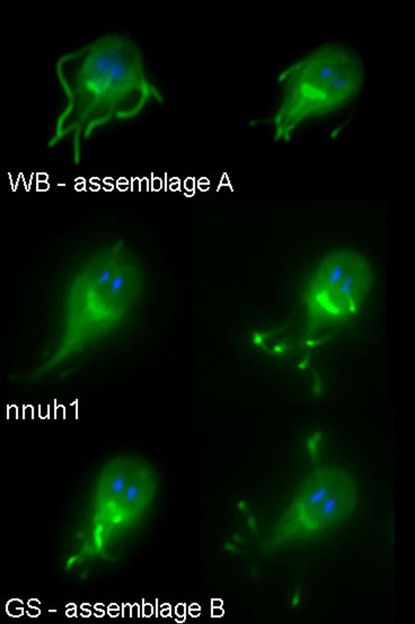
Parasite mimics human proteins to provide 'ready meals' from the gut

Start of construction of VEGA facility in Kuppenheim - Production, logistics and administration buildings are being built
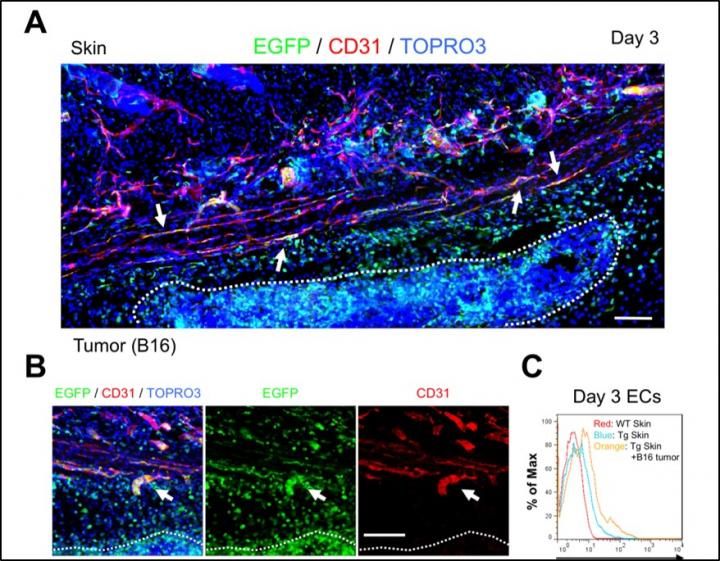
Biomarker helps identify 'window of opportunity' for cancer chemotherapy timing