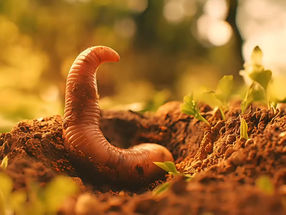
Why we must produce more food with less water
World Water Day 2012: ‘Water and food security’
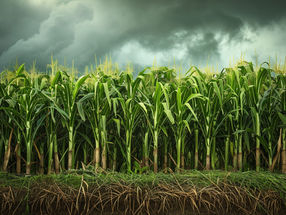
The world is thirsty because we are hungry,” notes the United Nations on World water Day. The world’s population reached 7 billion in 2011, and it is predicted to rise to at least 9 billion by 2050. More people living on our planet will require a more efficient use of dwindling natural resources, particularly water. EuropaBio underlines that agricultural biotechnology can help address the challenge of food security and water efficiency, also through the development of drought-resistant crops and other benefits, such as the possibility to implement low- / no-till farming that can help preserve soil moisture.
Climate change is increasing the potential for drought or excessive rainfall and flooding, which can both destroy crops, including in areas of Europe. Climate smart agriculture will be an essential part of addressing these challenges. Due in part to the pressure on natural resources, like water and land, and the effects of climate change, food prices will continue to experience volatility, raising concerns about food security. The EU has a responsibility to increase its agricultural productivity while using less water and other inputs, a goal that biotech crops can help achieve.
“To Europe, food security once meant feeding its own population. Now, however, we need to view food security in terms of our responsibility towards not only ourselves but the rest of the world,” remarked Carel du Marchie Sarvaas, Director of Green Biotechnology Europe.
“Numerous international organisations continue to emphasise that sustainable intensification is the way forward; we must produce more food while using natural resources more efficiently. Agricultural innovation undoubtedly has an important role to play in meeting these challenges,” he concluded.
Other news from the department politics & laws









Get the life science industry in your inbox
From now on, don't miss a thing: Our newsletter for biotechnology, pharma and life sciences brings you up to date every Tuesday and Thursday. The latest industry news, product highlights and innovations - compact and easy to understand in your inbox. Researched by us so you don't have to.