Verified
Cooling thermostats:
temperature control technology
Innovative temperature control technology with natural and synthetic refrigerants
LAUDA DR. R. WOBSER GMBH & CO. KG
Natural refrigerant solutions at a glance
Comparison of technological solutions at LAUDA
Guide to natural and synthetic refrigerants
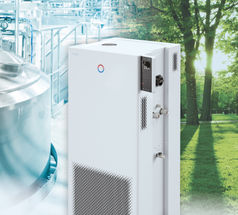
The optimum technology for your individual needs
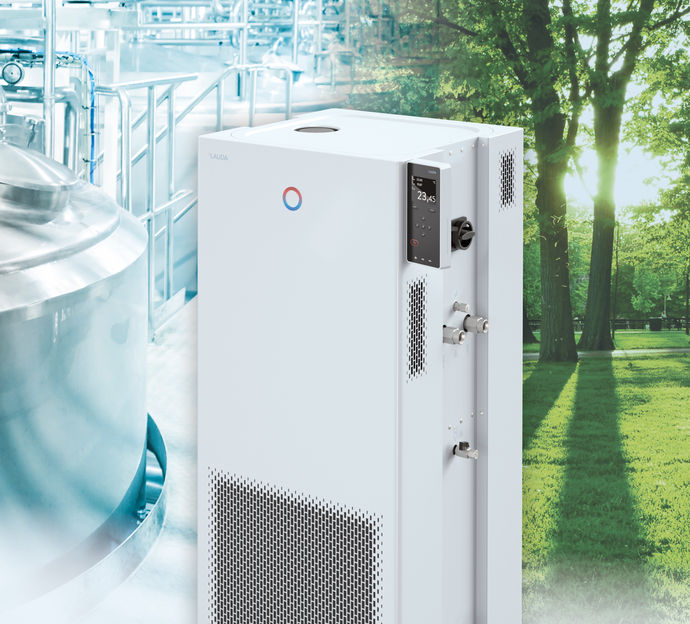
LAUDA is steadily expanding its portfolio of constant temperature equipment with natural refrigerants. After introducing the first LAUDA process thermostats to use CO₂ refrigerants, as well as LAUDA Universa bath thermostats, which run entirely on natural refrigerants, the world market leader in precise temperature control is now expanding its tried-and-tested Alpha, Integral, Ultracool, Microcool and Variocool product lines with new variants that use natural refrigerants.
Natural refrigerants as the strategic focus
The gradual reduction of fluorinated greenhouse gases (F-gases) through the European F-Gas Regulation and other international regulations creates a strong incentive to use technologies based on natural refrigerants. LAUDA started systematically transitioning its device portfolio and industrial systems engineering solutions years ago – and is now steadily continuing along this path with the comprehensive expansion of its portfolio.
While F-gases remain permitted in defined use cases, the transition to alternatives arises out of domestic and international agreements as well as LAUDA’s own ambitions. Two classes of refrigerant are used as a natural alternative:
A1 refrigerants such as CO₂ (R744): stable performance, especially energy efficient at temperatures below 0°C, suitable for applications with high cooling capacity requirements
A3 refrigerants such as propane (R290) or propene (R1270): universal, very low GWP value (Global Warming Potential), high energy efficiency, suitable for all temperature ranges, including under -50°C, equipped with integrated safety technology for larger quantities of refrigerant
Whatever the device category or individual requirements of the respective application, LAUDA always uses the most suitable refrigerant in its constant temperature equipment, to offer customers both the most cost- and energy-efficient solution.
Laboratory applications: Compact, efficient and suitable for air transport
For laboratory use, a compact range of bath thermostats, circulation chillers and process thermostats is available, based on high-performance natural A3 refrigerants like propane (R290). Thanks to their low refrigerant quantity of less than 100 g, these models are suitable for air transport and do not require any additional safety technology – making them usable worldwide without any special infrastructural requirements.
1
Powerful refrigeration technology with natural refrigerants
Request information about temperature control technology now
Cooling thermostats: temperature control technology
Innovative temperature control technology with natural and synthetic refrigerants